

Moulin à Vent revival
On a mission to inspire a new era of ocean conservation, environmental non-profit 'Once Was Lost' has launched a campaign to restore Jacques Cousteau's historic vessel, the Moulin à Vent. They spoke to Sails about the journey involved, and what’s ahead.
Written by Daniela Aroche
03 November 2025
Advertisement
Fuelled by the desire to preserve an impressive maritime legacy, the Florida-based organisation ‘Once Was Lost’ – focused on ocean plastic recycling and awareness – officially announced the ambitious project to restore Moulin à Vent via a Kickstarter campaign that aims to raise money to fund the project.
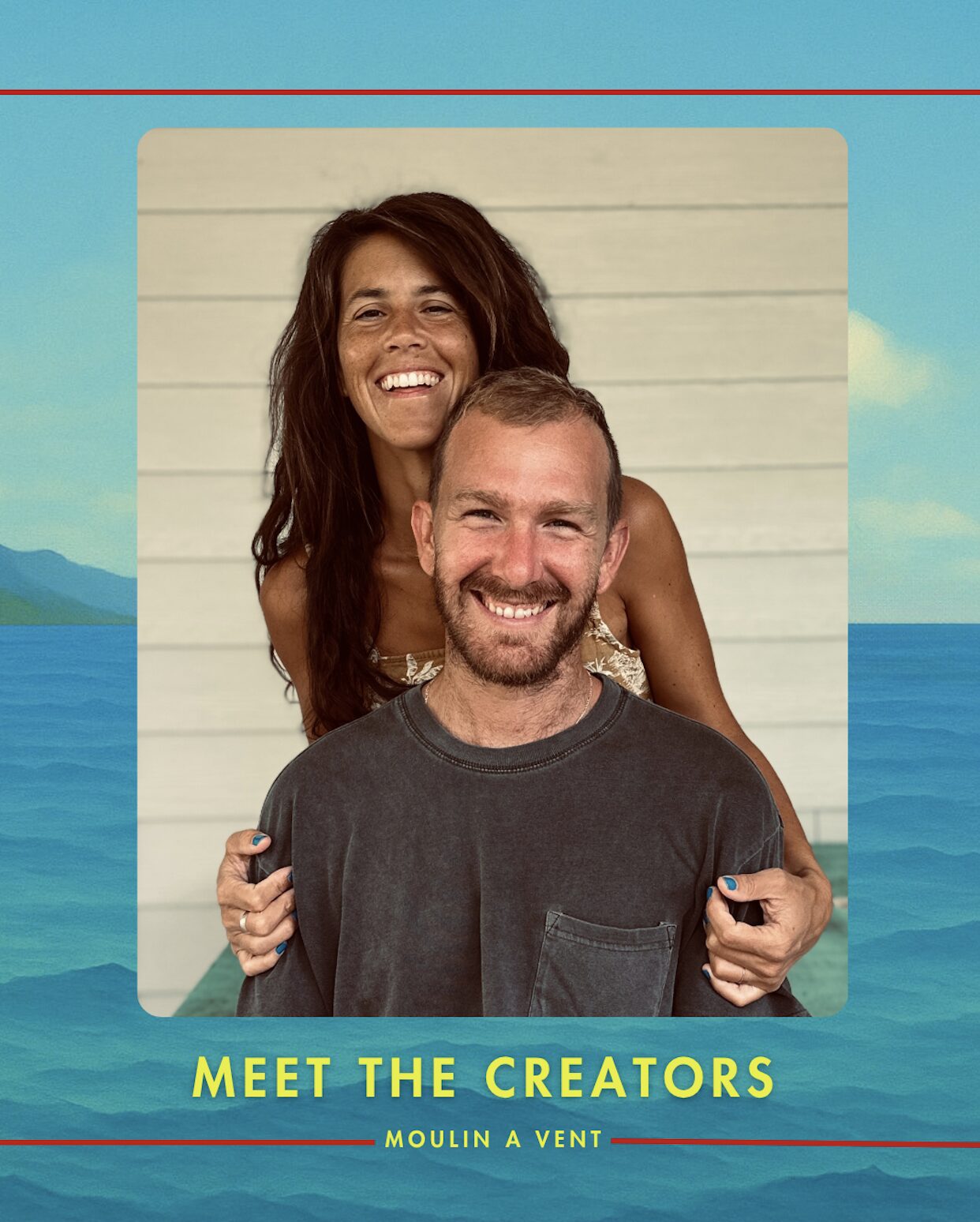
Led by husband and wife team, Kyle and Bethany Gerecke, Once Was Lost began with the couple picking up the waste from their local shores, with Bethany transforming pieces of recovered plastic into artwork, raising awareness and encouraging others to care for the coast.
Now, they’ve turned their attention to a much bigger project.
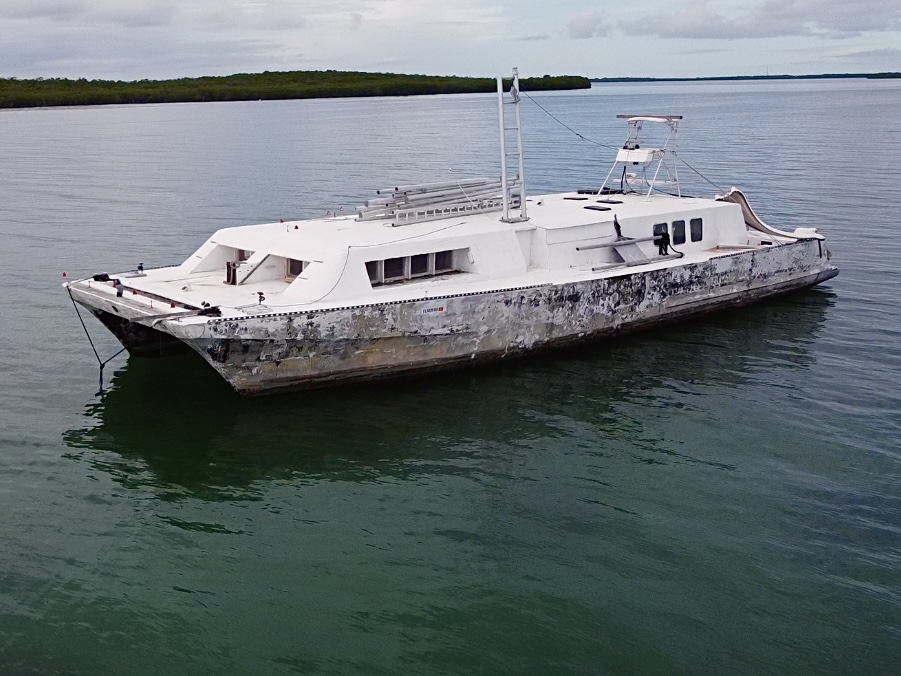
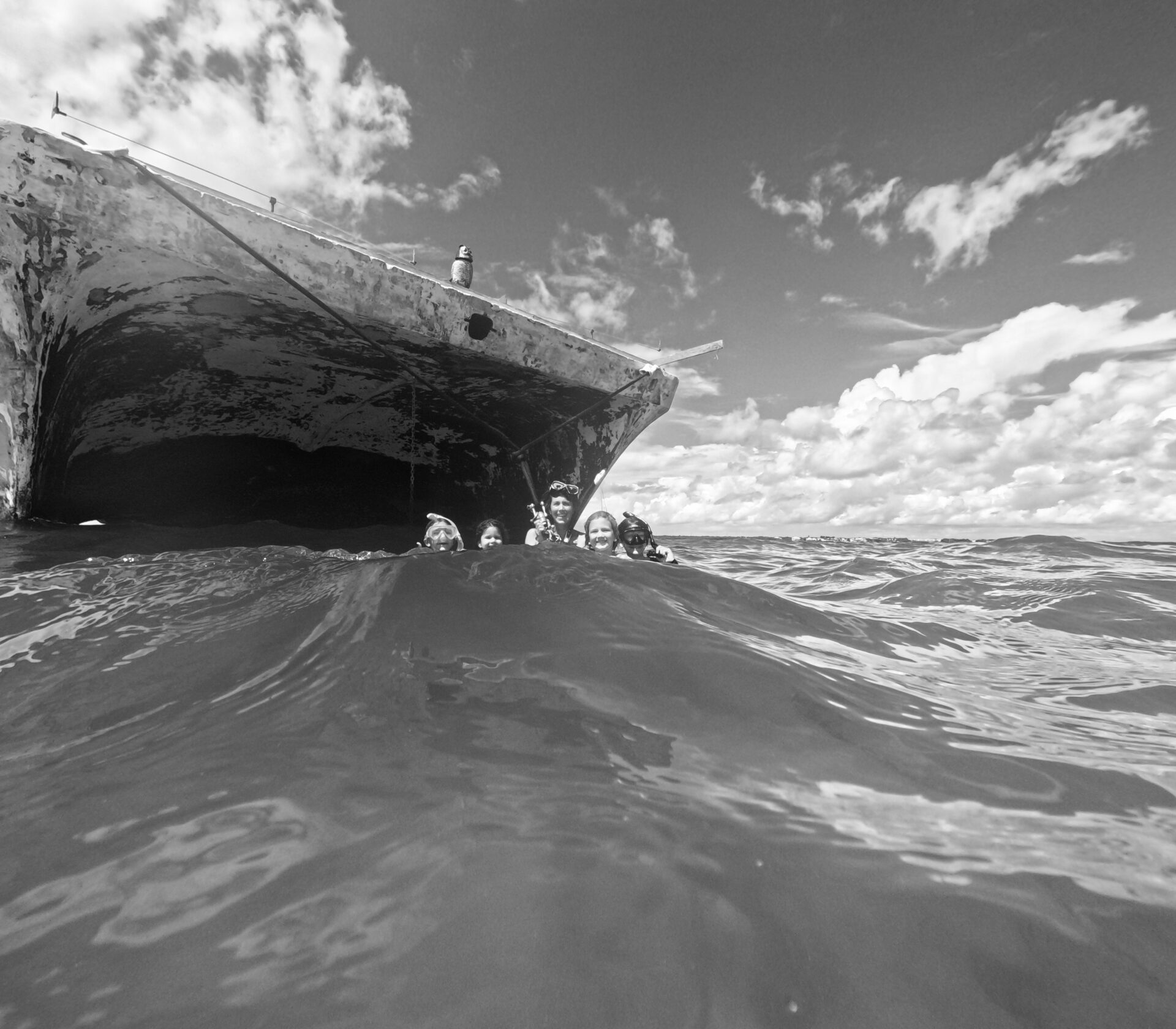
One of the original catamarans sailed by famed oceanographer Jacques Cousteau, Moulin à Vent (“Windmill” in French) holds deep historical significance and will now be reimagined by the organisation for a fresh chapter of responsible yachting.
Advertisement
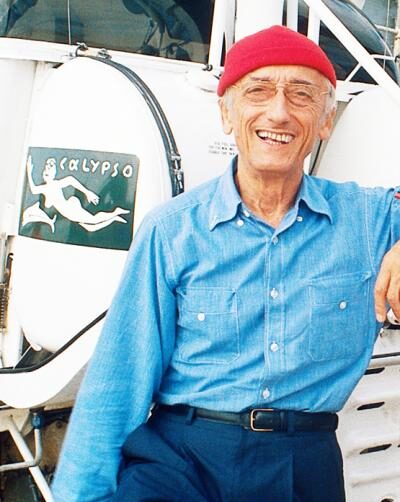
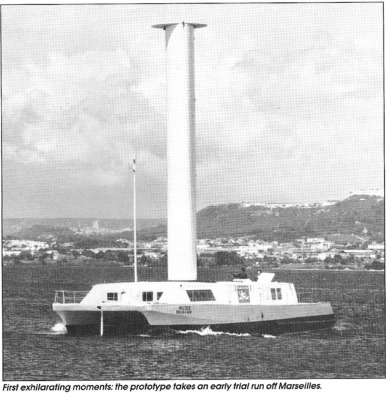
As described by the Ocean Futures Society, founded in 1999 by his son Jean-Michel, the legendary Captain Cousteau was not only a pioneering explorer of the seas, but also a French naval officer, ecologist, filmmaker, activist, innovator, inventor, author, scientific collaborator, and member of the French Academy.
Cousteau co-invented the Aqualung, started a marine conservation movement and created a legacy of passion for the ocean that continues today through his family and the millions of people influenced by his work.
Today, decades later, the pioneer’s 22-metre catamaran – which was originally utilised as an innovative research vessel in the 1980s – will be restored to serve the oceans again.
As Kyle Gerecke, CEO of Once Was Lost, reveals, this once lost ship will be transformed into a modern, sustainable exploration platform – refitted with solar-electric propulsion, recycled ocean plastic components, and an onboard media and research lab.
Once the revamp is complete, the vessel will serve as an expedition, storytelling, education and clean-up support hub across the Atlantic, Caribbean and beyond.
“This is no ordinary boat restoration,” Gerecke says. “We’re reviving a legacy and giving her a new mission for the oceans in a time when they need it most.”
Overall, once Moulin à Vent is seaworthy again, she will be dedicated specifically to marine plastic clean-up and recycling initiatives, educational programs, scientific research expeditions, as well as documenting and sharing ocean stories globally as her journey unfolds.
The crowdfunding campaign for the Moulin à Vent’s restoration has an initial public goal for $50,000 – but the ultimate aim is $300,000 to complete the full rebuild and return the vessel to service.
Backers of the crowdfunding campaign will gain exclusive access to behind-the-scenes restoration content, limited-edition memorabilia, and there will also be an opportunity to sail aboard the vessel post-restoration.
As the venture kicks off and garners support, Kyle Gerecke offers Sails an exclusive insight behind the scenes – before she sets sail again.
Sails: What initially brought on the idea of beginning this project? And how did it come about?
Kyle Gerecke: I first came across Moulin à Vent listed for sale online. Having admired Jacques Cousteau and sharing many of the same ideals, particularly around ocean stewardship and education, it instantly caught my attention.
wife Bethany and I run Once Was Lost Stewardship Initiative, a non-profit focused on ocean plastics clean-up and recycling. The more we learned about the boat’s history, the more it felt like fate. It combined everything we cared about: restoration, exploration, sustainability, and storytelling.
How did Once Was Lost Stewardship Initiative become involved?
Since we founded Once Was Lost, our mission has always been to protect the ocean through awareness, clean-up, and recycling. Bringing Moulin à Vent under that umbrella felt natural, it’s more than just a restoration; it’s a symbol of renewal. Just as Cousteau inspired the world to care for the sea, we want this vessel to carry that same message for a new generation.
What does restoring this iconic vessel mean to you personally, and to the legacy of Jacques Cousteau?
Personally, it’s humbling. I didn’t grow up watching Cousteau’s shows, but my life has been influenced by him, his inventions, and ideas are everywhere. I even skipped my high school graduation to get scuba certified, something I could never have done without his pioneering work.
To carry on even a small piece of his legacy feels like a great responsibility. Our hope is not just to keep his torch lit, but to carry it forward, to use this vessel once again to inspire curiosity, respect, and love for the ocean.
What do you foresee will be the biggest challenges in bringing such a historic vessel back to life?
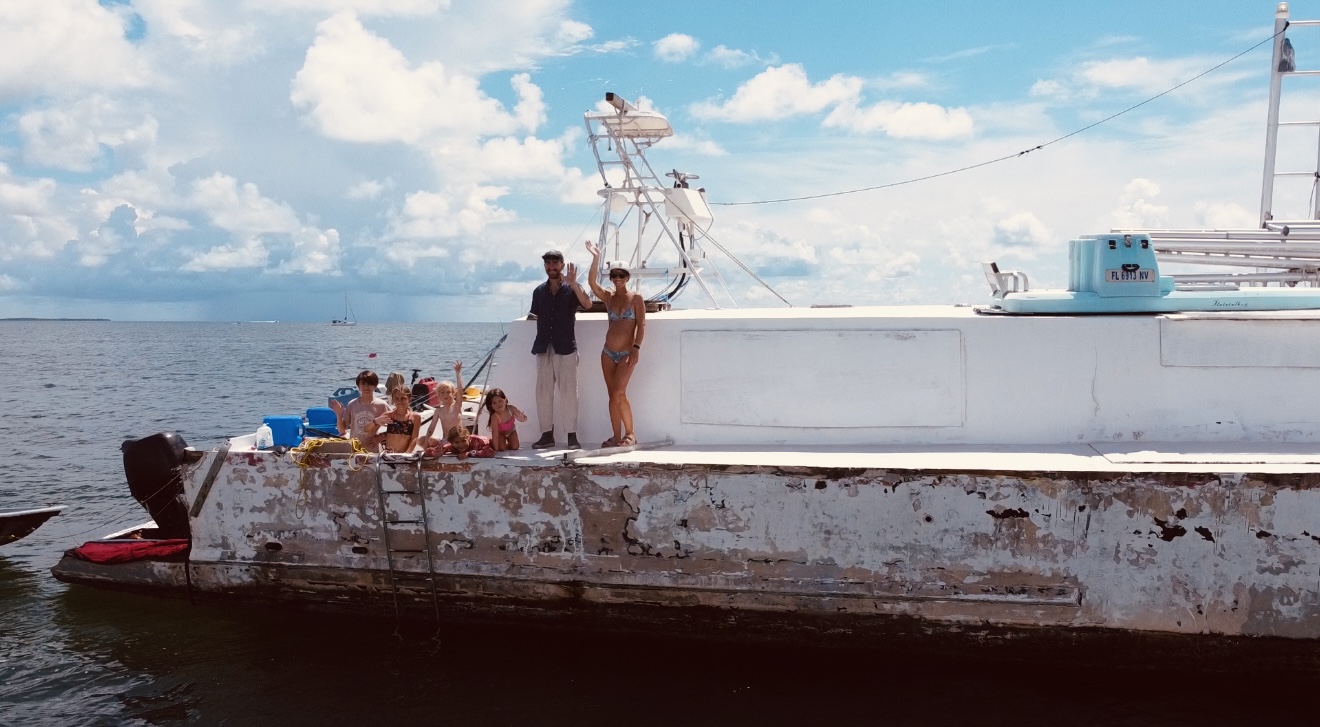
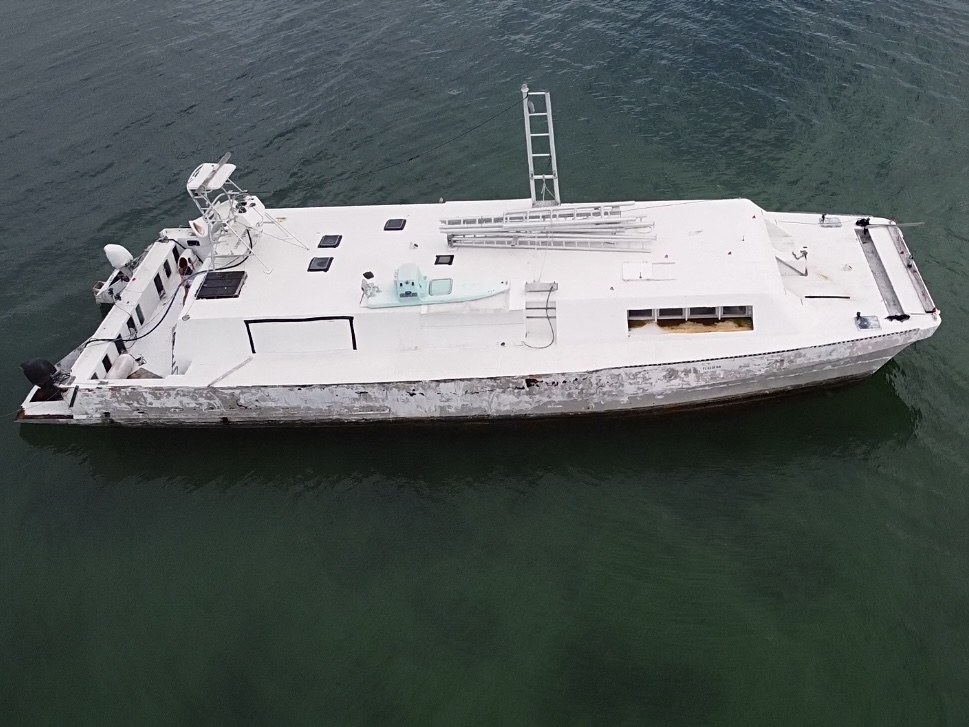
The vessel is in significant disrepair; nearly everything needs attention, from the structure to the systems. Her sheer size also adds complexity, since only a few shipyards can accommodate her. It’s a monumental effort, but we believe her history and purpose make every challenge worthwhile.
How long do you think it will take, and where will the restoration take place?
If our Kickstarter meets its base goal, we expect the initial restoration phase to take about three months, enough to make her safe, seaworthy and a functioning vessel again. With stretch goals met, the complete rebuild and outfitting will likely take six to nine months. The work will be done here in Florida, close to where she currently rests.
How do you aim to balance preserving its heritage with introducing modern technology to take on its fresh goals?
By taking a cue from Cousteau himself, he was never afraid to innovate. The Moulin à Vent originally featured experimental propulsion far ahead of its time. We intend to honour that same spirit of innovation, integrating clean energy systems and sustainable materials while keeping her recognisable character intact. It’s about preserving her story, not freezing her in time.
How closely will the restoration follow the vessel’s original design and spirit?
Visually, she’ll remain pretty close to her original form. Inside, we’ll modernise for safety, comfort, and efficiency using eco-friendly technologies that align with her mission. The goal is to create a vessel that Cousteau himself would recognise, yet one that’s capable of inspiring new discoveries for the 21st century.
How exactly will the vessel be equipped to tackle modern challenges like marine plastic clean-up and recycling?
Once fully outfitted, Moulin à Vent will feature a small onboard lab and equipment for field testing and plastic analysis. She’ll also host scientists and volunteers on expeditions to collect data and clean-up materials. Just as importantly, she’ll serve as a floating classroom, our YouTube series will document each mission to show how anyone can take part in ocean conservation.
What kinds of scientific research expeditions are planned once she’s back at sea?
We aim to support research in the North Atlantic Garbage Patch. Helping to trace the sources of ocean plastics and test new clean-up and recycling methods. Since Once Was Lost focuses on the circular economy of plastics, we’ll also study how recovered materials can be reused instead of discarded, closing the loop on waste.
Education was central to Cousteau’s work — how will this vessel inspire and educate a new generation?
Just like Cousteau, we’ll teach through storytelling. Our YouTube channel and social platforms will share every step from restoration to exploration, offering educational, behind-the-scenes content that demystifies conservation and inspires hands-on involvement.
Will the vessel’s return include opportunities for young scientists, filmmakers, or students to come aboard, and what could these expeditions include?
Absolutely. Collaboration was at the heart of Cousteau’s success, and it will be central to ours. We plan to open the vessel to researchers, filmmakers, and students through partnerships with universities and non-profits. The goal is to make Moulin à Vent a platform for shared discovery, not a closed project.
How will those who are given the opportunity to come onboard be selected?
We’ll prioritise individuals and organisations aligned with our mission. Those working toward environmental restoration, ocean conservation, or sustainability innovation. Ultimately, we’ll choose those with the greatest potential to make a positive impact for our planet.
How will you ensure that her new missions — from clean-up to storytelling — honour Cousteau’s original vision?
Our board is deeply committed to both environmental integrity and Cousteau’s spirit of curiosity and respect for the sea. Beyond that, our community keeps us accountable, our supporters and viewers will make sure we stay true to the heart of the mission.
What role do you see technology playing in documenting and sharing the vessel’s ocean stories globally?
Cousteau believed in using technology as a bridge between people and the ocean, not as a barrier. We agree. From renewable propulsion to digital filmmaking, technology will help us explore responsibly and share discoveries instantly with the world, while remaining mindful not to let innovation overthrow sustainability.
Overall, what does restoring this legendary Cousteau vessel mean for ocean exploration today, in your eyes?
We believe it’s a reminder that exploration isn’t just about discovery it’s about stewardship. By breathing life back into this historic vessel, we’re reconnecting the spirit of the past with the possibilities of the future, showing that adventure and responsibility can go hand in hand.
When she finally sails again, what message do you hope her journey will send about the future of our oceans?
That hope still exists. Even in a world full of challenges, there are people willing to act to repair and restore for the future of our oceans. We want Moulin à Vent to stand as proof that it’s never too late to make things right.
-

Advertisement
-
Advertisement
-

Advertisement
