

Caribbean showdown
Threading its way around 11 islands, the 17th edition of the RORC Caribbean 600 kicked off this week – delivering another chapter of magnificent offshore racing in the Caribbean.
25 February 2026
Advertisement
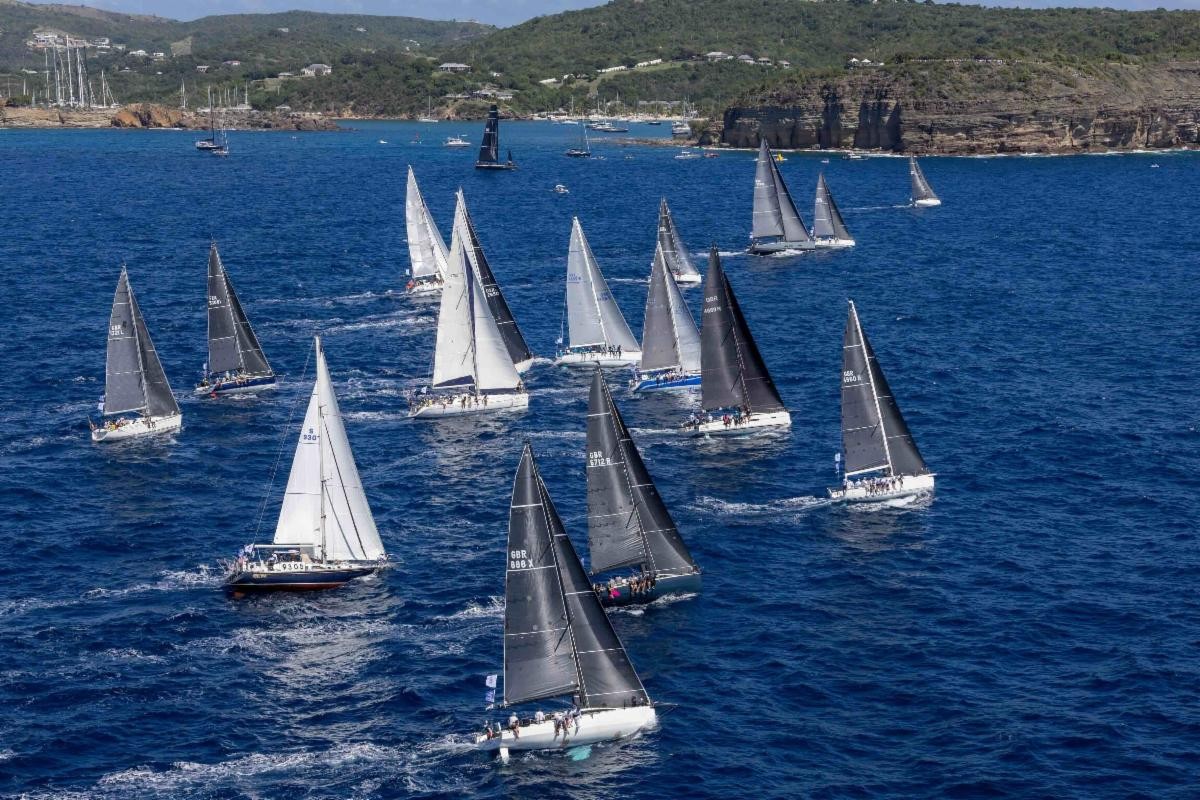
The Royal Ocean Racing Club, in partnership with Antigua Yacht Club, is hosting the 17th edition of the RORC Caribbean 600 – a spectacular offshore challenge which began on 23 February, featuring nearly 500 sailors from 40 countries.
A highlight of the offshore calendar since 2009, the 600-mile course has tested crews through fast acceleration zones by winding its way around 11 islands, including Barbuda, Saba, and La Désirade, as well as the tricky wind shadow near Guadeloupe.
Competing through one of offshore racing’s toughest and most thrilling courses, this year’s lineup showcased cutting-edge multihulls to powerhouse maxis and diverse IRC classes – a remarkable blend of experience, innovation, and ambition – all taking on the Caribbean’s legendary tradewinds and testing island transitions.
Advertisement
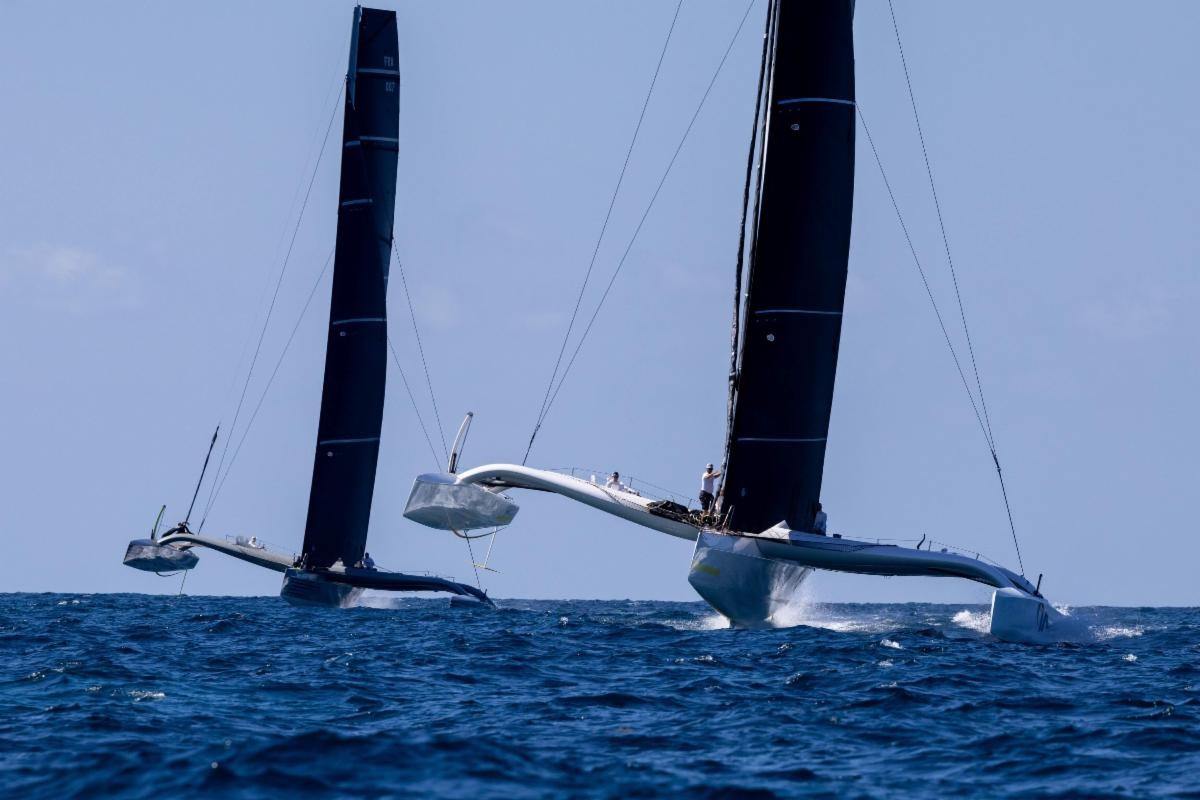
Multihull: MOD70 duel in the trades
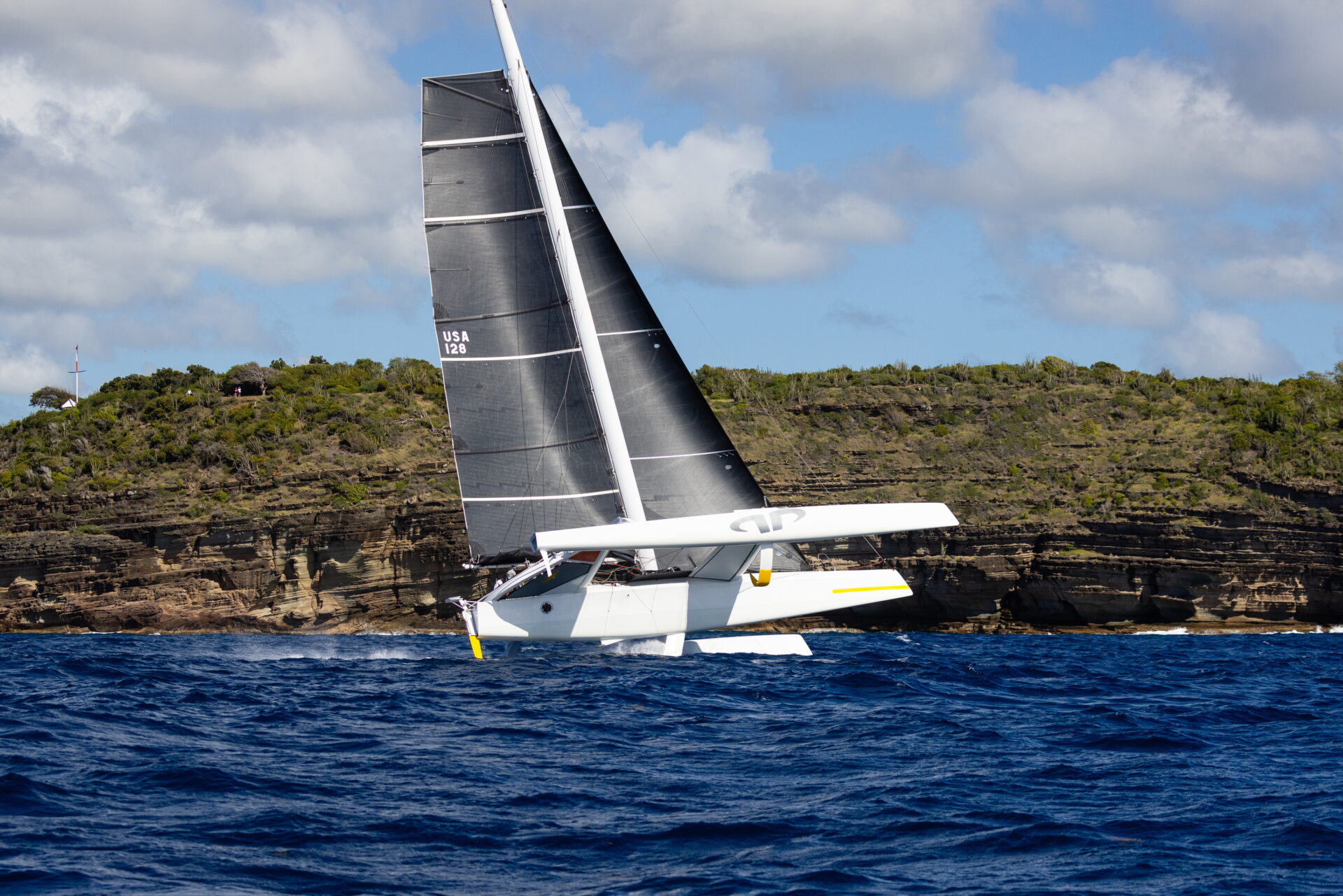
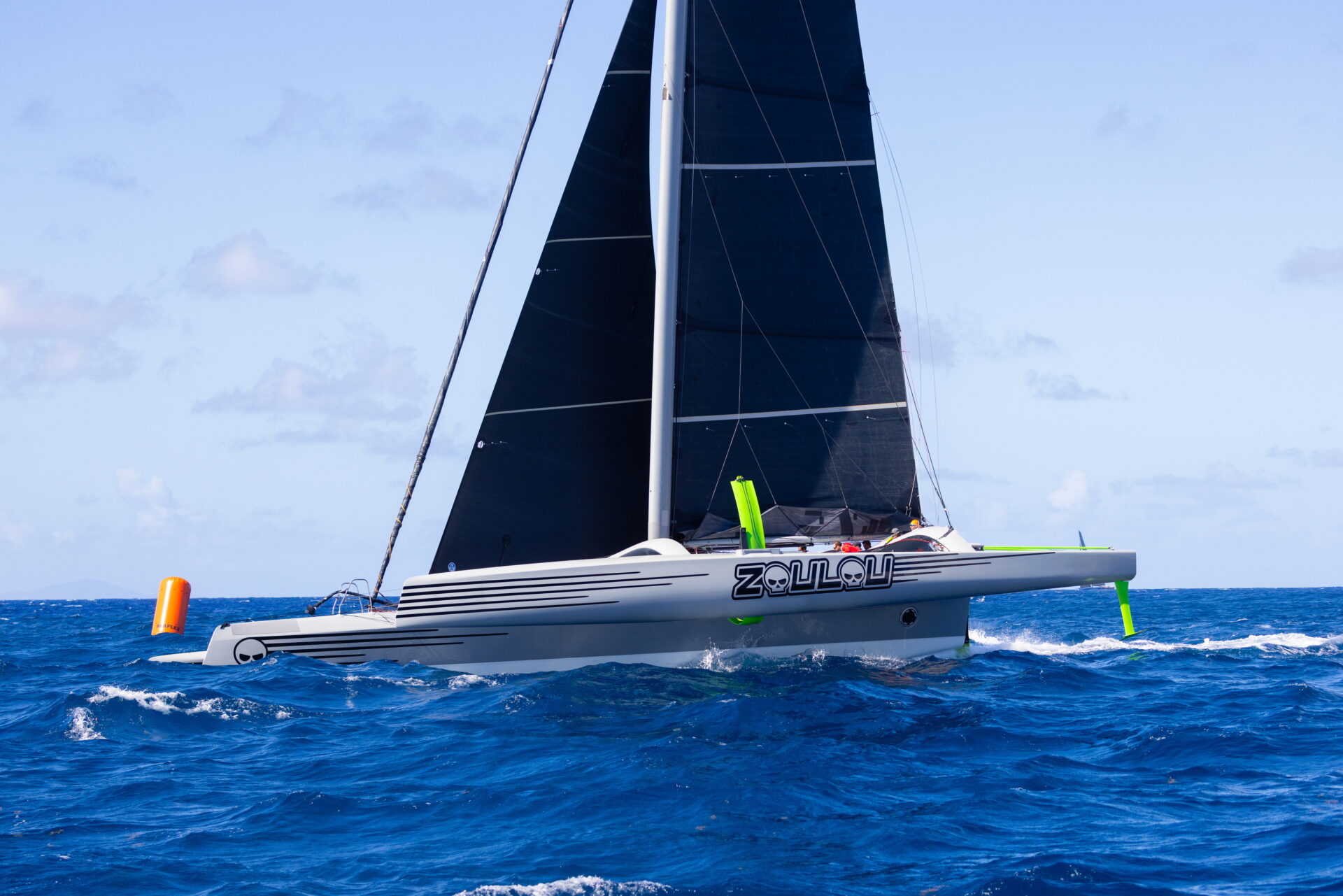
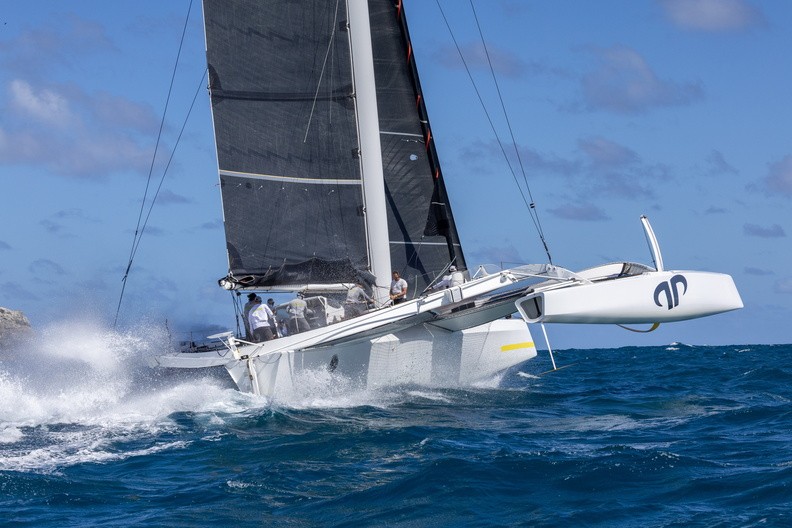
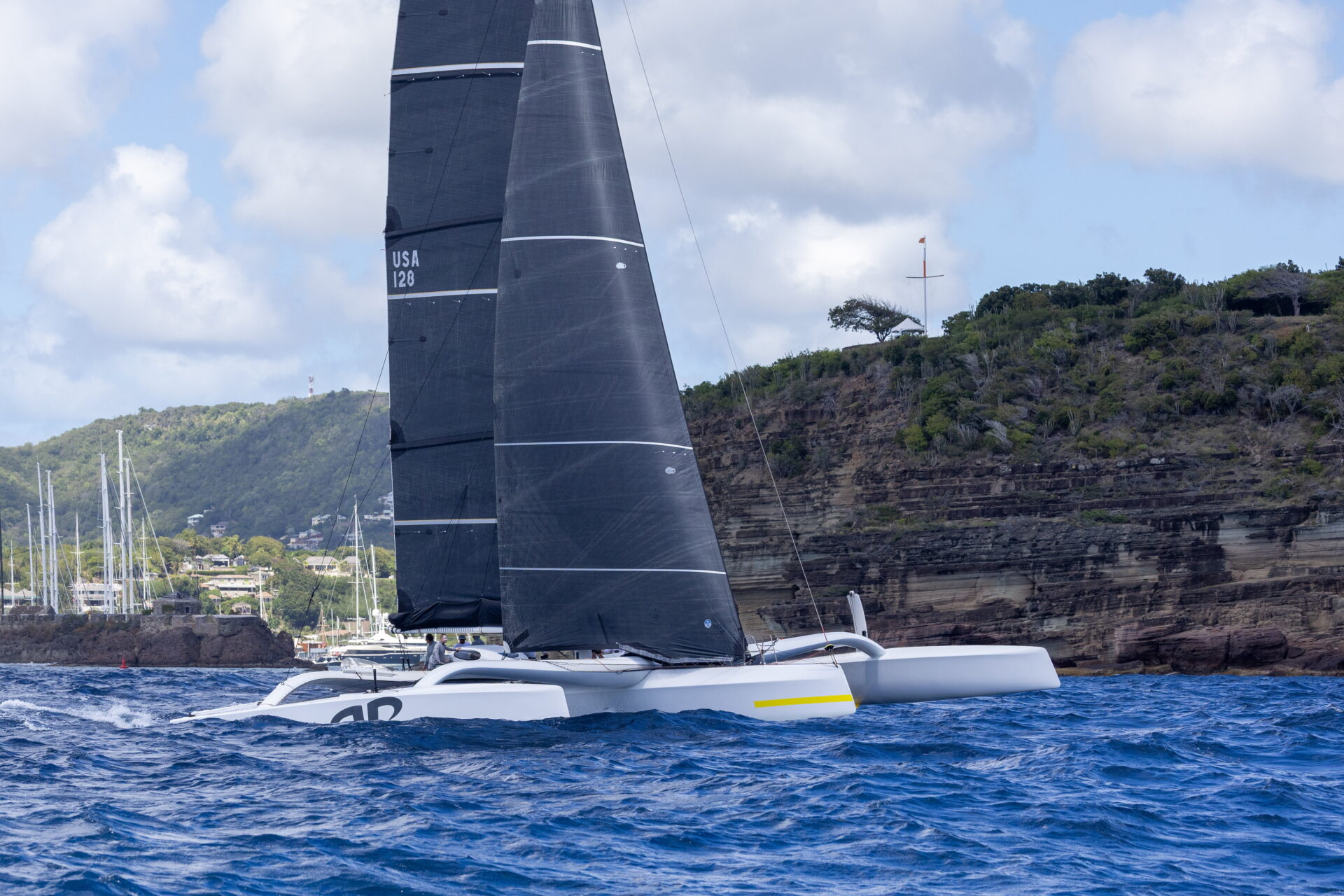
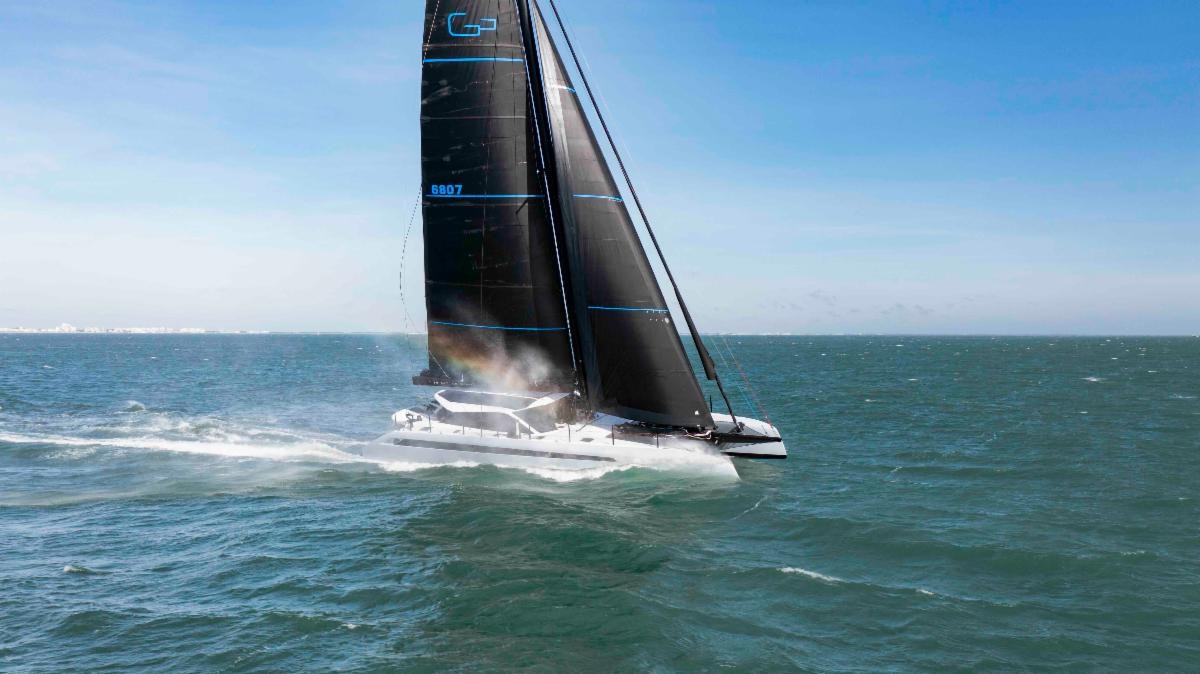
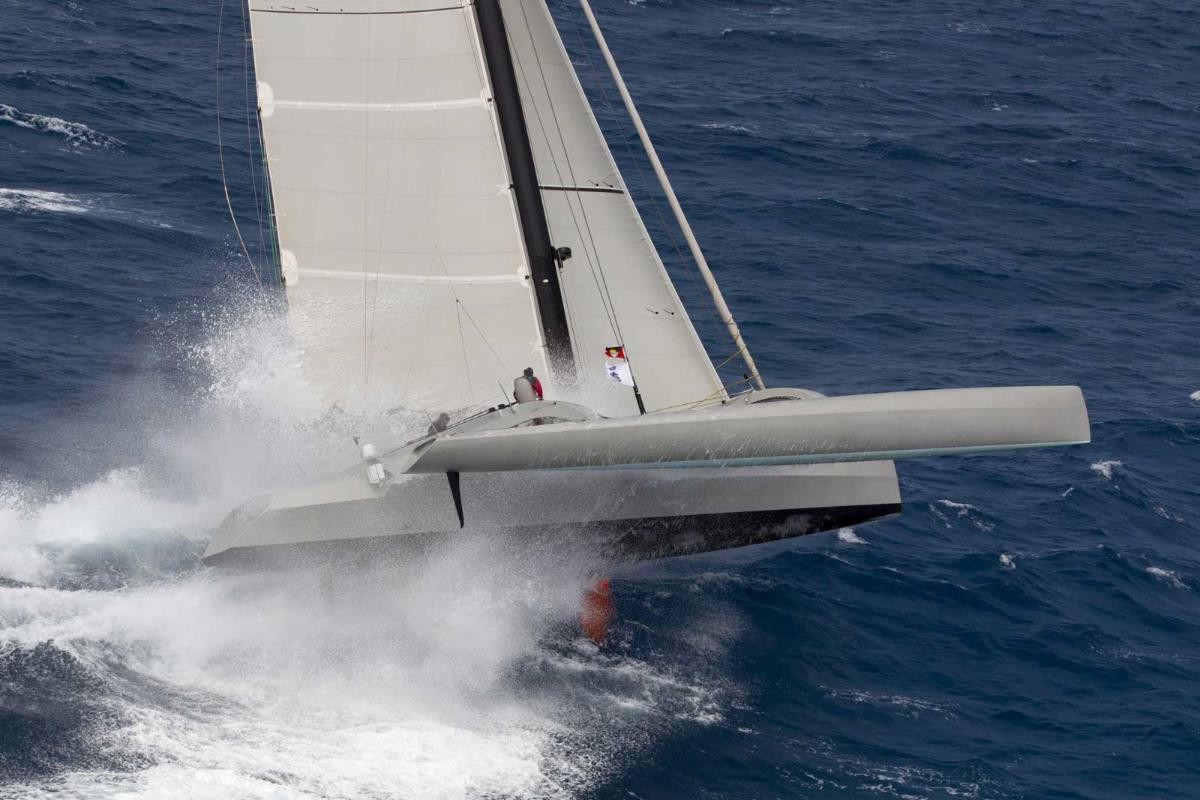
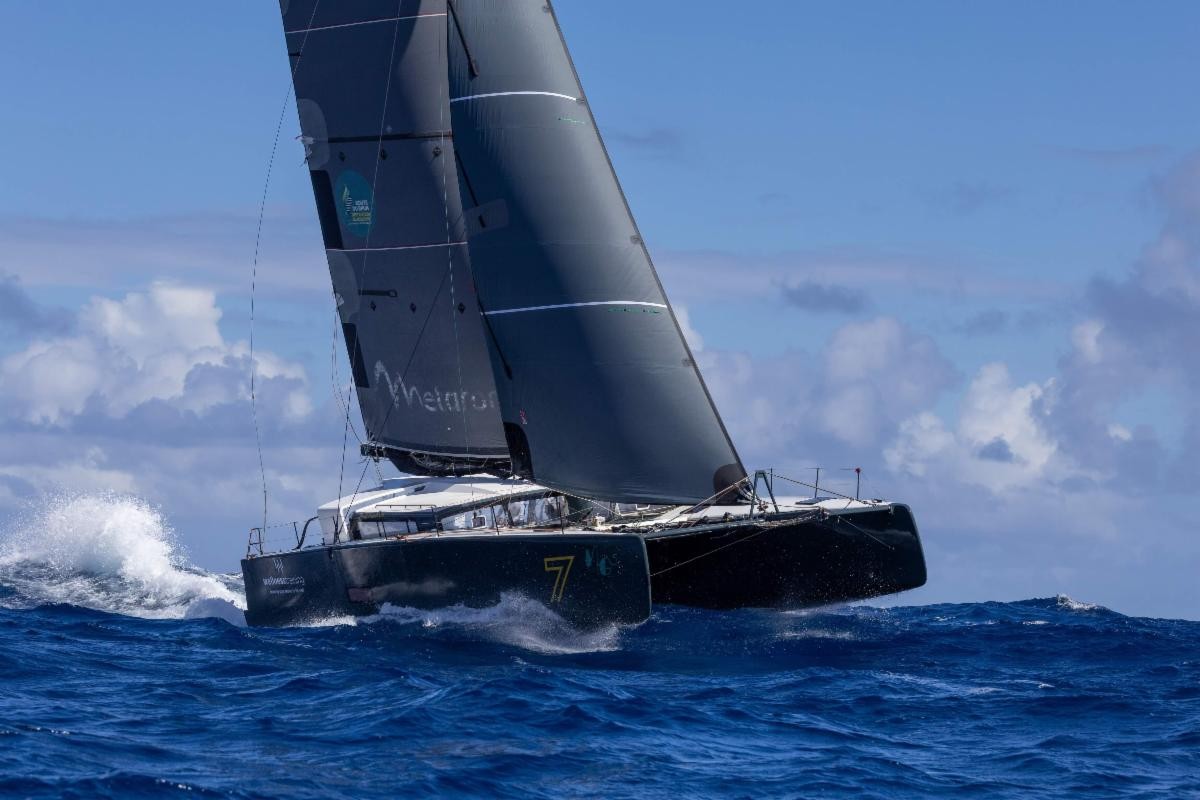
Eleven multihulls lined up, headlined by a high-speed MOD70 showdown between Jason Carroll’s Argo (USA) and Final Final – Zoulou, campaigned by Jon Desmond also from the USA, while Argo arrived with vast experience of the race and in formidable form, taking line honours in the RORC Transatlantic Race.
Zoulou sailed by Erik Maris, however, finished just two and a half hours behind after 3,000 miles.
Both MOD70s are capable of sustained speeds above 30 knots and boast all-star line-ups. Argo featured Brian Thompson, Chad Corning and Sam Goodchild among others, while Final Final – Zoulou countered with Ned Collier Wakefield, Thomas Le Breton and navigator Miles Seddon.
Around the 11 islands of the course, boat handling matters as much as raw speed, but Jon Desmond is no stranger to the RORC Caribbean 600 having raced the course in his Mills 41 and last year in his PAC52 – both named Final Final. In 2026, however, Desmond this time stepped into new territory – his first multihull campaign in the race, chartering the MOD70 Zoulou for an all-out rip-speed duel in the tradewinds.
“It’s a bit of fate that we’re here in a MOD70 this year,” says Desmond. “The PAC52 stayed in Malta after a big 2025 season and we’d planned to take a break from Caribbean racing, but I’ve been curious about the MOD70s for years. I sailed Orion in San Francisco in 2023 and was blown away by the power and intensity. Then I bought an M32 and got another taste of multihull speed in Miami. When the chance came to charter Zoulou for the ‘600, it felt like an opportunity you just don’t pass up. You only live once!
“I’ve followed the MOD70 duels here for years and they’re unbelievably close. Argo is the benchmark and the record holder, so if we can stay in the fight with them, I’ll be thrilled. But our focus is to sail hard, stay safe and enjoy every second of the ride,” he adds.
“Legs that used to take us eight hours could take two. You’re thinking two manoeuvres ahead at all times. The wind shadow at Guadeloupe is still there, but with this speed you’ve got more options. That’s exciting.”
The wider MOCRA fleet added depth. Marc Guillemot’s MG5 Wellness Training (FRA) is back having finished class runner-up last year. Marcus Sirota’s Nigel Irens trimaran Sophia, the MOCRA race record holder as Paradox, brings pedigree.
Matteo Uliassi’s Falcon (ITA), a DNA F4, blended Italian ownership with Antiguan America’s Cup winner Shannon Falcone as skipper and his brother, Youth America’s Cup winner Rocco. Three Ocean Fifty catamarans, Calamity (FIN), Tiana (FRA) and Wa-Kan (FRA) strengthen the fleet, while Richard McKinney’s Gunboat 68 Little Wing (USA) debuted with speed record holder Paul Larsen aboard. Marc Lepesqueux’s TS42 Cata Sensation (FRA) and Clarin Mustad’s Alibi 54 Dakota (CH) were on the start line.
IRC Super Zero: The 100-foot showdown
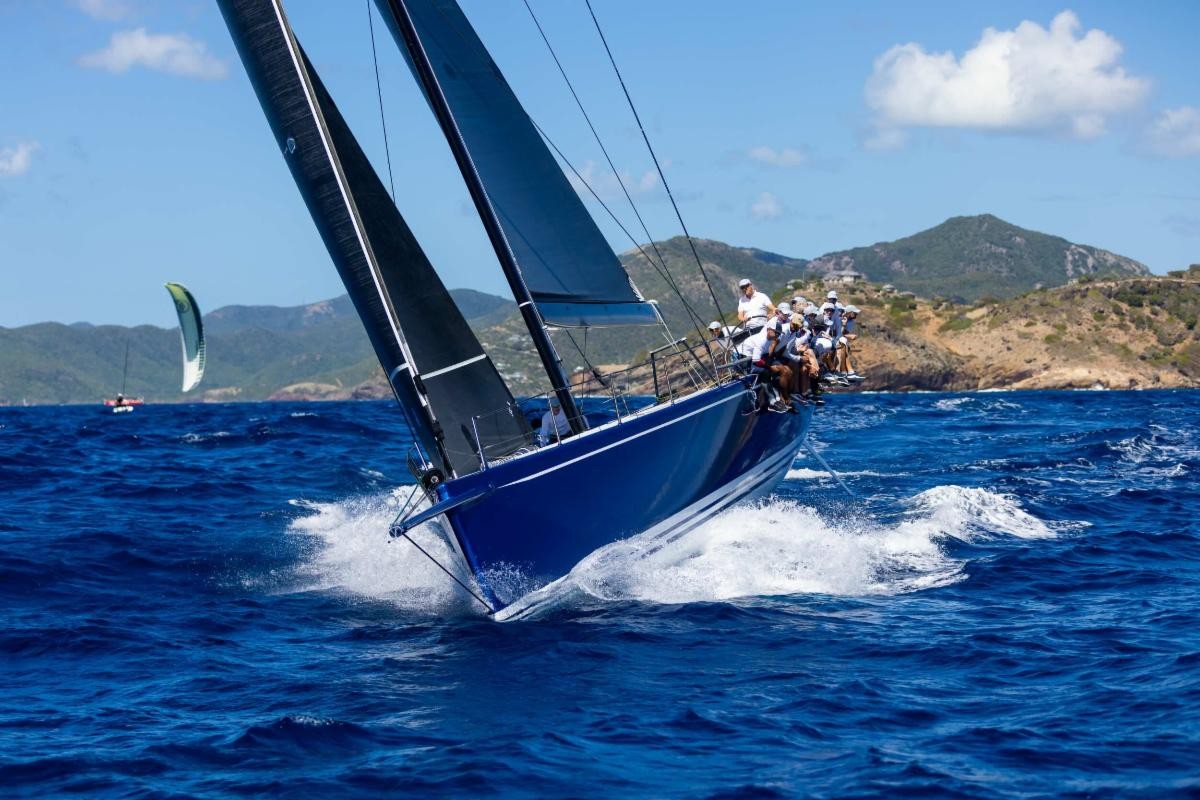
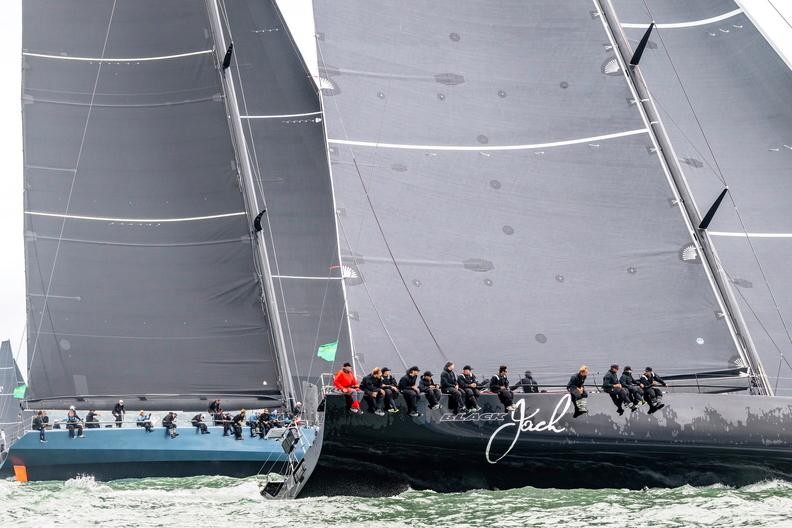
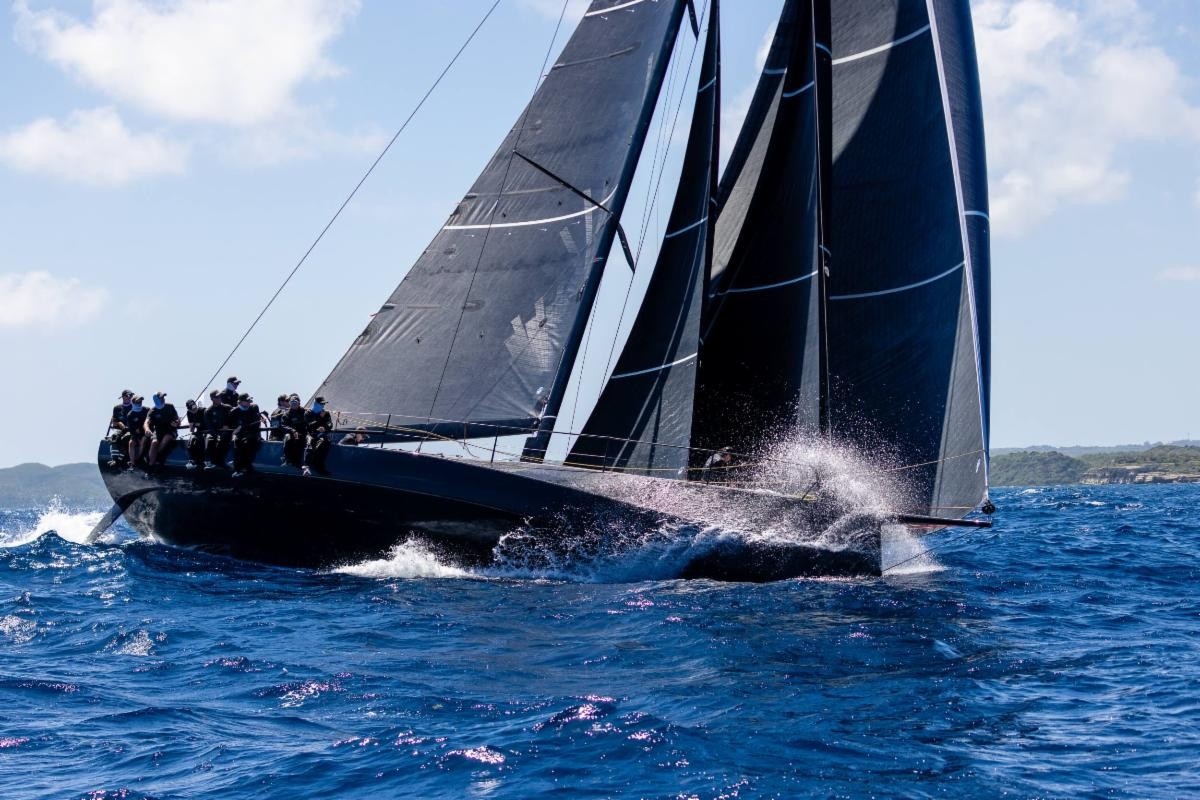
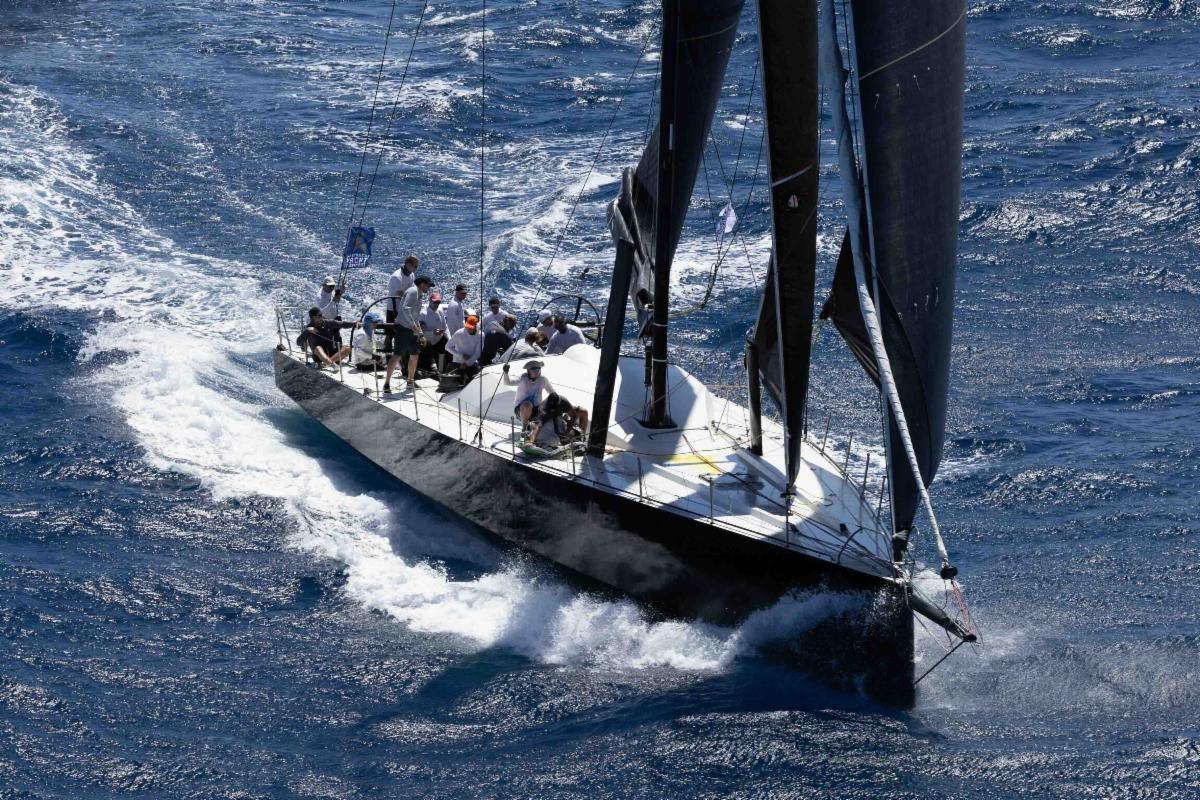
The monohull spotlight this race fell on the 100-foot Maxi battle for line honours between Black Jack 100 and Leopard 3.
Leopard 3, the Farr 100 owned by Joost Schuijff and skippered by Chris Sherlock, returned for her ninth race. Leopard holds pedigree, having set the original monohull record in 2009 and in 2024 secured a remarkable triple crown, including monohull line honours and the overall win under IRC.
“Leopard is at her best when it’s a proper reaching race,” says Sherlock. “In strong tradewinds we can really lean on the boat. Experience counts here. It’s rarely just about straight-line speed.”
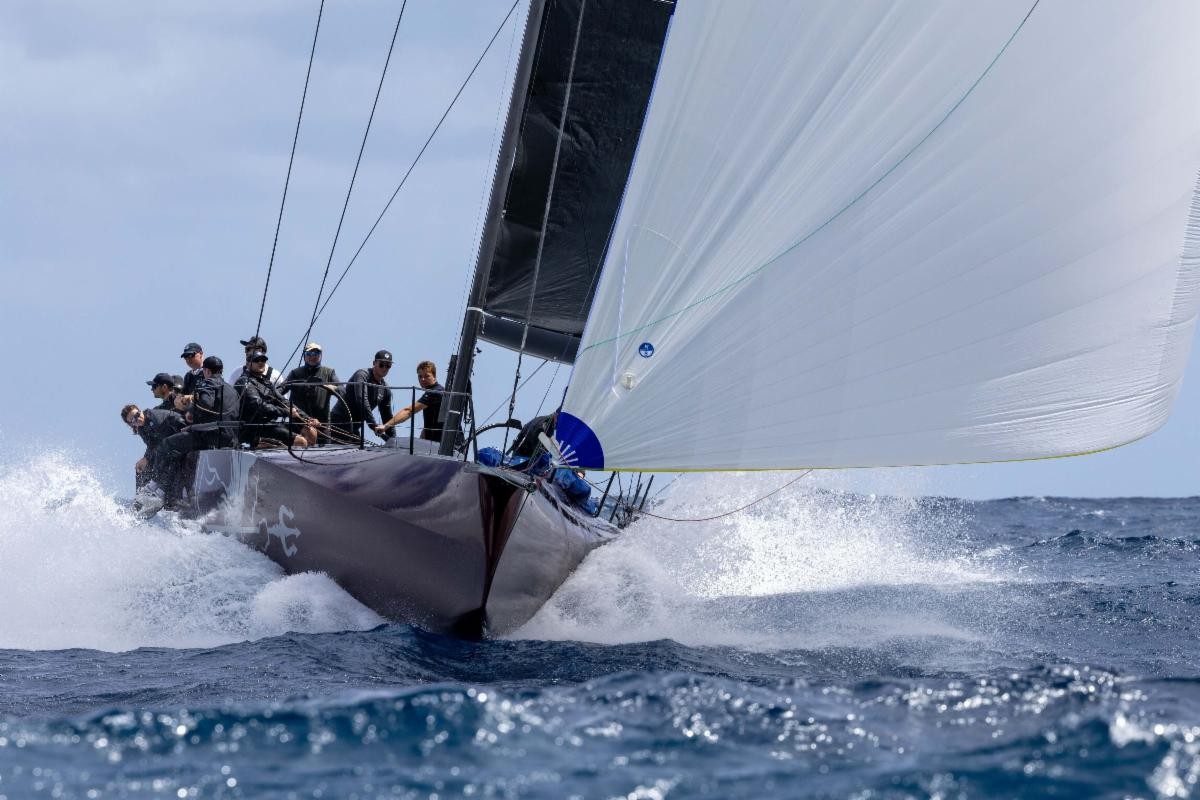
RP100 Black Jack 100 owned by Remon Vos and skippered by Tristan Le Brun arrived with major offshore victories in 2025, including the Rolex Fastnet and Rolex Middle Sea Race, but the maxi has never raced in the RORC Caribbean 600.
“Black Jack is lighter and narrower, so in lighter conditions and downwind VMG we’re very strong,” says Le Brun. “Fast sail changes and clean manoeuvres around the islands make as much difference as outright power.”
Further firepower came from the Mills 72 Balthasar with Louis Balcaen at the helm, with Balthasar having been the overall IRC winner of the 2025 Rolex Middle Sea Race. The crew included Bouwe Bekking, Aksel Magdahl and Hamish Pepper. Former Volvo Ocean Race boats Il Mostro, Cockatoo, Jajo and Sisi add round-the-world pedigree.
IRC Zero: Big boats, fine margins
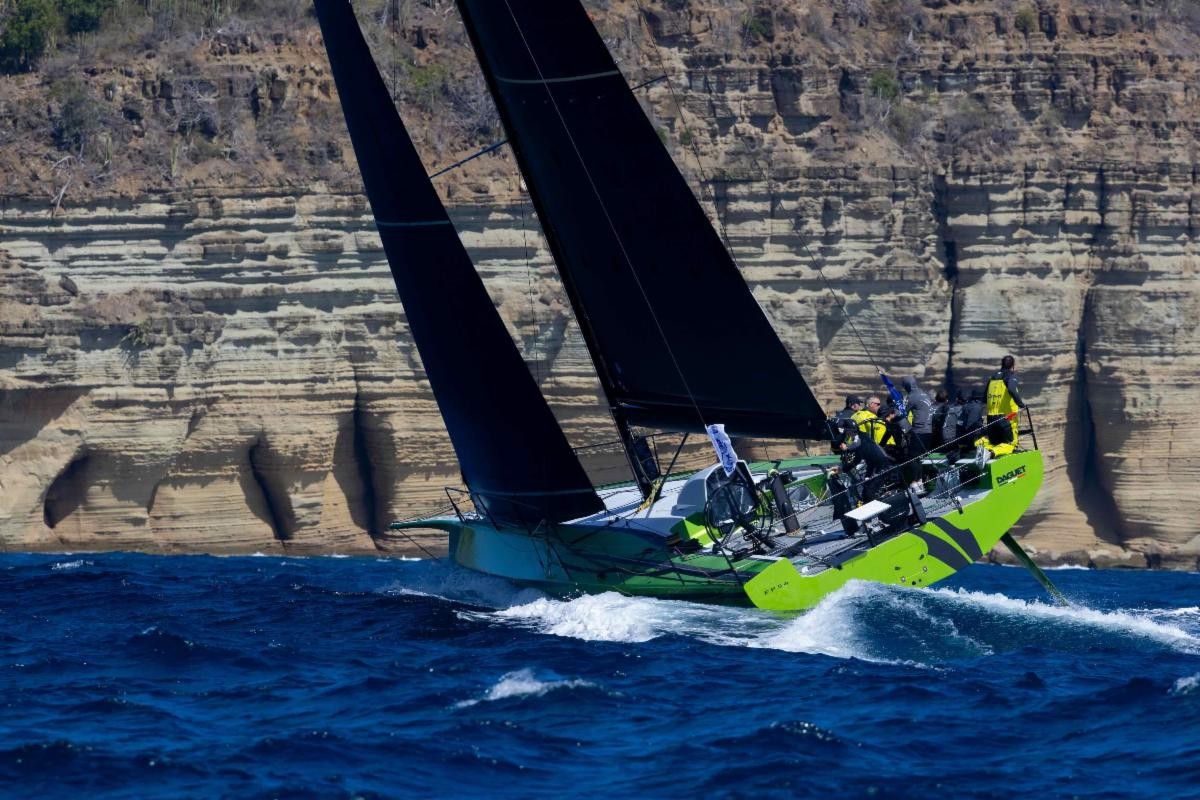
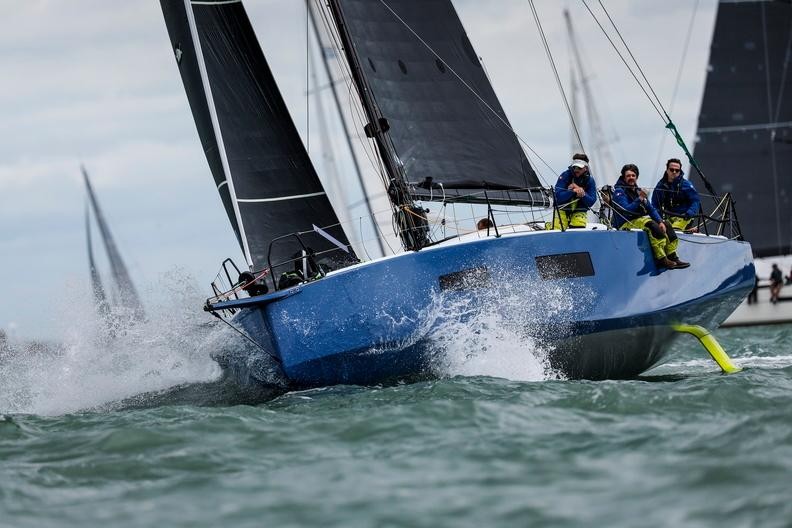
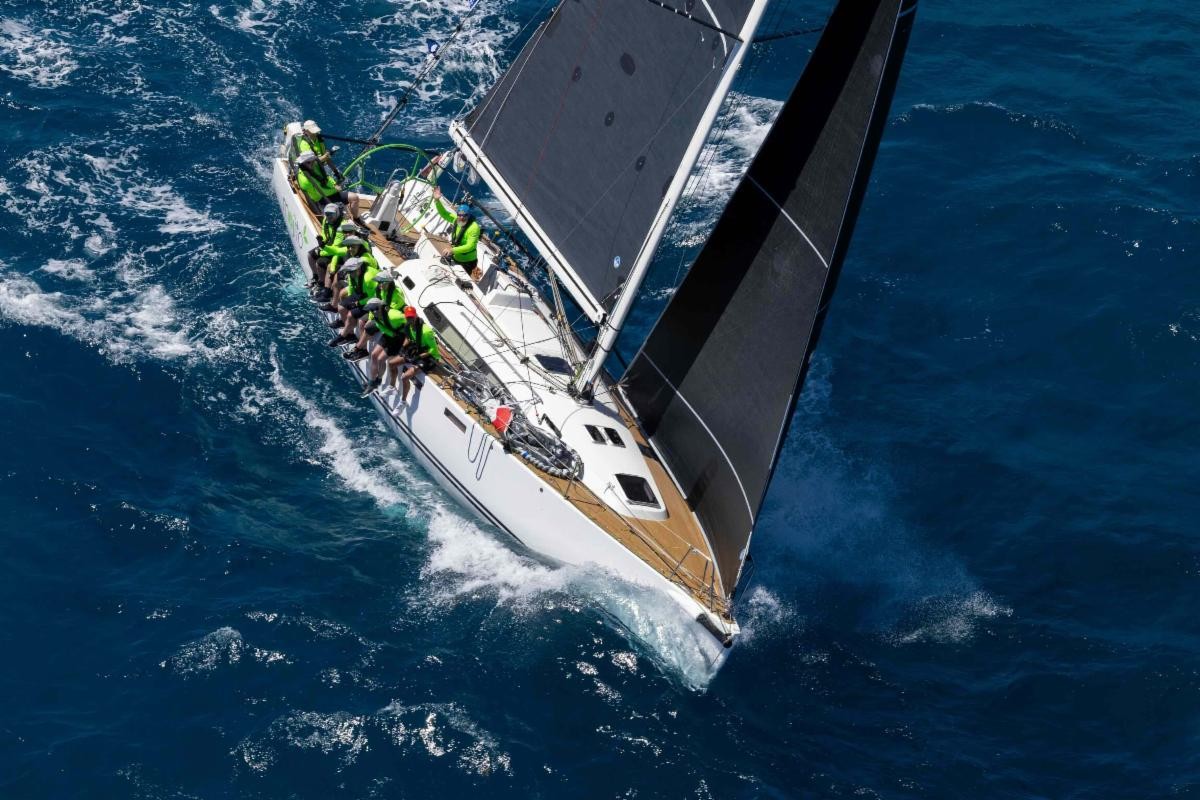
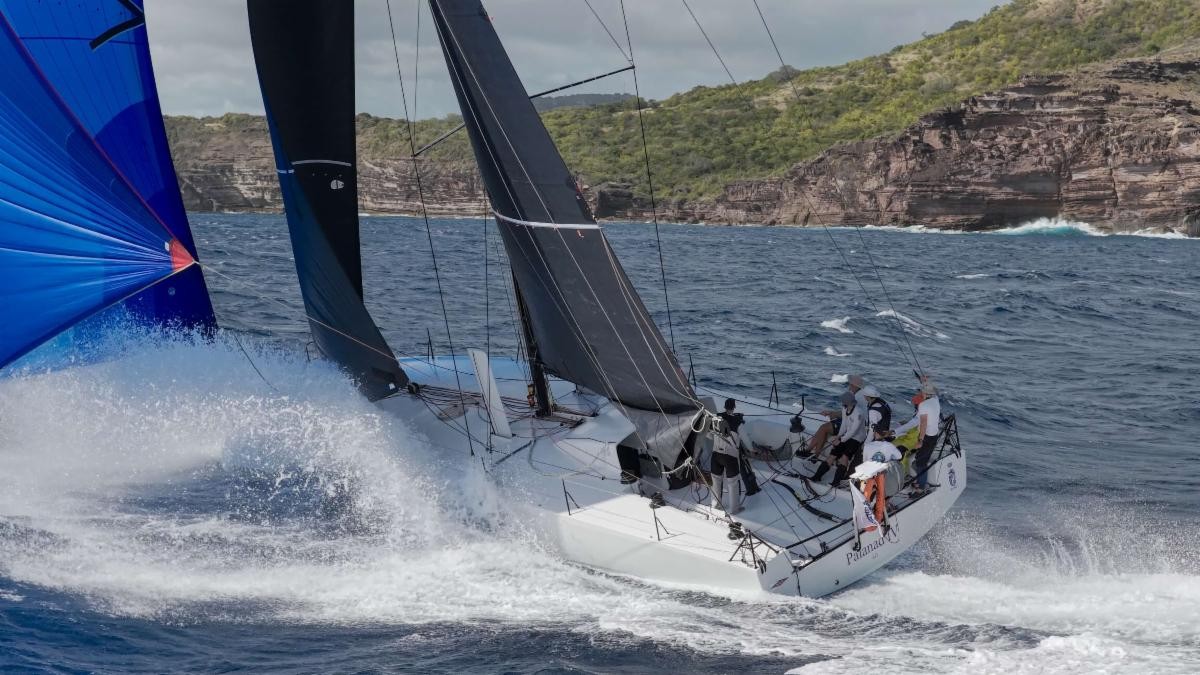
IRC Zero featured a trio of Carkeek designs: 2025 Class winner Niklas Zennström’s Rán (SWE), Frederic Puzin’s Daguet 5 (FRA) and James Neville’s Ino Noir (GBR); and they were joined by Mach 50 Palanad 4 (FRA), owned by Olivier Magre and skippered by Antoine Magre – fresh from IRC overall victory in the RORC Transatlantic Race.
“The 2025 Caribbean 600 is the first major test for Daguet 5, just four months after launch,” says Frederic Puzin. “Coming runner-up to Rán by less than eight minutes, confirms the strength of the concept and the boat’s reliability.”
On Palanad 4, he adds: “A transatlantic race is a different discipline. Around these islands it’s about manoeuvres and transitions. There are many strong contenders; this race is about adaptability. It comes down to execution: boat speed, tactical clarity and, above all, staying calm under pressure.”
Philip Rann’s Rogers 80 Aegir (GBR), Jean-Pierre Dick’s custom Nautor 76 La Loevie (FRA) and Carlos Hernandez’s Tripp 72 Viento (MEX) were the largest boats in a head-turning class.
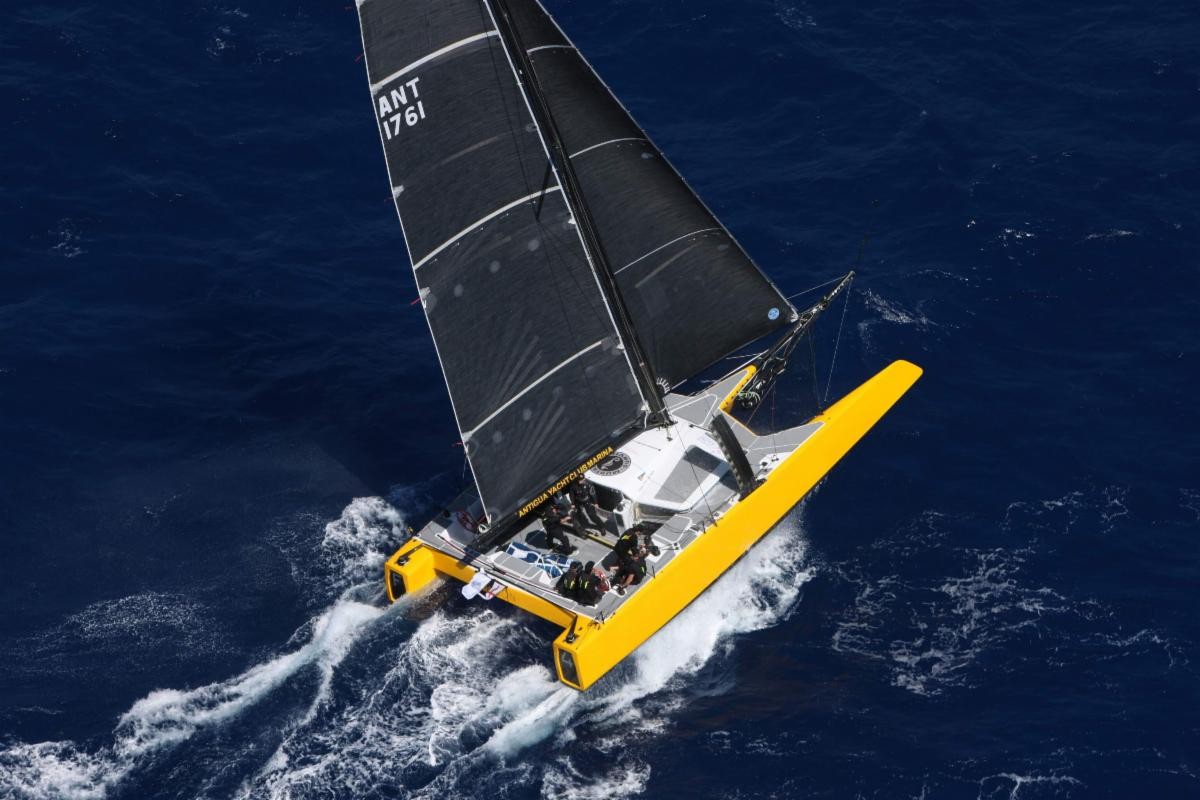
IRC One: Depth and diversity
IRC One combined professional ambition with strong Corinthian spirit in a highly diverse class of 13 boats.
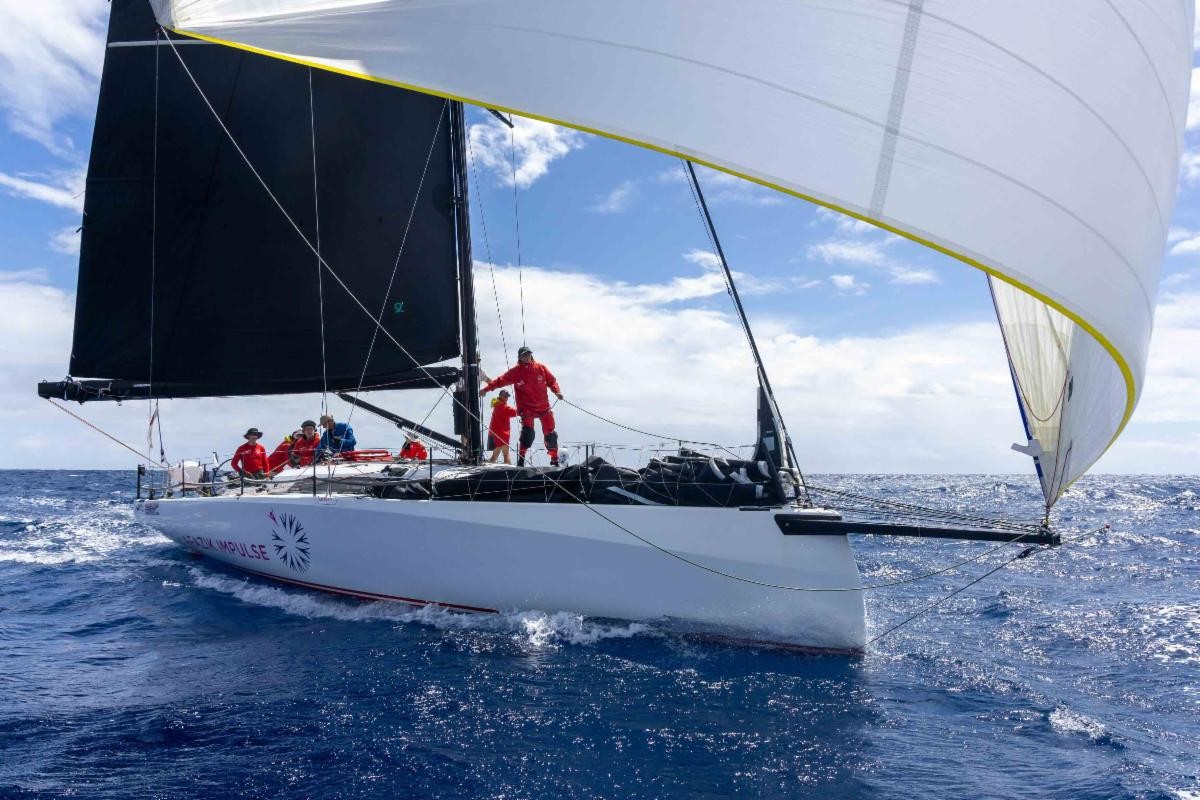
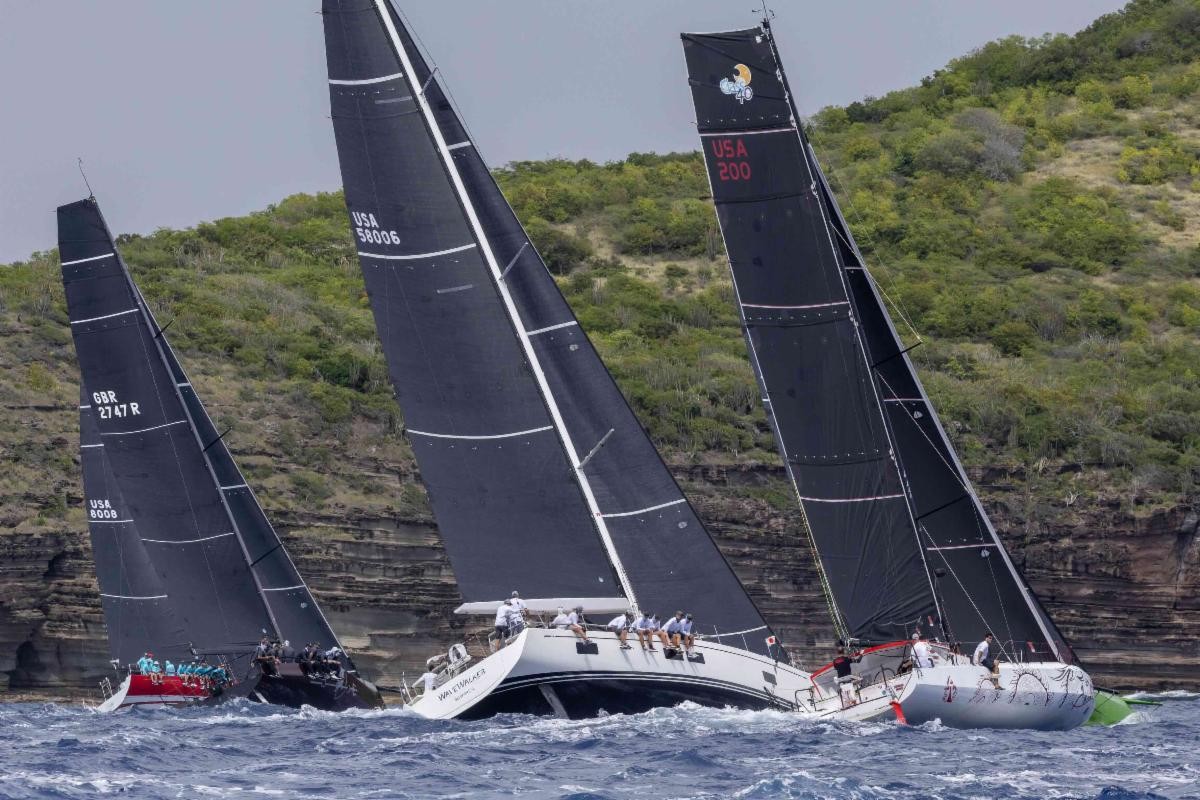
Andrej Mertelj’s Shipman 63 Hagazussa III (SLO) was the scratch IRC boat. Xavier Bellouard’s Maxitude (FRA) with Alexi Loison on board, had the second highest IRC rating, followed closely by Yves Grosjean’s Afazik Impulse (FRA) and Bruce Chafee’s Rikki (USA). Woody Cullen’s Swan 58 WaveWalker (USA) brought size and experience, including seven-times around the world Dee Caffari on board.
Andrew and Sam Hall’s J/125 Jackknife (GBR) meanwhile have returned after finishing third overall and winning class in the RORC Transatlantic Race.
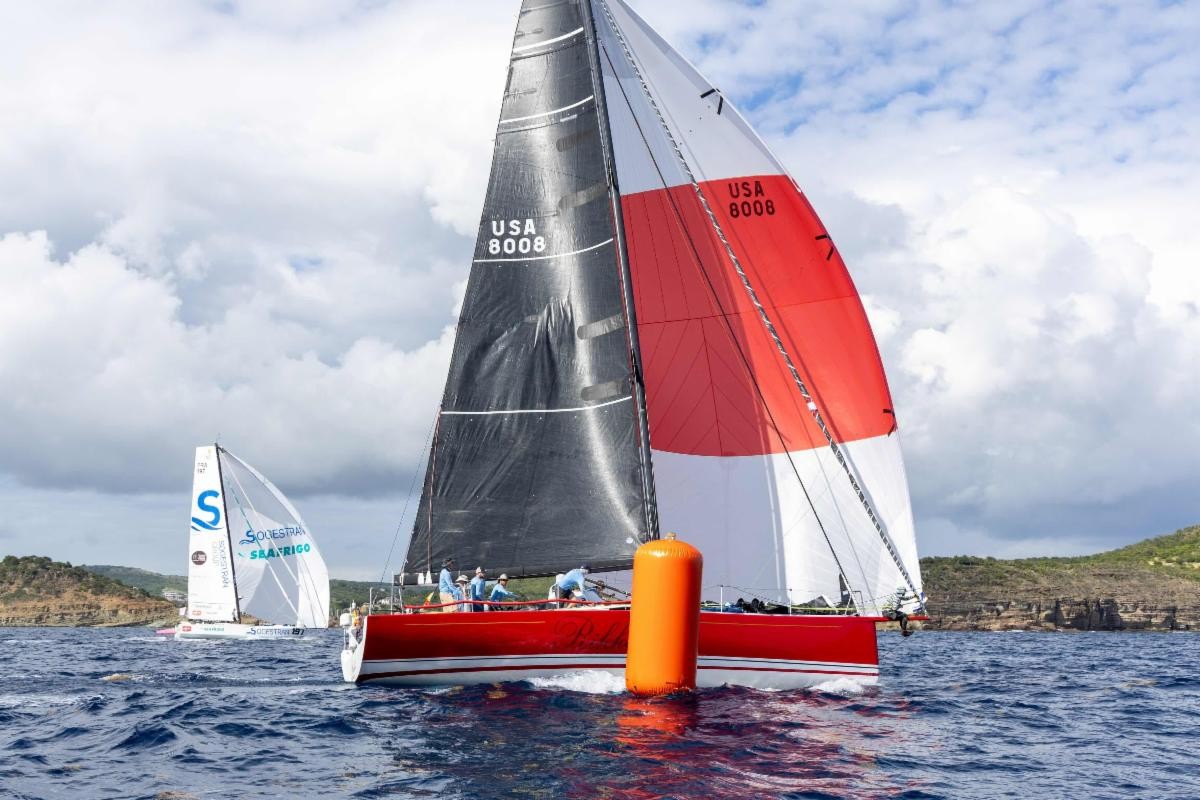
History, however, is made by Speedy Maltese (FRA), the first Mini 6.50 ever to attempt the ‘600. Skipper Timothée Villain-Amirat has radically modified the prototype into a modern scow and raced double-handed with fellow Mini sailor Antonin Chapot.
“It’s a big challenge,” he says. “But with strong wind and a lot of reaching, maybe we can create a David and Goliath story.” Raised in the Caribbean, Timothée adds: “Racing here at this level is the main attraction. We’re praying for good tradewinds and hoping we can stay with the 50-footers.”
IRC Two: Fourteen boats, one fine line
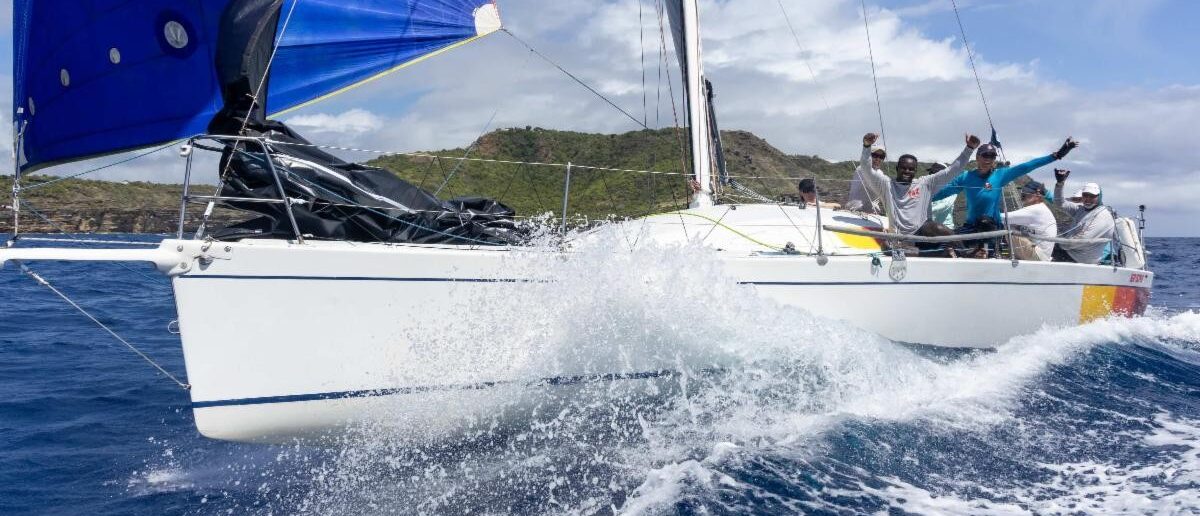
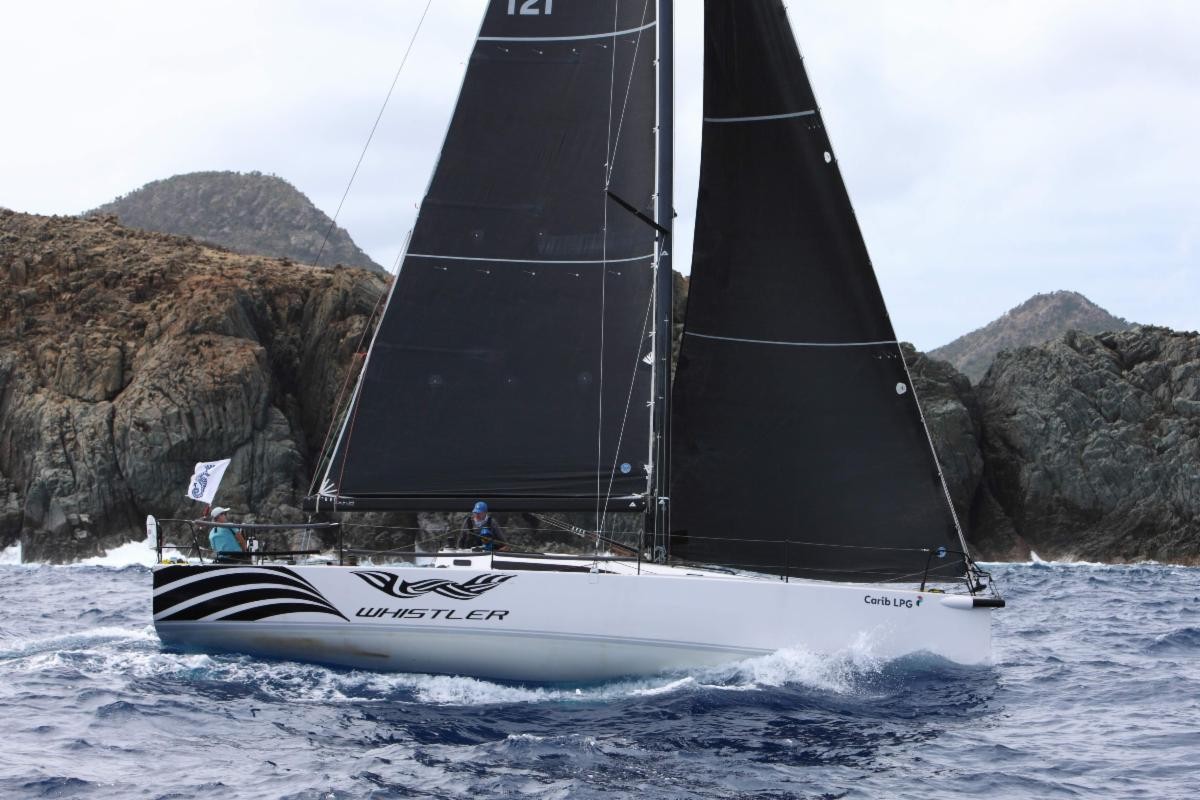
The largest class, IRC Two, featured 14 boats and razor-thin rating gaps – and Xp 44 Heart of Gold (USA) and J/121 Whistler (BAR) are level IRC rated scratch boats.
GS46 Belladonna (GBR) is given just 32 seconds per hour by the pair, while J/133 Bella J (CAN) and last year’s class runner-up J/122 Mojito (GBR) brought proven form to the competition.
Farr 36 High Tension (ANT) was a natural, having competed in the very first RORC Caribbean 600 and the Antiguan skipper Bernie Evan-Wong has been on the start line for every race since.
Richard Dilley’s Belladonna then includes Ross Applebey and members of his Scarlet Oyster crew, and Applebey also brought experience to the fleet, having won class eight times in 11 attempts.
“To win this class you’ve got to get Guadeloupe right, especially in the dark,” says Applebey. “Five knots difference in the trades makes a massive impact in the wind shadows. It’s about clean transitions and fewer mistakes.”
Also racing in IRC Two was Luke Spink’s First 36.7 Blueprint (USA) with a nine-strong international team. Less than a year after being paralysed in a car accident, Spink returned to competitive sailing, winning the 2024 US Para Sailing Championship with Christopher Murphy in the Independence 20 Class.
“Our aim is to complete the race safely and competitively,” says Spink. “The water is the most freeing place there is. On the boat, mobility barriers fall away, the playing field is truly level. Offshore racing proves performance is defined by decision-making, teamwork and seamanship; not physical ability.”
Class40: High speed, high intensity
Five Class40s completed the fleet, hailing from Martinique, Guadeloupe, mainland France and the USA.
Modern scows lined up against earlier generation boats in what promised to be tight tradewind racing. The race is an official Class40 calendar event and an important stepping stone towards the 2026 Route du Rhum. The Class40 course record had been set back in 2018 (Catherine Pourre’s Eärendil – 2 Days, 13 Hrs and 15 Secs).
Matéo Le Calvic’s FPFP (FRA), Robin Follin’s Solano (FRA) and Mike Hennessy’s Scowling Dragon (USA) are all capable of challenging that record.
Matéo Le Calvic hails from Les Sable d’Olonne and is stepping up from the Mini Transat into FPFP “Fair Play For Planet”. The 2022 scow-bow Mach 40.5 designed by Sam Manuard, finished seventh in the last Route du Rhum under skipper Luke Berry, and this has been the first major test for the new co-skippers Le Calvic and Pierre Boulbin.
“Our goal is to discover the boat and do our best,” Le Calvic says. “There are lots of manoeuvres and we’re still learning. It’s about exploring tactical options and driving the boat as fast as possible.”
The campaign is built on cohesion. “We are friends more than just a team. Everyone has complementary strengths. We want to build something strong together,” he adds.
The ultimate Caribbean challenge
Having several years of magnificent racing to its name, this 2026 event looks to be no different, when it comes to a spectacular show of expertise and stamina.
“The RORC Caribbean 600 has grown into one of the world’s premier offshore racing events,” says the Hon. Charles ‘Max’ Fernandez, Minister of Tourism, Civil Aviation, Transportation and Investment, Antigua & Barbuda.
“We are extremely proud to be able to not only showcase the beauty of our waters and the vibrancy of our culture, but to also bring the global sailing community to our shores year after year. Together with our partners, we are proud to welcome sailors from around the world to experience Antigua & Barbuda’s warm hospitality and unmatched racing conditions.”
From titans to trailblazers, every boat in the RORC Caribbean 600 tackles the same 11 islands, the same transitions, and the same relentless tradewinds. The start of the race was Monday 23 February 2026 and is currently is well under way.
-

Advertisement
-
Advertisement
-

Advertisement