

Golden Globe attrition
The 2026 McIntyre Golden Globe Race enters a critical phase as fierce storms, equipment failures and injuries test the remaining solo skippers.
Photography by McIntyre Golden Globe Race
13 November 2026

Advertisement
The 2026 McIntyre Golden Globe Race is entering its toughest phase, with 12 skippers remaining in the main race after almost 60 days at sea, as the fleet approaches the Southern Ocean.
The Golden Globe Race fleet has endured three major storms in 10 days, with winds exceeding 60 knots, damaged equipment and a serious injury forcing another competitor out of contention. Race leader Damien Guillou has meanwhile become the first skipper to pass the longitude of the Cape of Good Hope.
Sixteen sailors departed Les Sables-d’Olonne, France, on 6 September for the solo, non-stop circumnavigation.
Advertisement
After sailing up to 8,000 nautical miles, much of the fleet still faces approximately 20,000 nautical miles before reaching the finish.
The race is contested in traditional, long-keel yachts using paper charts, sextants and windvane steering, without modern electronic navigation or outside assistance.
Storms test skippers
Israeli skipper Daniel Pinsky has faced some of the most challenging conditions aboard his Baba 35, Exodus, reporting winds exceeding 60 knots and enormous breaking seas.
Forced to hand-steer under bare poles, Pinsky battled freezing conditions as waves swept across the yacht, damaging his self-steering equipment and storm-sail fittings.
I have been through storms like that before. Nevertheless I was afraid,” Pinsky reports.
With further heavy weather approaching, he climbed the mast to recover a lost storm-jib halyard before resuming his course.
By 30 October, Pinsky reported that Exodus was back in shape and sailing well.
British skipper Henry Wootton has also endured repeated storms aboard Privateer, with breaking waves sweeping over the stern and water entering through the companionway.
Wootton’s brief message to Race Control, “SKPR SOH FAILURE”, or Skipper Sense-of-Humour Failure, reflects the growing physical and psychological demands of the race.
Swiss skipper Etienne Messikommer, sailing Bernard, has encountered the largest seas of his sailing career.
“40+. Storm sail. Biggest sea I ever saw, beautiful & scary. Eating Haribos. Saw first albatross,” he reports.
Injury ends campaign
American skipper Guy deBoer has been ruled out of the race following a serious accident aboard Spirit.
DeBoer, who had previously completed extensive repairs in Lanzarote, suffered a head injury and other injuries after being thrown across the cabin during a violent fall.
The injuries left him struggling to perform essential tasks aboard the yacht.
On 4 November, following medical advice, Race Management declared deBoer unfit to continue, including in the event’s Chichester Class.
He remains aboard Spirit, receiving weather guidance while arrangements for a safe destination are considered.
His withdrawal follows the retirement of Irish skipper Pat Lawless, whose campaign ended on 17 October following a serious Solent-rig failure.
Lawless had been running second, just over 100 nautical miles behind Guillou, before the damage forced him out.
French sailor Louis Kerdelhué, the youngest starter at 21, also retired in Recife after a prolonged battle with the Doldrums left him physically exhausted and more than 10 kilograms lighter.
Guillou leads south
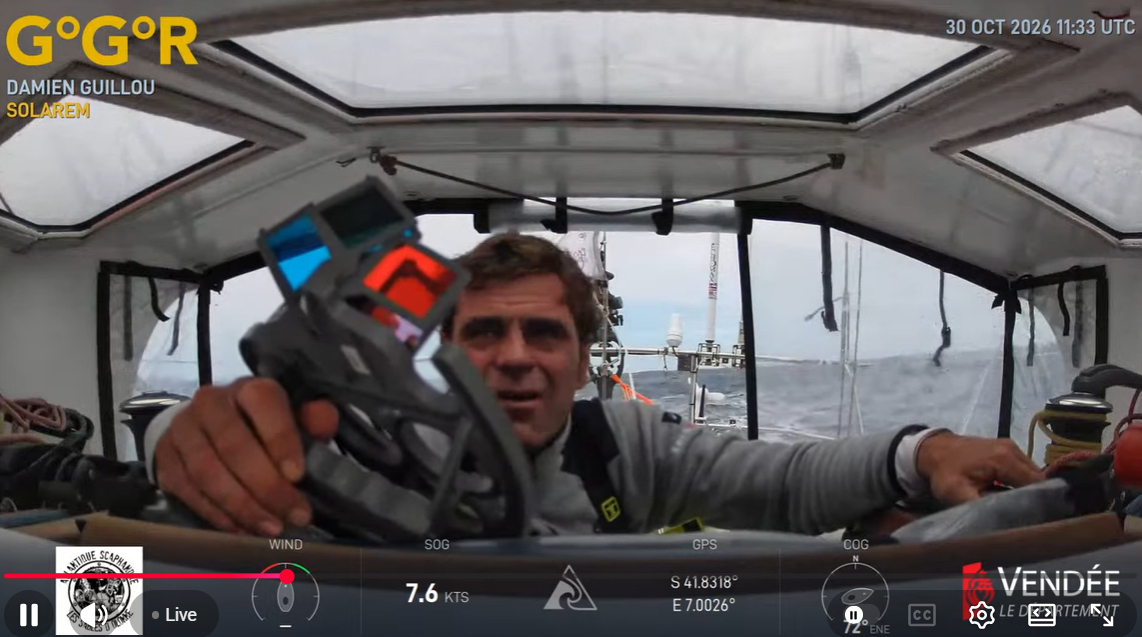
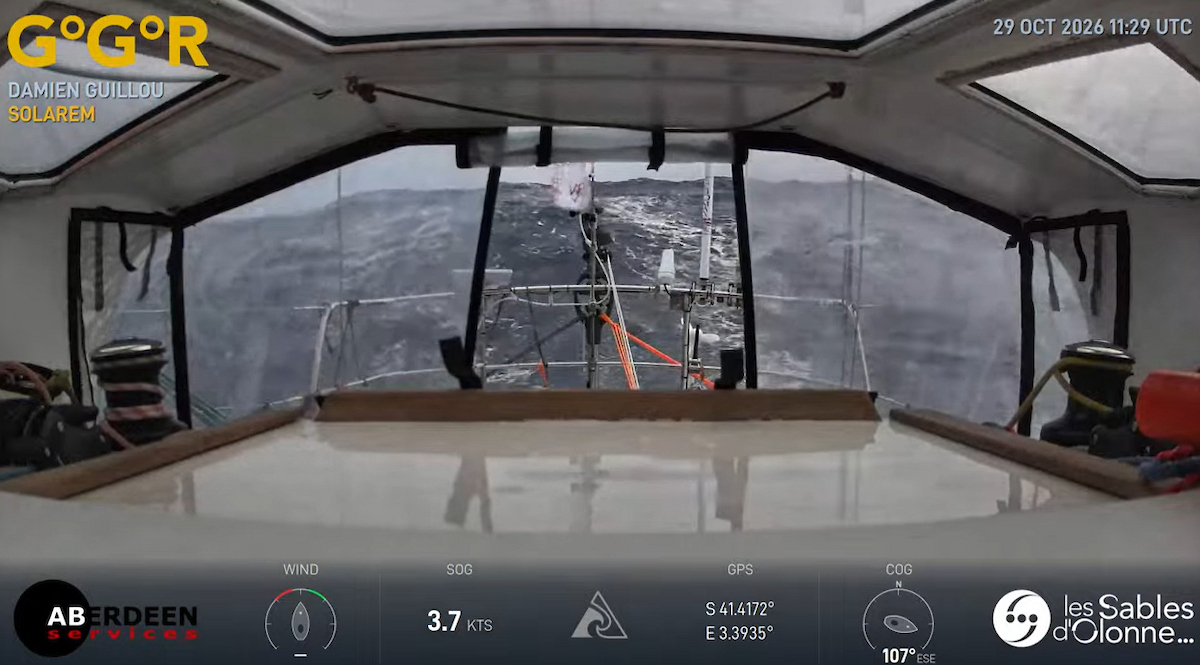
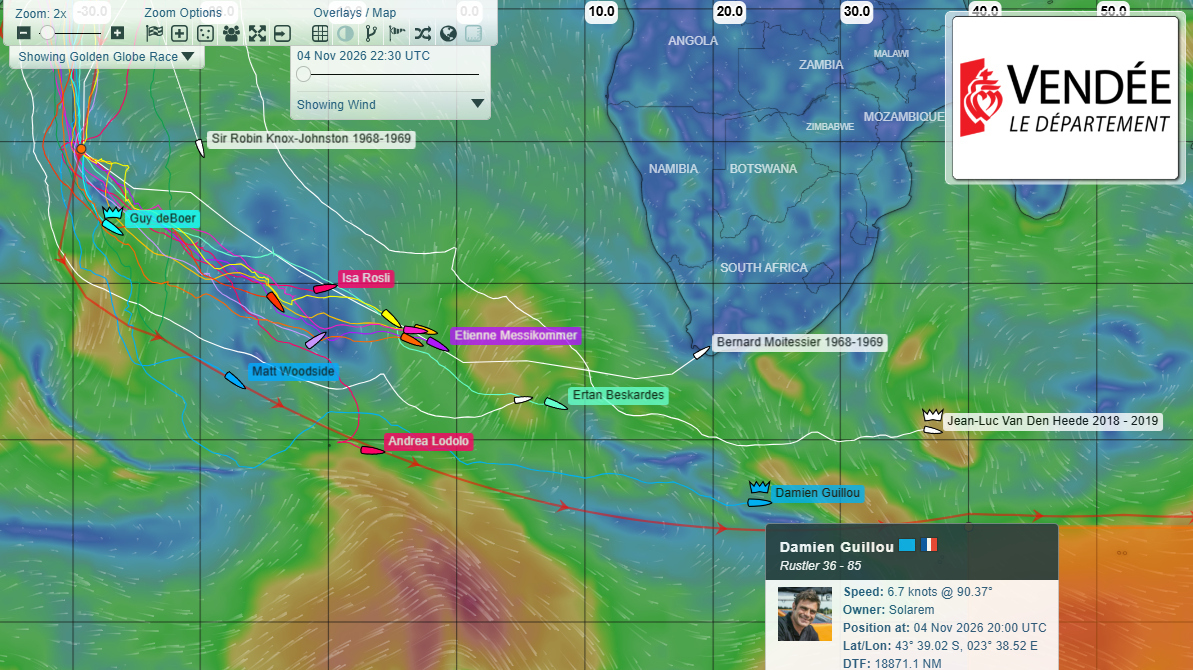
French skipper Damien Guillou reached a significant milestone on 3 November, becoming the first competitor in the 2026 fleet to pass the longitude of the Cape of Good Hope.
Sailing his Rustler 36, Solarem, Guillou continues to lead the fleet towards the Southern Ocean, where increasingly severe weather is expected to test both the skippers and their yachts.
The milestone carries particular significance for Guillou, whose 2022 Golden Globe Race campaign ended in disappointment in the southern latitudes.
Behind him, the chasing fleet faces difficult tactical decisions.
Italian skipper Andrea Lodolo, aboard BiBi, has been forced to sail west to avoid a powerful low-pressure system before turning east again.
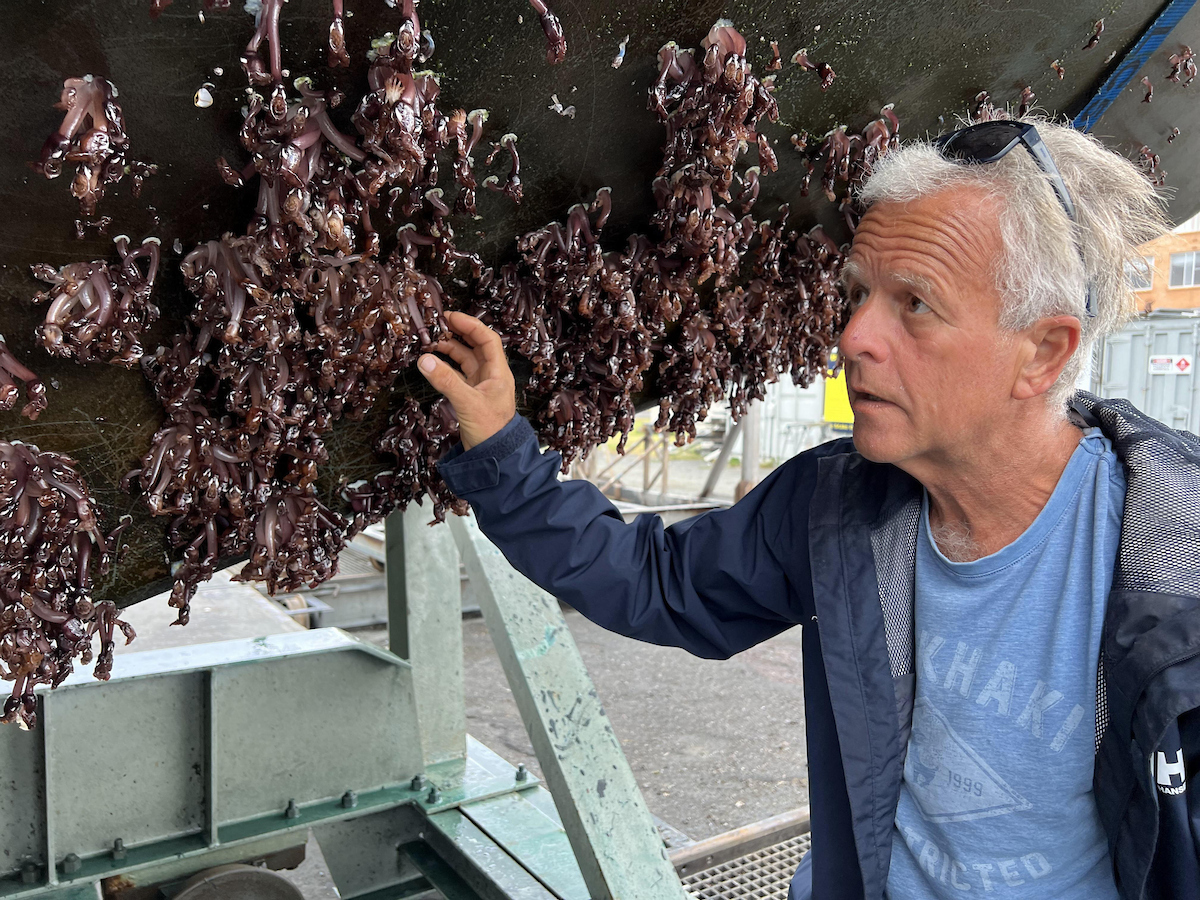
Canadian Isa Rosli has spent hours in cold water removing extensive barnacle growth from the hull of Olleanna, attempting to recover lost boat speed.
American Matt Woodside, sailing Tipi Haere, has adopted a more southerly route in search of stronger winds, accepting greater exposure to severe conditions.
Isolation takes toll
Beyond the physical challenges, the prolonged isolation is becoming an increasingly significant factor.
The Golden Globe Race’s Window LIVE system provides viewers with one-way glimpses of life aboard the yachts, revealing the skippers’ daily routines, repairs, frustrations and moments of reflection.
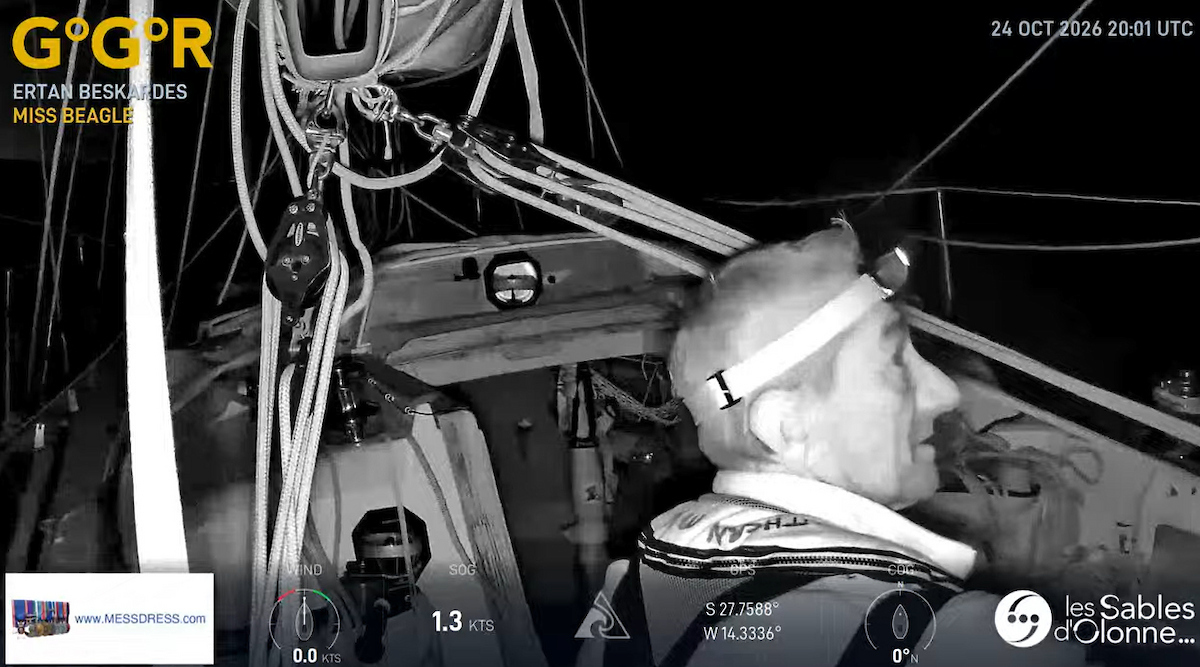
British skipper Ertan Beskardes, aboard Miss Beagle, regularly shares his thoughts from the cockpit, while American Gunnar Christensen, sailing Pompoen, discusses the constant decisions surrounding sail selection and changing weather.
For others, the isolation brings deeply personal moments.
Woodside recently marked the birthday of his late wife, Sarah, alone at sea, while Norwegian skipper Mara Løvenskiold Kveseth sent an anniversary message to her husband from Showgirl.
With several months of racing still ahead, the psychological demands of the circumnavigation are expected to intensify.
Southern Ocean awaits
The remaining competitors face the Indian Ocean, Great Australian Bight, Pacific Ocean and Cape Horn before returning to the Atlantic.
The next three to four months could prove decisive as the fleet encounters the powerful weather systems of the Southern Ocean.
For the skippers still racing, success will depend not only on boat speed and seamanship, but also on their ability to manage equipment failures, exhaustion and prolonged isolation.
With most of the circumnavigation still ahead, the 2026 Golden Globe Race is far from decided.
-

Advertisement
-

Advertisement
-

Advertisement
