

Cahalan on course
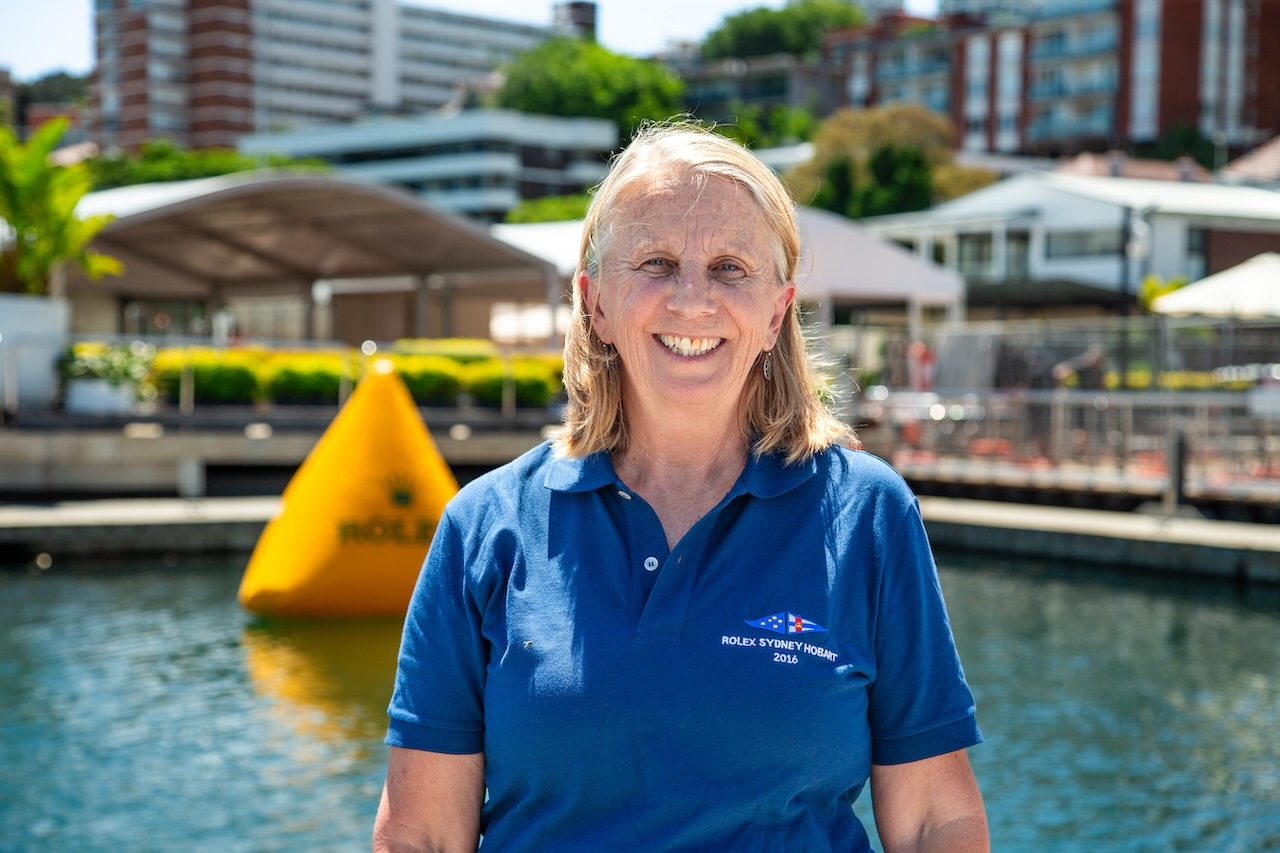
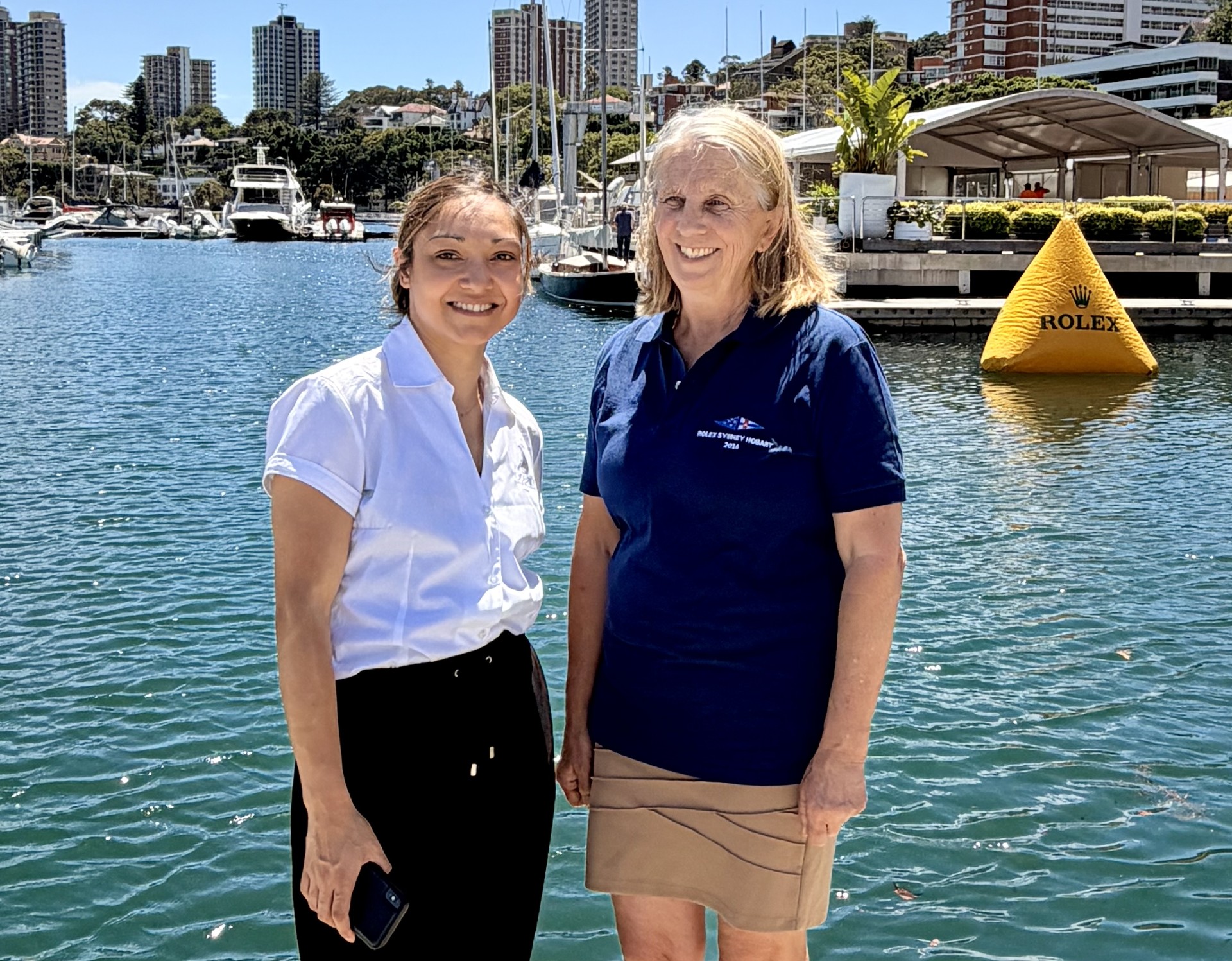
As the iconic Rolex Sydney Hobart Yacht Race prepares to celebrate its 80th edition, and sailors ready for the ‘Great Race South’, Sails sat down with Adrienne Cahalan – the most decorated female competitor in the event’s history, having completed 32 of these races so far.
Written by Daniela Aroche
26 November 2025
Advertisement
Few sailors have raced the Rolex Sydney Hobart Yacht Race as many times as Adrienne Cahalan – and none can claim her title as the most decorated female competitor in its history, as well as a navigator whose career has helped shape the modern era of offshore racing.
From her record-setting triumphs to her repeated mastery of the race’s most demanding tactical moments, Cahalan has built a reputation defined by precision, resilience and an instinctive feel for the rhythm of the sea.
Along the way she has been widely recognised for her achievements – such as being a four-time finalist for International Yachtswoman of the Year and named Australian Yachtswoman of the Year in 2002–03. She’s also broken multiple records in her career – including having helped Maiden II set the 24-hour distance record in 2002, steered Cheyenne to a round-the-world speed record in 2004, and served as watch leader on Nicorette when it broke the Transatlantic record in 1997.
Advertisement
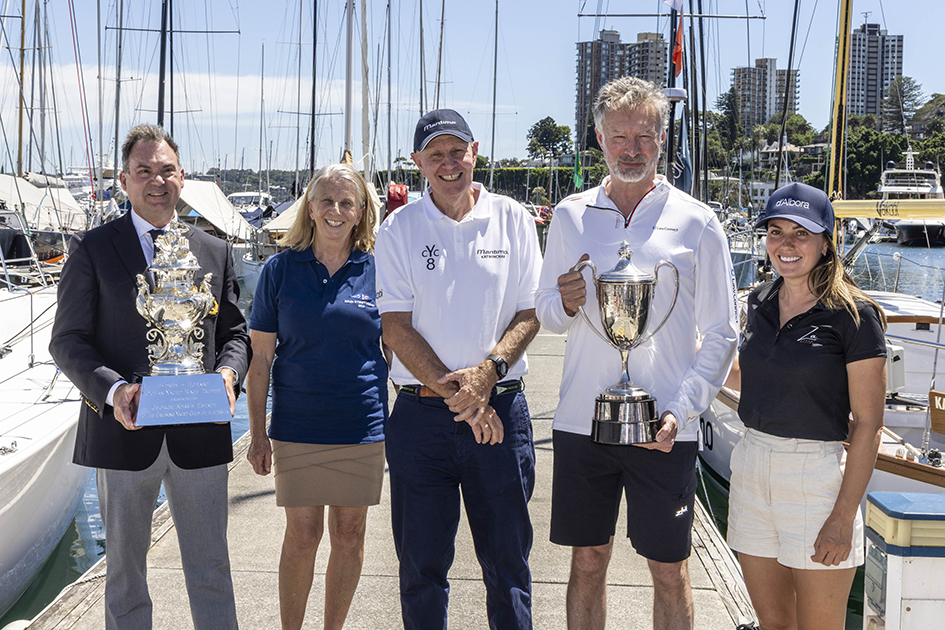
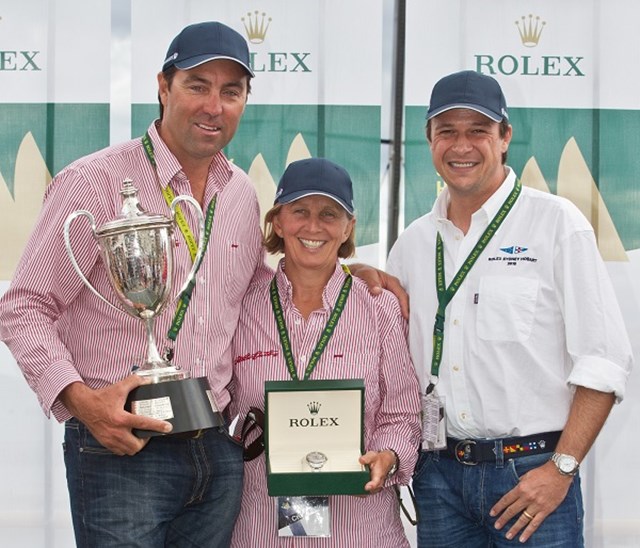
A champion skiff sailor since her early career, she has also guided Palm Beach XI (ex-Wild Oats XI) to five line honours victories overall – including two historic trebles – and holds six Hobart line honours plus two overall wins, cementing her as one of the greatest offshore navigators of her generation.
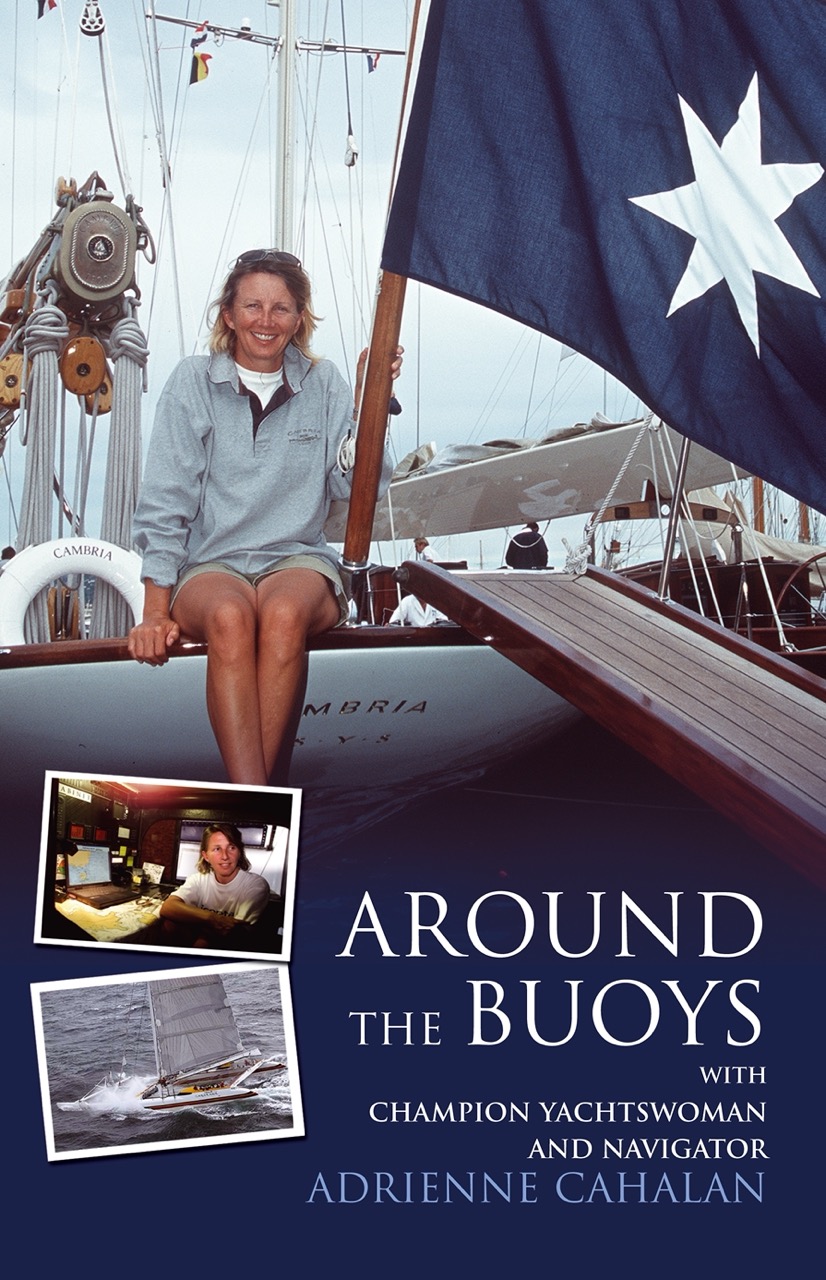
Beyond her racing achievements, Cahalan has also shared her experiences in print, writing a book chronicling her extraordinary exploits, and continues to inspire a generation of sailors with her skill, strategy, and passion for offshore racing.
Now, she’s getting ready to do it all again, returning to the start line of the Sydney Hobart to chase new records and add another remarkable chapter to her already legendary story.
Eight decades on, the course of this captivating and legendary ocean race remains unchanged – 628 nautical miles from Sydney Harbour, along the east coast, across Bass Strait and down Tasmania’s eastern seaboard – yet every year the race rewrites itself.
Evolving yacht designs, increasingly sophisticated weather models, and a fleet that now draws from every corner of the world continue to raise the bar for navigators and crews alike.
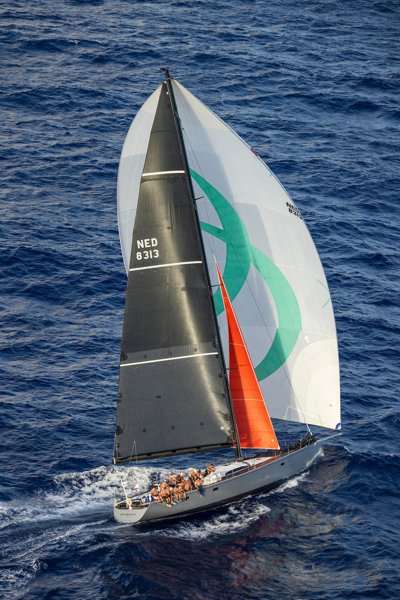
This year, Cahalan will return to the start line aboard the international entrant Aragon, not only bringing with her more Hobarts than any woman before her, but with her depth of experience overall matched by only a handful of sailors in the race’s 80-year story.
As the fleet prepares to contest this milestone edition, her insights via this exclusive interview with Sails offer a rare window into how the race is changing, how navigation continues to evolve, and what continues to fuel her passion for one of the world’s most demanding ocean races.
Here, Cahalan also reflects on the navigational challenges shaping this year’s race, how her strategic mindset has developed over decades of competition, and her perspective on the diverse fleet lining up for the historic 80th.
Additionally, she shares her thoughts on the former Wild Oats XI, now Palm Beach XI, her personal mental preparation for elite-level offshore racing, and opens up about the legacy she hopes to pass on to the next generation of women navigating the offshore world.

Sails: What are the challenges you need as a navigator on board a racing yacht?
Basically, with the navigator’s job, it depends on what boat you’re on. If you’re on with a little crew – six, for example – like Elizabeth [Tucker’s] boat First Light – then you might find that each person is able to navigate, and they’ll all play a role. Whereas I’m mostly on boats where it’s a larger crew, of 12 plus – and in that case, the navigator plays a more specific role.
It’s a little bit like the people in the garage of the Formula One – you’re there with all the screens, the graphs and lines, looking at the performance of the boat, plus the computer where you source all the weather information from. The role that I’ve got is, to some extent, responsible for a lot of the compliance and paperwork – associated with the entry, and then with the way the certificates work, and also the weather. You’re the primary source for all the forecasting, then also for all the performance analysis about how the boat will actually go relative to the weather forecast.
Then during the race, it’s about updating all those things. With some races, you think: “I’ve seen this happen before, I know how this might play out”. But other races, you’ll leave the dock and go: “Wow, it’s a very volatile and unstable situation” – and you’re not exactly sure what you know, or what’s going to happen. So you have to think on your feet, and be confident in making decisions.
The other thing which is very important is the communication with the crew, because you’ve got a whole lot of things in your head – but what you’ve got in your head, you’ve got to communicate to the crew, so they can execute the plan. Plus, everybody’s different. You’ve always got a different team, different personalities, business structure, and different levels of experience. So that’s also what makes the race different each time you do it.
What is it that keeps on drawing you back to this race?
I think there are a few elements.
If you start from the most basic point – I’m a professional in the sport. Still not as full time as I once was, but I’m still part professional. The other thing is the race itself. Because it really is one of the toughest races, and also one of the most prestigious races in offshore, ocean racing.
I’ve just always been lucky also that it takes place in Sydney Harbour, so I don’t have to be away from home for Christmas. That’s hard for a lot of the crews, and particularly with families.
The third thing is just the challenge of it all, and the level of the level of change that happens. For example, in the early days – 40 years ago, when I first did it – where there were very few navigational tools available, and it was very much about intuition. Whereas now, all the equipment and information is very highly sophisticated, so you’ve got to have grown with the sport. Each race is part of that journey.
Then, of course, there’s the incredible social side of it. It really is a great community, lots of friends. One of the great things about this race is that a lot of people come together at the end of the year, and it’s where you see everybody meet and talk and it really is like a big family. With that, of course, there’s also a bit of sibling rivalry, like with all families! But, other than that, I think that everybody also has this common goal to get to Hobart, and hopefully win, and get a good result. At the end of the day though, just getting there [to the finish line] is a huge achievement.
Plus, in this day and age, with the level of compliance required, just participating and competing is a huge achievement every time.
As you prepare for this race, what new navigational challenges or weather patterns are you anticipating compared to previous editions?
It’s still 30 days to go to the race, so we don’t have a real sense yet – aside from seasonal outlooks, and what the forecast will be.
Some races, two weeks out, it actually is correct and it just goes like that, and all models agree. But the challenges really are that this race is focused not just on your own personal ability, but equipment as well – and that’s a real challenge in this race, keeping the equipment working.
The marine environment is very harsh on equipment. You’re there in your start line, you’ve got the deck screen, you’re counting down (particularly on the 100 footers) 30 seconds to the line, and you just want to make sure that deck screen doesn’t go down!
To some extent, there’s a bit of anxiety about that, and hoping that everything goes okay, but all you can do is just prepare as best you can. We’re lucky in Sydney though, that we’ve got some incredible professionals on the marine electronic side who are absolutely dedicated. So, we’re very lucky to have that support team behind us.
How has your approach to strategy and decision-making evolved, and how does that influence Aragon’s campaign this year?
I’m new to the Aragon team, so I don’t know some of the crew, not all the crew yet – and I don’t really know the boat yet either, although I’ve been given the performance data and everything. So that’s going to be something new for me – which is one of the things I really like, something new. And it’s a cruiser racer, so adjusting everything to accommodate for that is going to be something to look at.
I’ll be guided by them a lot as to how what needs to be done, and then what I can bring to the table, seeing as I’ve done the race many times, and what my contribution will be in terms of local knowledge, how to get there, and what the tricks are of the trade are!
With Aragon entering as an international competitor, how are you integrating global weather modelling with local knowledge of the Tasman and Bass Strait to shape your routing plans?
I work every year with forecasters. And Roger ‘Clouds’ Badham has actually forecasted this race every race I’ve done it. He’s an incredible person, so I’ll be working with the weather team and then it’s just really a matter of – you’ve got a set of skills, you’ve got a set of data, then integrating the two and making it work.
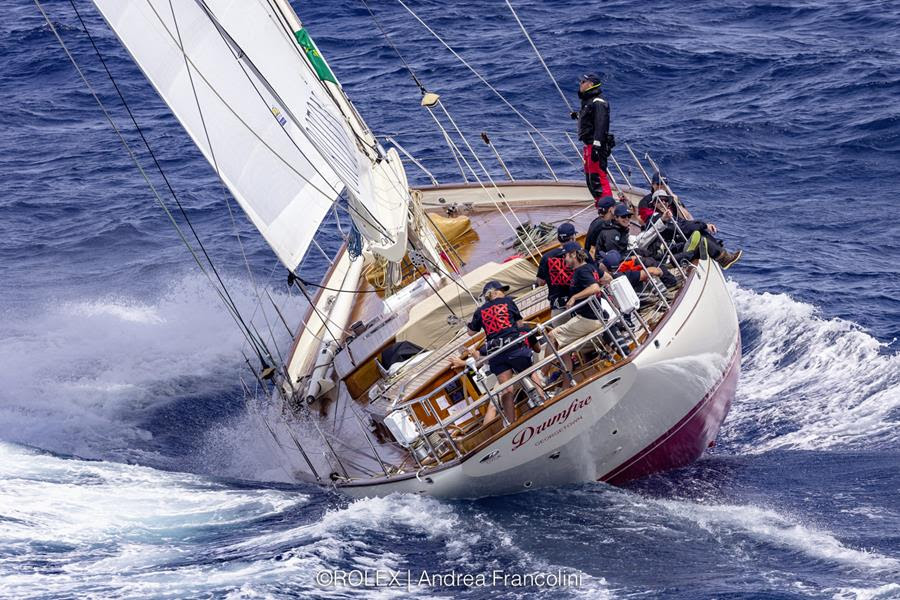
The fleet continues to grow more diverse in design and performance profiles – how does that impact tactical positioning and the critical choices a navigator must make during the early stages out of Sydney Heads?
There are always fleet dynamics, and that’s very interesting – because often in preparation, we discuss who we think our competitors are, and where we want to position ourselves in relation to them. That is a big factor when you’re racing. You’re thinking yourself: “Okay, we need to beat them by this much. So are we going to let them go?”
Tracking has come into it a lot the last decade. Prior to that, you only really knew once every six hours where everybody was – whereas now you can see everybody make a move. So that’s changed the dynamics incredibly.
It means that the fleet is much closer together, but then you might get someone who takes a ‘flyer’. So things like that come into it. You’ve got to think about: Do you follow them? Do you let them go? Do you cover them? Those things are all part of the tactics overall. And, of course, there are also the discussions that take place between you and the team when you’re at sea, that’s all very important too.
You’re not sailing on board Palm Beach XI [ex-Wild Oats XI] this time, but you’ve had such a great history with that boat, what does it mean to see it back contesting this race, after a few years out of the water [and with its new modifications]?
I think the whole sport is thrilled to have her back on the water. It’s such a beautiful boat, and very special to sail on. And I know the Oatley family aren’t the owners this year, but there is certainly continuity with Mark Richards – and that team has always been focused on development, and taking a new approach in terms of not just equipment, but team and strategy.
It’s great to see them come to start line with a whole new configuration, plus more appendages than you’ll ever see on one boat – and I do wonder how the navigator is going to cope with that! But I think it’s so great that it’s a development sport, and people are able to go out there and try new things.
I’m really looking forward to seeing it [Palm Beach XI] – it’s coming out of the shed in the next few days, and I think just having that aspect will add a whole new dimension to what the forecast will be, and how boats will respond to it. But yes, it’s got a special place in my history.
On a similar note, how is Aragon different from other yachts you’ve raced on, including Palm Beach XI [ex-Wild Oats XI]?
That’s like saying how’s a Ferrari different to Aston Martin or something! Each of them have their different performance characteristics. Palm Beach XI (ex-Wild Oats XI) is a 100, and it’s now got some appendages and things which will change the performance characteristics too.
Aragon is not, it’s a much simpler boat – but it’s from a similar designer who I really enjoy. Reichel-Pugh Yacht Design. So yeah, they’re a great designer, and they often specialise in the downwind type boats. And I’ve won many races on boats designed by them, so I really enjoyed sailing on their boats too.
How do you prepare mentally and emotionally for the race?
It’s a bit to go just yet – but it’s probably really in the last week that the pressure gets on. You feel the pressure the whole race though, because there’s a lot that you’ve got to do to get through it, and finish as a navigator. But it is probably more in the last week when you start to think: “Ok, I’ve got to lock in here, and stop Christmas shopping, and start focusing!”
As a trailblazer for women in offshore racing, what advice would you give the next generation of navigators watching this year’s race?
Well, there are a couple of female navigators in this year’s race who’ll be sailing with people who’ve done a lot before. I think it’s really about the interaction and learning from the others on board, and having confidence in your own ability. By the time you’ve done a couple of these races, you should have the confidence to make your own decisions – and that’s what it’s about.
As navigator, you have to hold your ground. If you make a recommendation to the crew, technically or performance-wise, and it’s a considered decision you’re confident in, then back yourself and go for it.
Having completed 32 of these races, do you still get nervous about it?
I think yes, particularly, if there’s a forecast that’s quite challenging, like last year. But I think it’s good to be, because this is a very, very challenging stretch of water between Sydney and Hobart – and there’s no room for complacency.
-

Advertisement
-
Advertisement
-

Advertisement