

Martinique bound
79 yachts have started the Transat Jacques Vabre 2021 from Le Havre, France, bound for the Atlantic.
08 November 2021
Advertisement
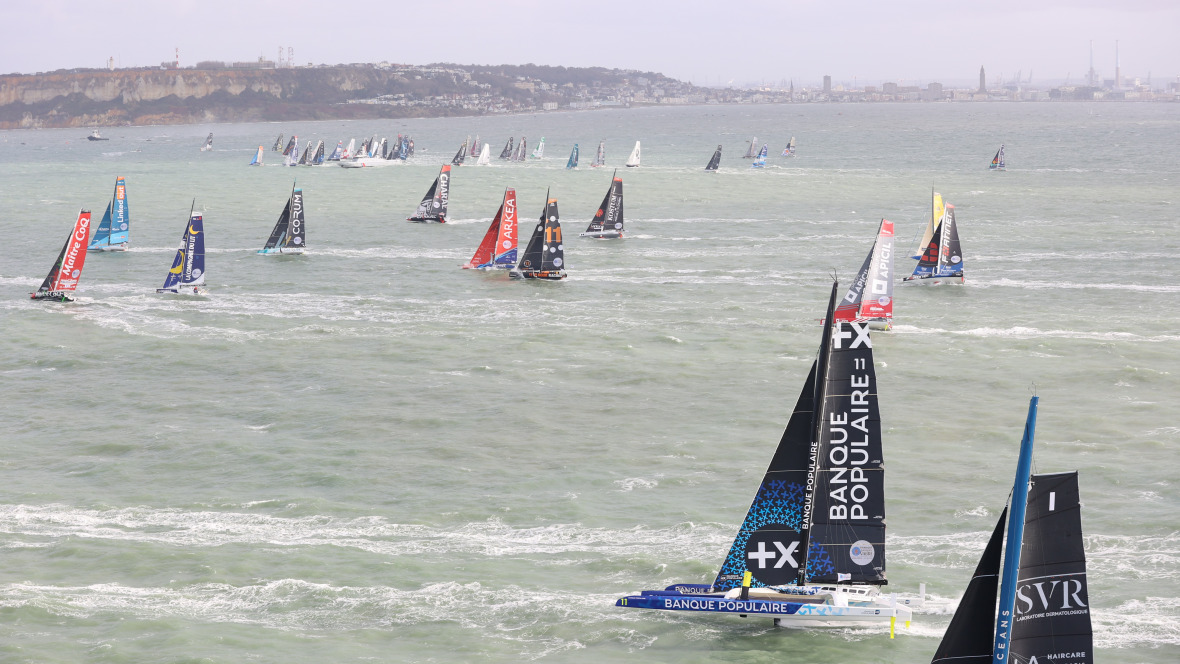
The sun shone, the wind blew and 79 boats got off the start line at Le Havre bound for Martinique. The four classes headed, first of all, to a turning mark before heading through the English channel.
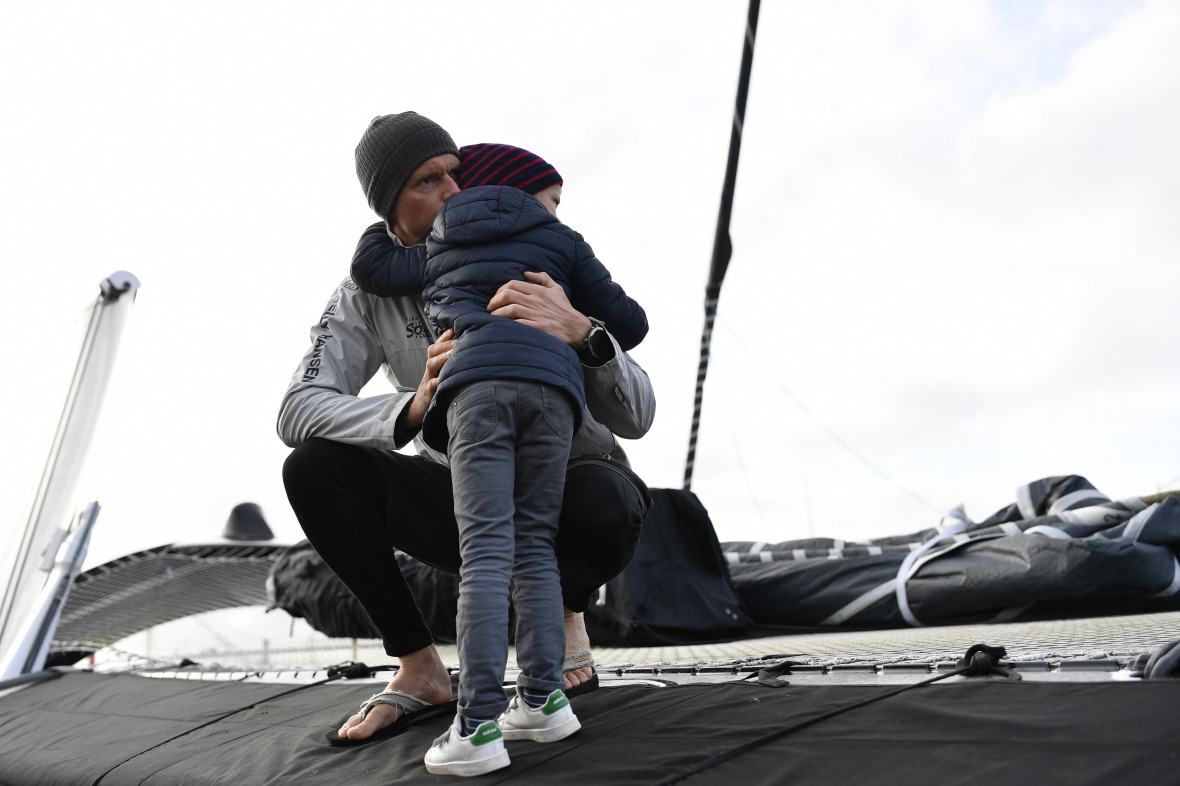
There was an emotional send off for the crews as they left the Le Havre docks, with family and fans shouting them on.
For its 15th edition, the Transat Jacques Vabre Normandie Le Havre is injecting fresh impetus into the race, bound for Martinique!
For the first time in its history, the Transat Jacques Vabre is heading out to explore the West Indies.
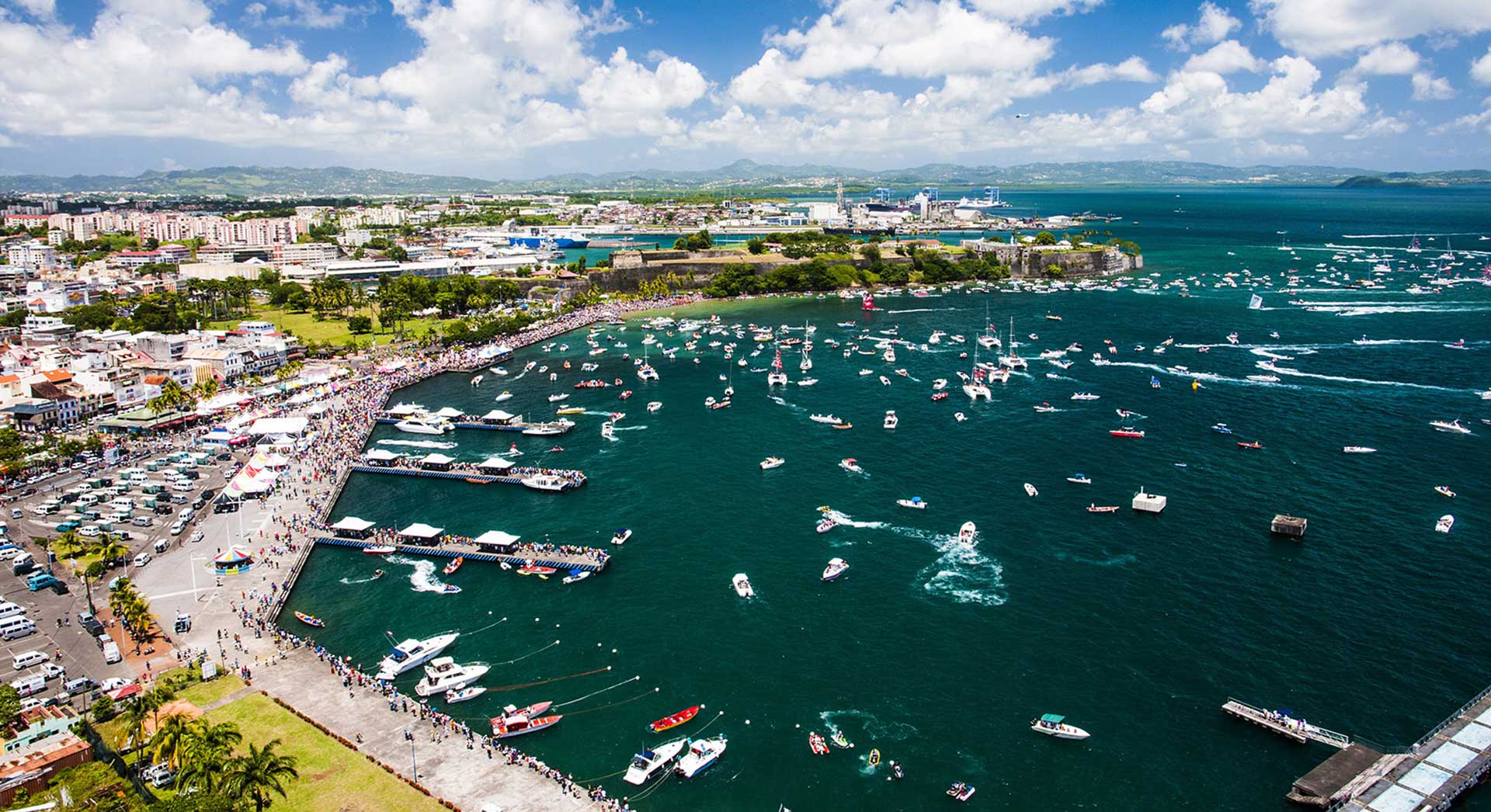
Indeed, it’s Fort-de-France Bay, which will host the finish of the longest and most demanding double-handed transatlantic race, in what promises to be a sensational spectacle.
Advertisement
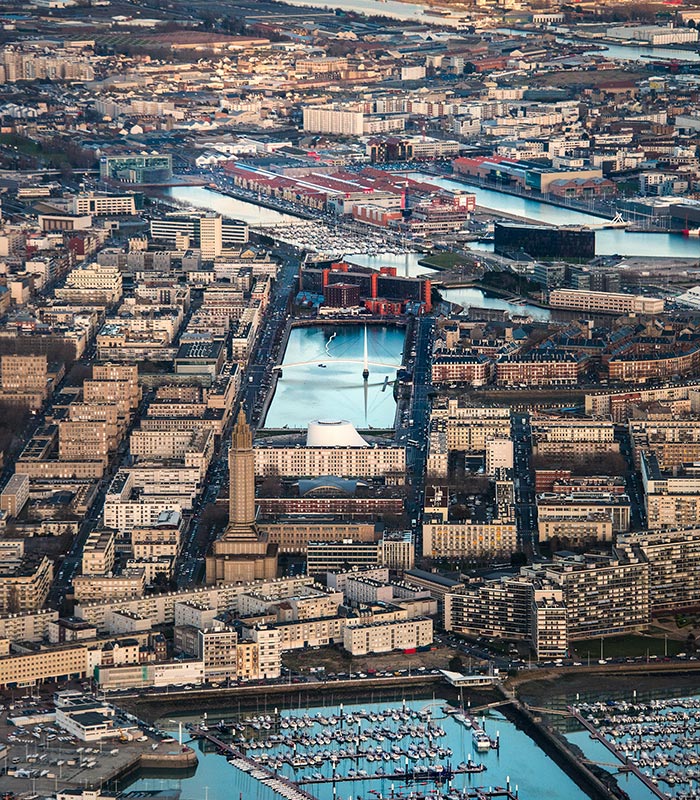
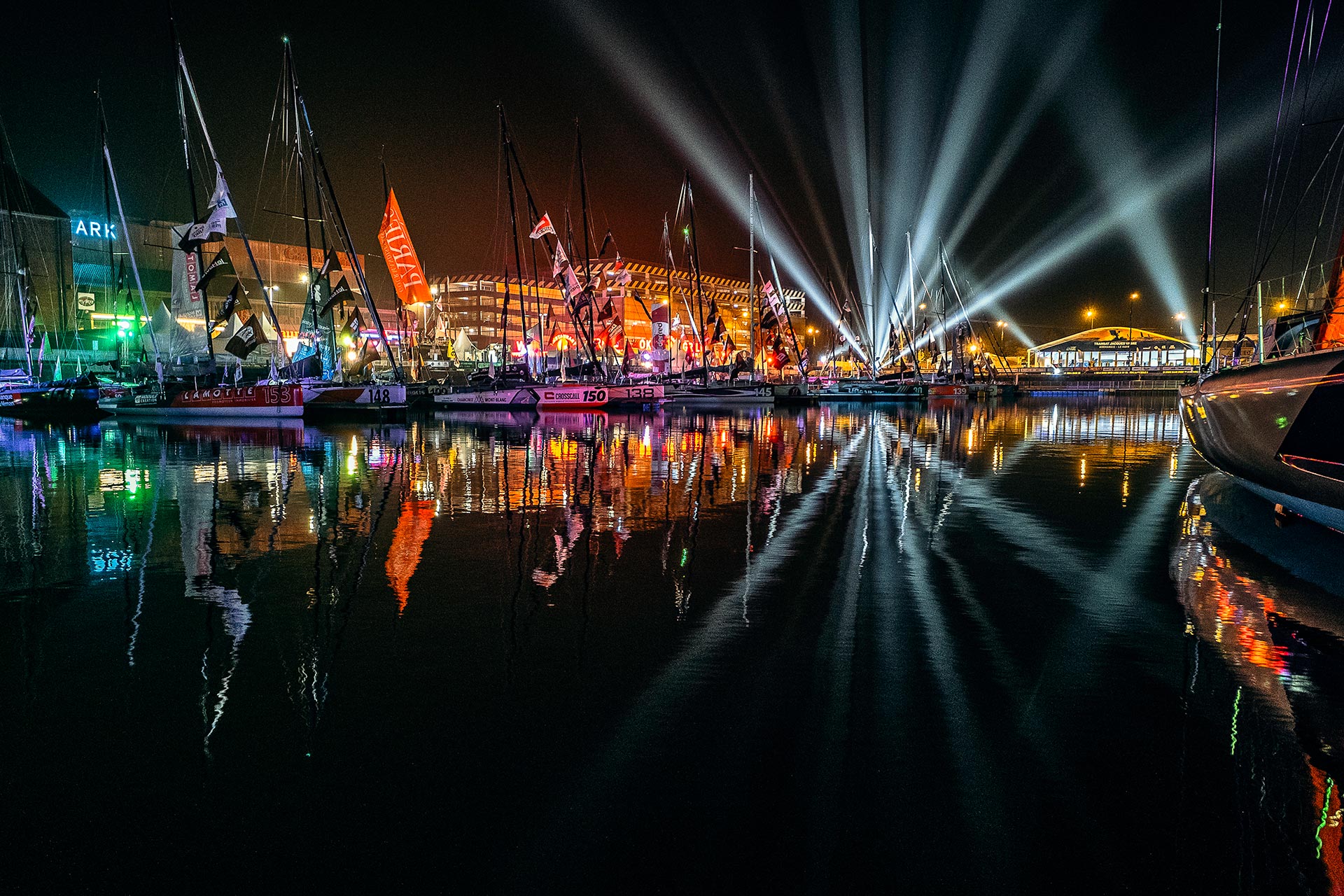
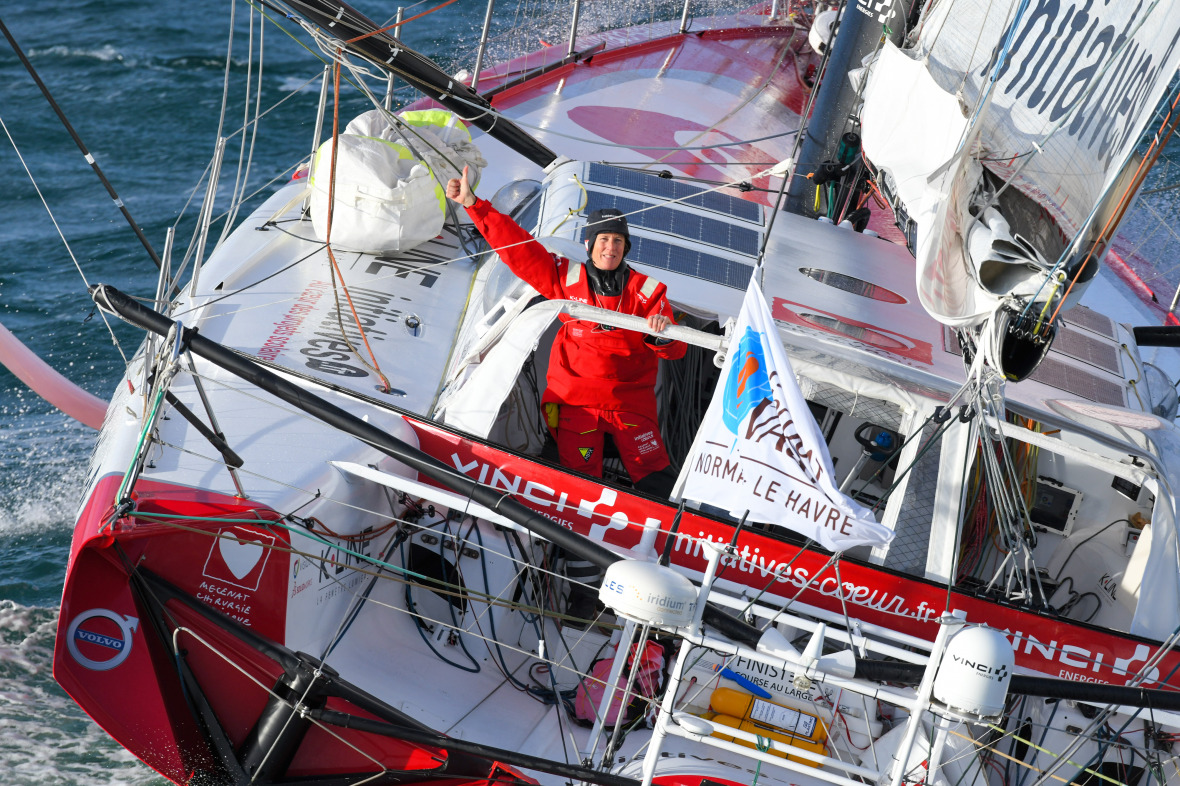
The historic starting point remains the same: the Bassin Paul Vatine in Le Havre. In 2021, the founding members of the race, namely the City of Le Havre and JDE group, will be assisted with the organisation of the event by the Normandy region.
Today, above and beyond being a race, the Transat Jacques Vabre Normandie Le Havre aspires to become an event. As such, it is eager to make the most of its considerable renown and turn it to good account, to inspire, to encourage and to pass on a message.
At the forefront of these new ambitions is the desire to break new ground in terms of environmental issues. This commitment to CSR (Corporate Social Responsibility) is evidenced by the fact that the Transat Jacques Vabre Normandie Le Havre will launch two innovative programmes: a competition (open to start-ups and students) to showcase projects promoting a reduction in our carbon footprint, together with a conference on good environmental practice.
Moreover, the fresh impetus championed by the new Transat Jacques Vabre Normandie Le Havre team will be used to support the feminisation of offshore racing, by encouraging a project helmed by a female sailor, who would like to participate in her first transatlantic race. Finally, the Coffee Route 2021 version also intends to strengthen the links between real sailing and virtual racing, by officially integrating a fifth Virtual Regatta class.
The weather conditions were ideal for the start of the race. The boats were able to hit a north-westerly wind between 15 and 20 knots on a choppy sea lit by beautiful sunshine – a perfect backdrop for TV viewers across France and around the world.
The 5 Ultimes, 7 Ocean Fifty, 22 Imoca and 45 Class40s pointed their bows towards Etretat to round the first course mark before setting course towards the Atlantic. A long journey lies ahead; 7,500 miles for the largest and fastest class, the Ultimes. The IMOCA and Ocean Fifties will sail around 6,000 miles with the smallest and slowest Class 40s completing around 4,500 miles.
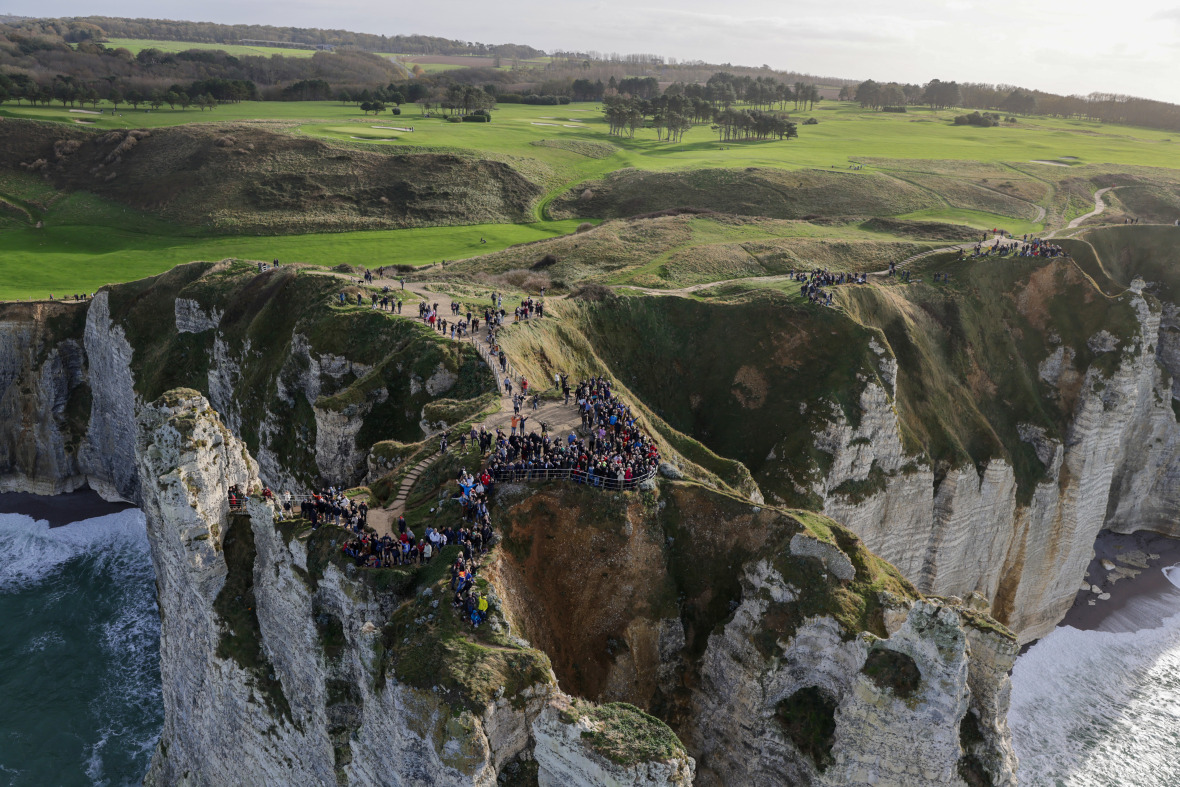
The fleet set-off on port tack heading to a turning mark off the village of Etrat, where hundreds of fans lined the white cliffs for a perfect view of the boats screaming in towards them. Then they turned to head west along the busy English channel where they face a tricky night of strong currents and lightening breeze. Decisions taken in these early hours of the race may prove crucial to the outcome.
Paul Meilhat and Charlie Dalin winner in 2019 aboard IMOCA (Apivia) said “We know that we will have a lot of work to do on the weather after we leave the dock because the situation is not easy”.
“These are conditions where the weather choices will be more important than the boat performance. It will be interesting, even if it will be very tricky. It’s more like a Figaro than an Imoca at the start of the race.”
Ian Lipinski, race winner in 2019 on board Class 40 (Crédit Mutuel) added “We are in a great state of mind”.
“We are happy to get going. The atmosphere during the 10 days in the village in Le Havre was great but we are also looking forward to leaving.
“We are going to be careful on the water as there will be a lot of boats at the start. Once we get past Etretat we’ll breathe easier! It’s going to be interesting from a strategic point of view, we’re going to have to stay focused and lucid.”
The race set sail off Sainte-Adresse, to the north-west of Le Havre. One to two hours later, the fleet will reach the Etretat mark, celebrated as the perfect vantage point for spectators. Indeed, the Transat Jacques Vabre Normandie Le Havre always kicks off with a show sequence before heading offshore.
The first section of the course involves a common-core syllabus for all the different classes. This will start with the exit from the English Channel, either by hunting down a trajectory along the English coast or skirting the Cotentin peninsula, according to the weather conditions.
In the English Channel and at the north-west tip of Brittany, the skippers will have to be on their guard against the abundance of shipping.
Next up will be the negotiation of the Bay of Biscay, which can sometimes be a theatre for quite potent gales in November. Once around Cape Finisterre, the sailors will drop down the North Atlantic in a bid to hook onto the trade wind. It’s here, to the south of the Canaries, that the three courses will part ways.
The Ocean Fifties and Imocas will both set a course towards the Brazilian archipelago of Fernando de Noronha, in a nod to the race’s historical destination.
The complete circuit equates to 5,800 miles. These boats will cross the equator twice over, which translates as two passages through the doldrums, though the second, further out to the west, should be less hazardous. The Ocean Fifties are expected to be first into Fort-de-France after 12 to 15 days at sea. Meantime, the Imocas could take 14 to 17 days.
The course adopted by the Class40s will be shorter in distance at 4,600 miles. They’ll have to leave the island of Sal to starboard, at Cape Verde, before powering eastwards to Martinique. They won’t have to negotiate the doldrums or the equator so the Class 40 circuit should be completed in 17 to 22 days.
Finally, the course for the Ultims, the fastest boats on the circuit, is inevitably the longest: 7500 miles.
The designated waypoint rounding is another Brazilian archipelago, off the coast of Rio de Janeiro : Trindade and Martim Vaz. Here too, the crews must double up on their passages across the equator and through the doldrums. They are estimated to finish after 16 to 17 days.
Erwan Le Roux in the Ocean Fifty (Koesio) commented “We are focused”.
“It’s important to enjoy the last moments with your family, partners and team! It’s the moment when the team leaves us the boat after having had it for weeks and weeks. Now it’s our turn. It’s an emotional exchange.”
And from Armel Le Cléac’h on ULTIME (Banque Populaire XI), “The start will be a bit stressful, but we’ll get into the race quickly”.
“We’re not going to try to do things differently on board. We have to keep our usual focus. The number one goal is to get to Martinique and then enjoy ourselves. We’ll take it one step at a time.”
The live international coverage in English will be led by commentator Alec Wilkinson (GBR) with pro-sailor Jesse Fielding (USA). It will be available across 11 broadcasters globally and, of course, on the Transat Jacques Vabre YouTube channel.
-

Advertisement
-
Advertisement
-

Advertisement
