

Reflections on a fantastic voyage
Long before the experience of solo adventurers struck a chord during social isolation, AJ 'Sandy' Mackinnon's charming and slightly eccentric 2002 account of sailing a Mirror dinghy from North Wales to the Black Sea inspired a cult following.
Written by Scott Alle
21 August 2020
The unlikely voyage of Jack de Crow is based on Mackinnon’s 5,000-kilometre nautical odyssey, taking in twelve countries to battle the elements, bureaucracy and his own self-doubt.
His tome is part ripping yarn with an undercurrent that belies a deeper magic permeating the landscape and watercourses he traverses. No surprise his favourite and oft-quoted writers are Tolkien and CS Lewis.
In 1998, aged 35, he decided almost on a whim to leave his teaching job at a Hogwarts’ type school in North Shropshire to see if he could sail or row an 11-foot dinghy named Jack de Crow (best explained in the book) to Gloucester at the mouth of the River Severn – a three day or so trip.
More than a year later, he reaches an obscure port on the Black Sea.
With a litany of disasters along the way, Mackinnon is very fortunate to have come through alive with all his limbs intact and able to pass on the lessons of a genuinely extraordinary journey to his charges at one of Australia’s top private schools.

Advertisement
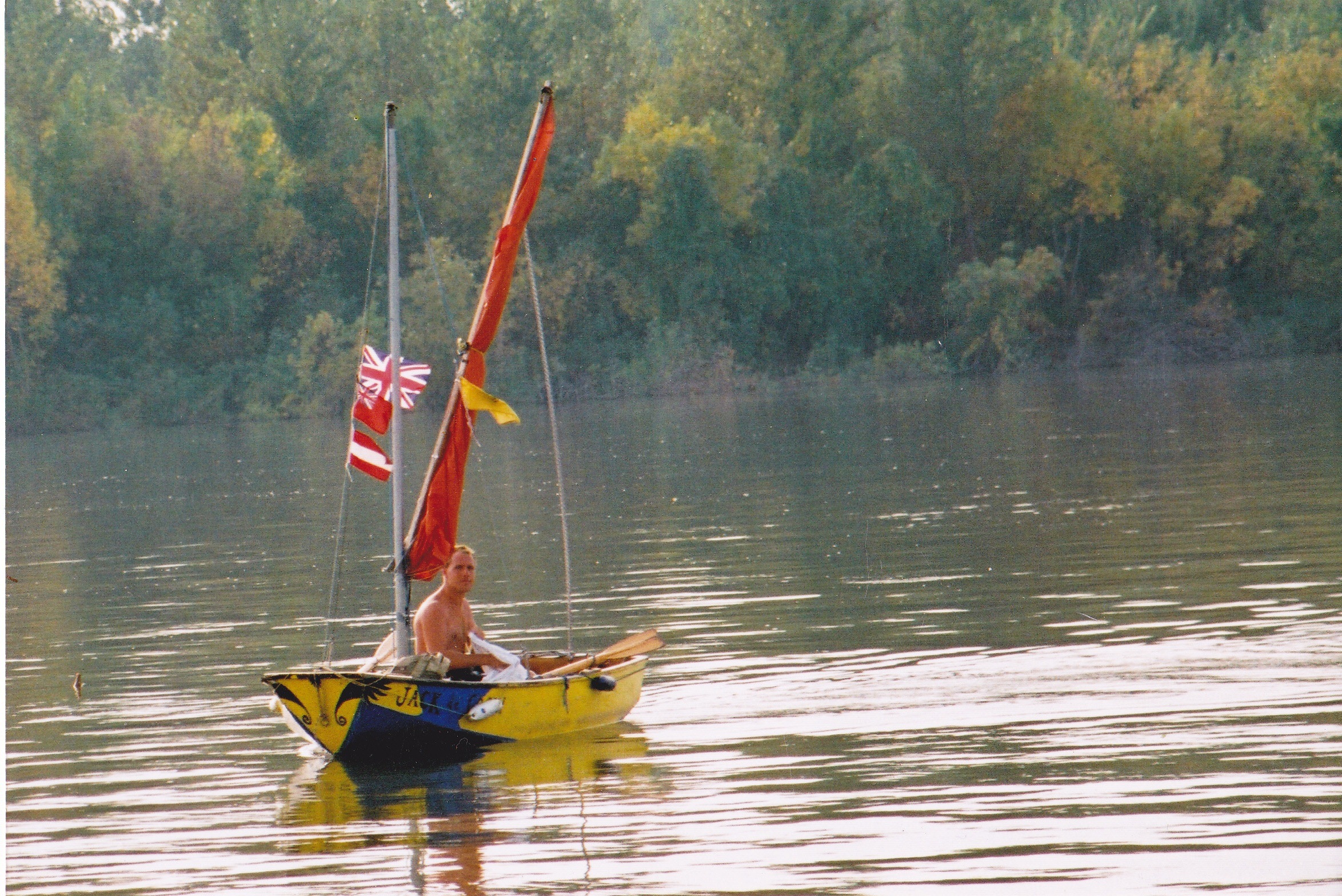
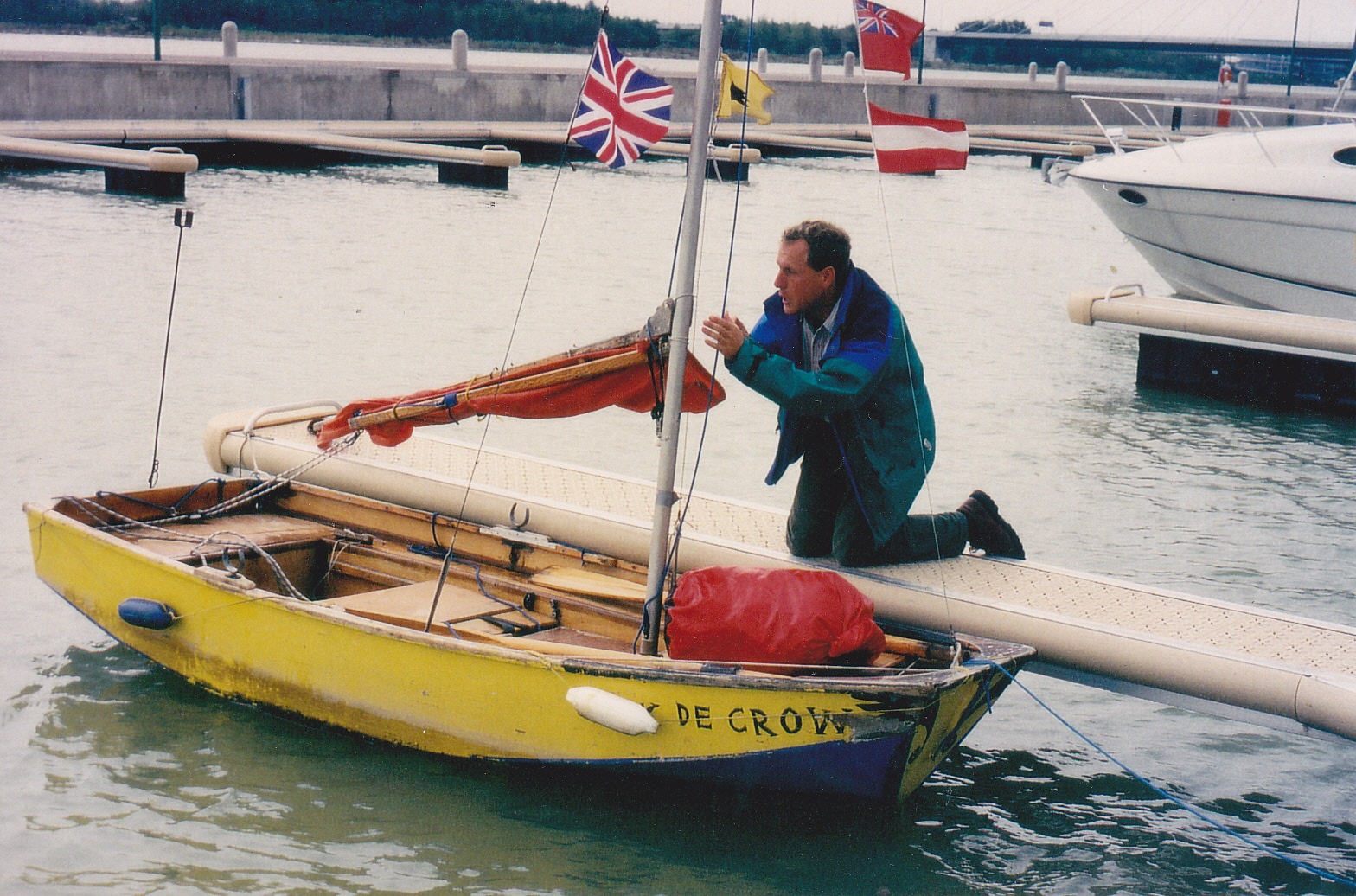
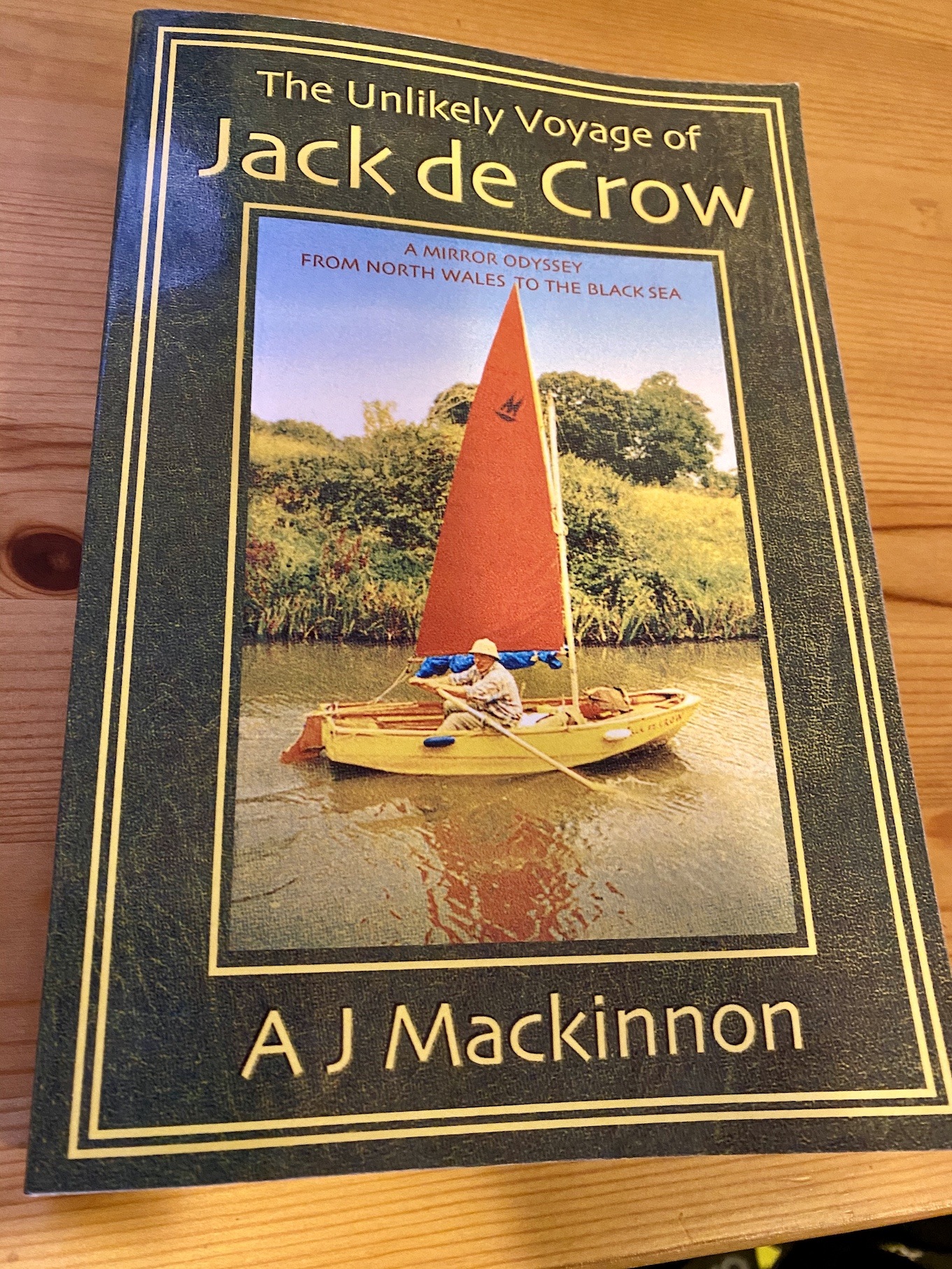
Anyone who learned to sail in dinghies as I did and reads of Jack de Crow’s passages along the English coast and across the Channel can only be impressed by Mackinnon’s courage (though his map-reading skills are somewhat questionable).
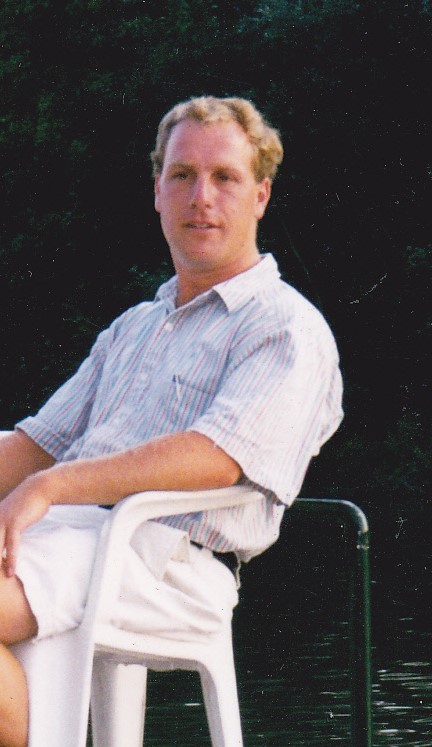
I caught up with this intrepid sailor, adventurer, teacher, writer and poet at his home in Victoria.
Sandy thanks for talking with Sails. I enjoyed the book immensely. It’s now 22 years since Jack de Crow’s epic voyage – what comes to mind when you think about it now?
Sometimes the most powerful emotions were just sheer terror, but the most long-lasting one has been of gratitude – for the beauty of things and the kindness of people and the fact that I could have had an adventure like that straight out of an old fairy tale.
There was a lot of kindness from strangers – in England, France, Germany, Austria, what was Yugoslavia, and Romania. Why was that, do you think? It’s not always the case towards visiting ‘yachts’.
Jack de Crow was such a small, fragile but merry little boat; it had something childlike and toylike about it. Anybody who saw her, to an extent, had their heart melted. If it had been a bigger boat or a sleeker, more professional-looking boat, I doubt there would have been the same reaction.
You’ve said that nine months gave you a great taste of solitude – and that you are still very comfortable with it. That’s pretty relevant in the midst of a pandemic.
Before that trip, I was very, very sociable. I craved company and couldn’t sit still on my own. That year totally changed that. I love company in small doses, but I’m really happy just sitting and being with myself, especially if it’s a beautiful spot, and that’s been a very helpful attribute during these very challenging times.
You don’t seem to have enjoyed your early sailing much on Lake Jindabyne with your siblings and your mother – you were the youngest. What do you remember about it?
We had a holiday house there, and my mother and my sister still live there. It’s a funny old lake – the water level goes up and down, there are acres of foreshore, lots of rocks and islands, sometimes it’s full to the brim. Because my childhood was dominated by books like Swallows and Amazons by Arthur Ransome, to me, that lake was the same lake the four children were sailing on and meeting the amazons. Those islands were precisely the islands where you could go and have adventures.
A Jungian psychological analysis might interpret the whole Jack voyage as your need to make up for not getting to be in control or getting to do much on that boat?
[Laughs.] I always found the actual sailing side boring. It was far about more the story side of things. As the youngest, I was never a very good sailor, and when I set off, I wasn’t a very good sailor. More of the fundamentals came when I did a trip from New Zealand to the tip of Scotland without flying any of the way. I crewed on yachts for a lot of that and learned a bit about setting sails.
Well, you certainly proved to be a fast learner on the job. There are several stand-out herculean moments for me in the book. The first is the 13-hour slog to Whitstable – the last part into a rising North Sea gale. What was it that kept you going when most people would have packed it in?
I’m extremely stubborn. I have this streak that the tougher stuff gets, the more stubborn I get and just grit my teeth. I don’t do it out of any sense of pride: it’s just something that won’t let go.
I’m incurably optimistic and I always think if I just keep going it will get better.
But that day it didn’t. [Laughs.] On that particular stretch of water, it looks like you are sailing on something three miles wide, but it’s only actually 50 metres wide in the channel with mud just below the surface. Even if I thought, Blow this, let’s give up, there was no way I could have got to either shore.
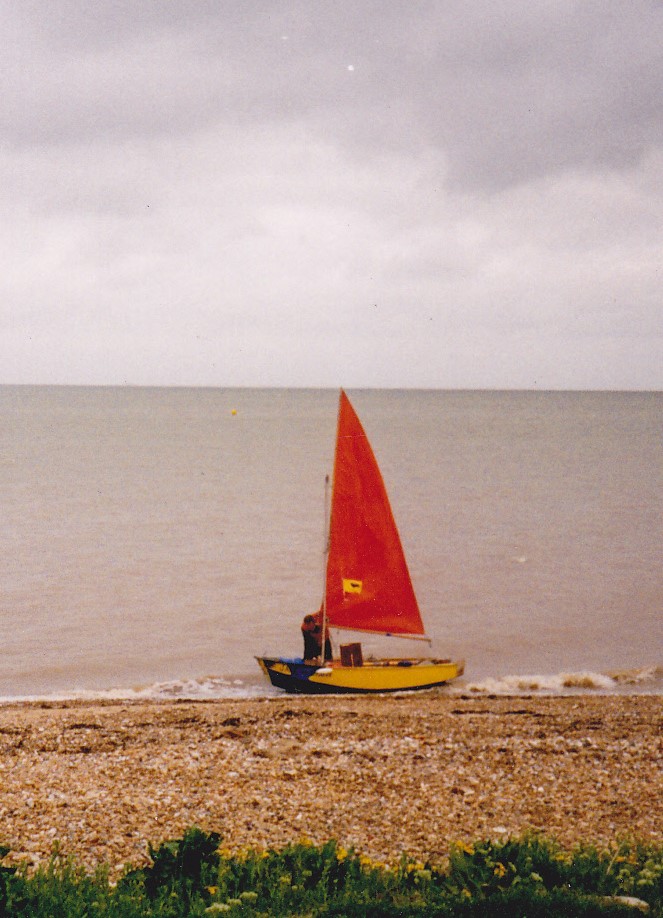
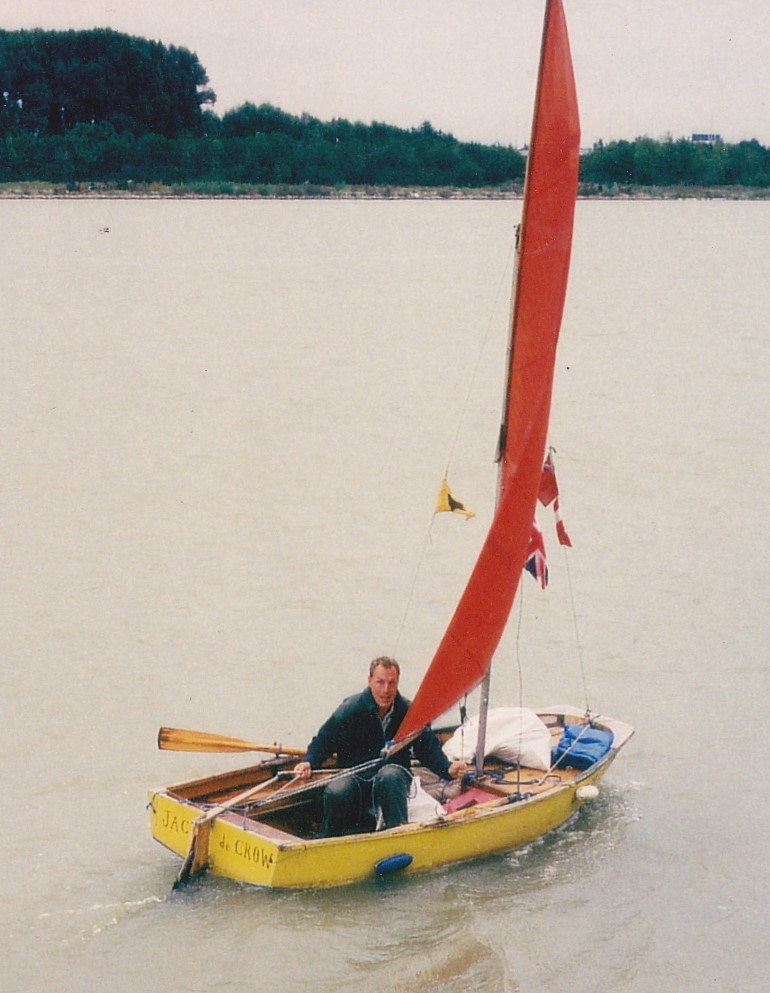
The second one is the 22-mile Channel crossing. Unfortunately, as you say, about a year later another sailor who attempted the Channel in a Mirror dis-appeared and the boat was found floating. That strong northerly current or tide that pushed you out of the direct ferry route may have saved your life?
I would never attempt it again, knowing what I know now. The main danger, of course, is shipping. It’s one of, if not the busiest, shipping lane in the world.
It was a fine day, perfect wind. That tide really threw me out, but if I had stayed on a direct course between Dover and Calais, I probably would have come to grief, run down by a hovercraft or hydrofoil. I was fortunate to be taken out of harm’s way by the tide.
So, was that luck or some sort of divine protection?
Who knows? If we knew that we would know everything about the world. At times, I like to believe it’s the divine. I’m informed by CS Lewis’ view of the divine, which is, to me, a very, very attractive one.
Well, you are probably aware of the great saying, ‘There are no atheists in a bad storm at sea.’
[Laughs.] That’s right; very true.
You write very descriptively about the sea and capture the joy of sailing and the inevitable frustrations – but they just add to the experience, right?
When you stand on the shore and look out to sea, which is a thoroughfare to nearly anywhere – the Canary Islands, Peru, Hawaii, the West Coast of Scotland – there’s something lovely about that idea.
These days you’re a teacher at Geelong Grammar’s Timbertop campus in the foothills of the Victorian Alps, but I understand you have also been involved with the school’s sailing program. How have you utilised your, ah, unique exploits?
Sailing offers an alternative to some of the traditional competitive sports. It seems to attract those who have an independent spirit.
Students who have been struggling a bit academically have found they are incredibly nimble in a boat and it’s been a boost to their self-confidence. Quite often, they have discovered mastery or a skill that they didn’t have on land.
I think you clocked up 18 kilometres on the running tracks with students yesterday. Do you bring lessons from the voyage to those sessions?
I do draw upon the odd Jack de Crow episode. Especially when you are surrounded by students on a run and you’re encouraging them and banging on about grit and determination, there’s no way I could give up otherwise I would come across as a terrible hypocrite.
One of my roles is that of chaplain. I’m not ordained, so I’m a lay chaplain and my sermons are often about willpower, pushing through, courage and grit.
The last we hear of Jack de Crow you have entrusted her to a dodgy harbourmaster at the Black Sea port of Sulina with the desire of donating her to the local school. Is there any update? A sequel perhaps?
A few years ago I was in Venice. Standing there, looking across the lagoon, in my mind’s eye I could see, incredibly clearly, a little red sail coming toward me. I imagined a Mirror mooring up among the jostling gondolas.
And I thought, just across there is the coast of Croatia, the Dalmatian coast, then Albania, Corfu and Greece. Then just around the corner from that is the Dardenelles, Istanbul and the coast of Bulgaria, then Romania.
Sitting somewhere there could be a battered Mirror dinghy. I thought, Wouldn’t it be brilliant to go and find Jack de Crow and hop in and sail that route in reverse, island hopping all the way. With modern weather apps, it’s possible. After COVID ends and I’m done with running, who knows?
AJ (Sandy) Mackinnon is the author of The Unlikely Voyage of Jack de Crow and The Well at the World’s End.
-

Advertisement
-

Advertisement
-

Advertisement
