

Raising the bar
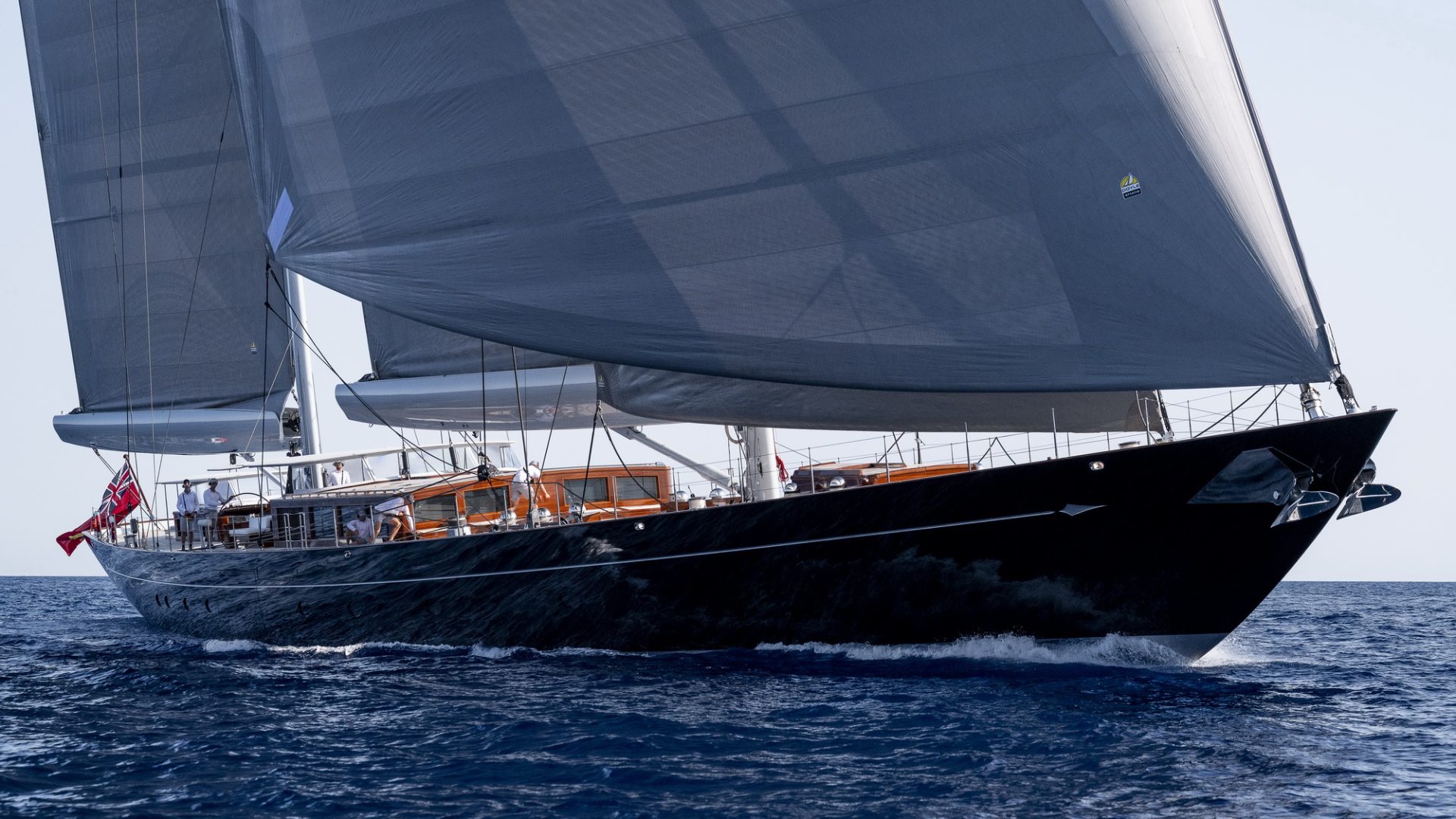
Royal Huisman has revealed details of the 65-metre sailing superyacht Aquarius, a performance-focused successor developed to improve on a yacht her owners already considered “nearly perfect”.
Photography by Royal Huisman
18 September 2026

Advertisement
Delivered in 2025 as Royal Huisman Project 408, the new Aquarius was commissioned by the owners of the previous 56-metre Aquarius, now Apsara.
Their brief was unusually precise: retain the classic appearance, elegance and family-friendly character of their first Royal Huisman, but add substantially more volume and deliver stronger sailing performance.
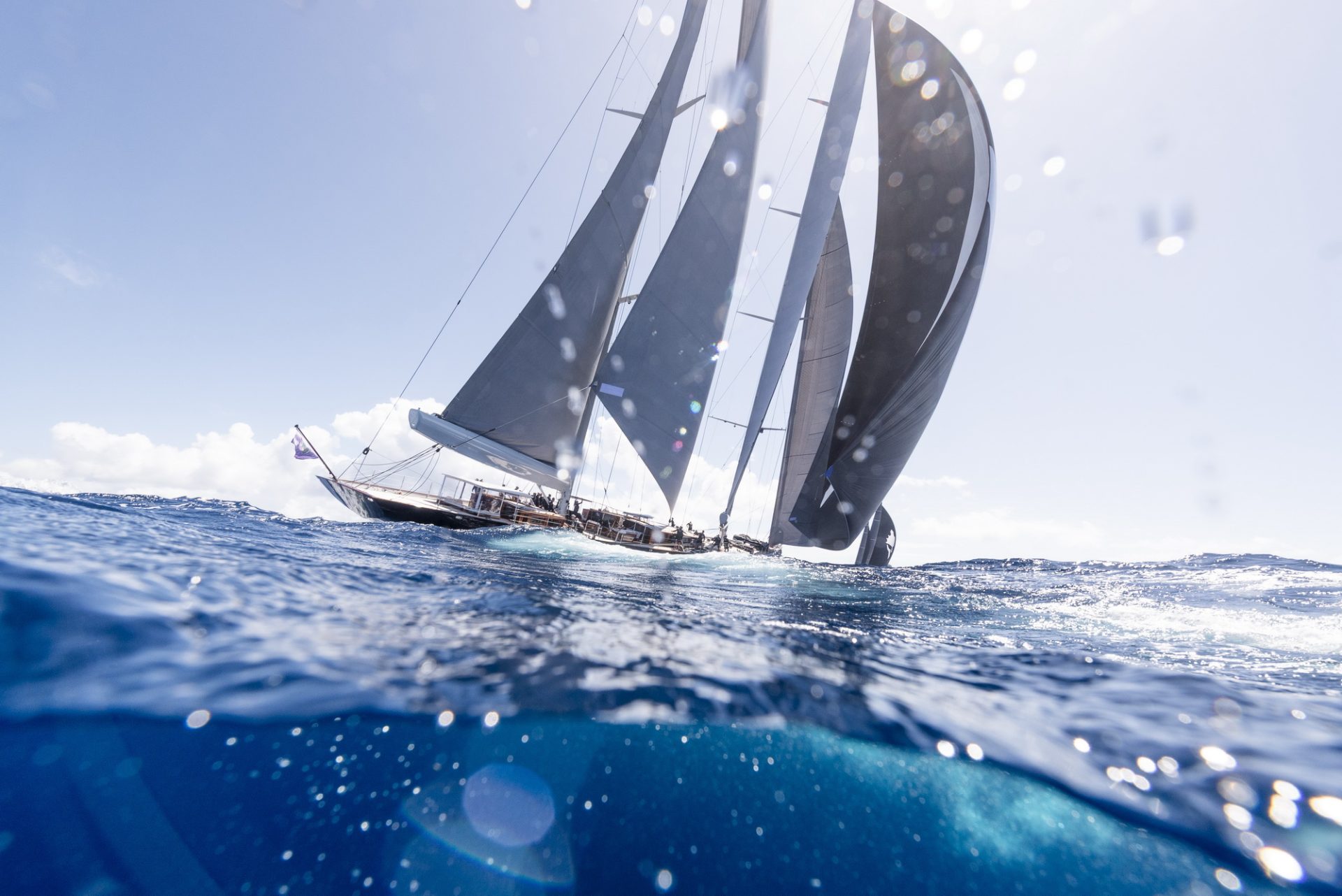
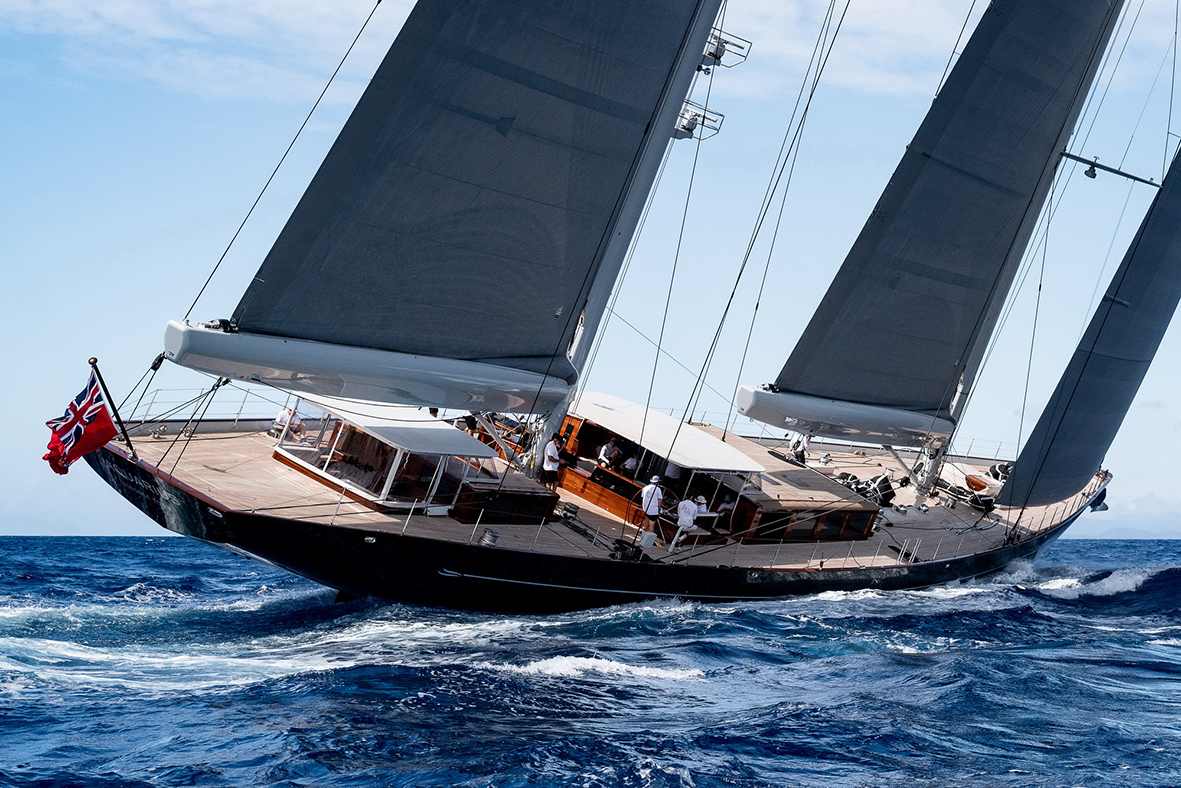
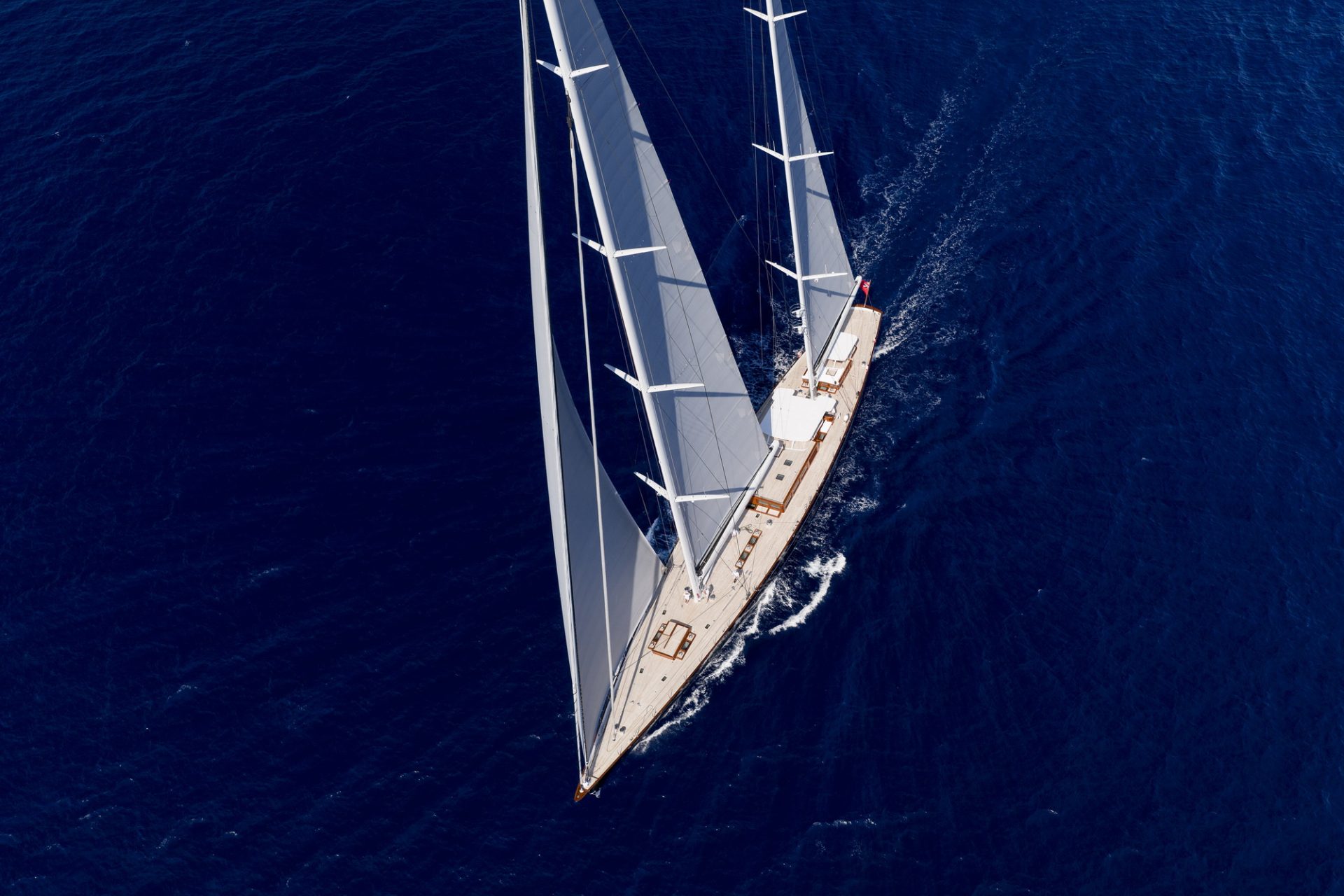
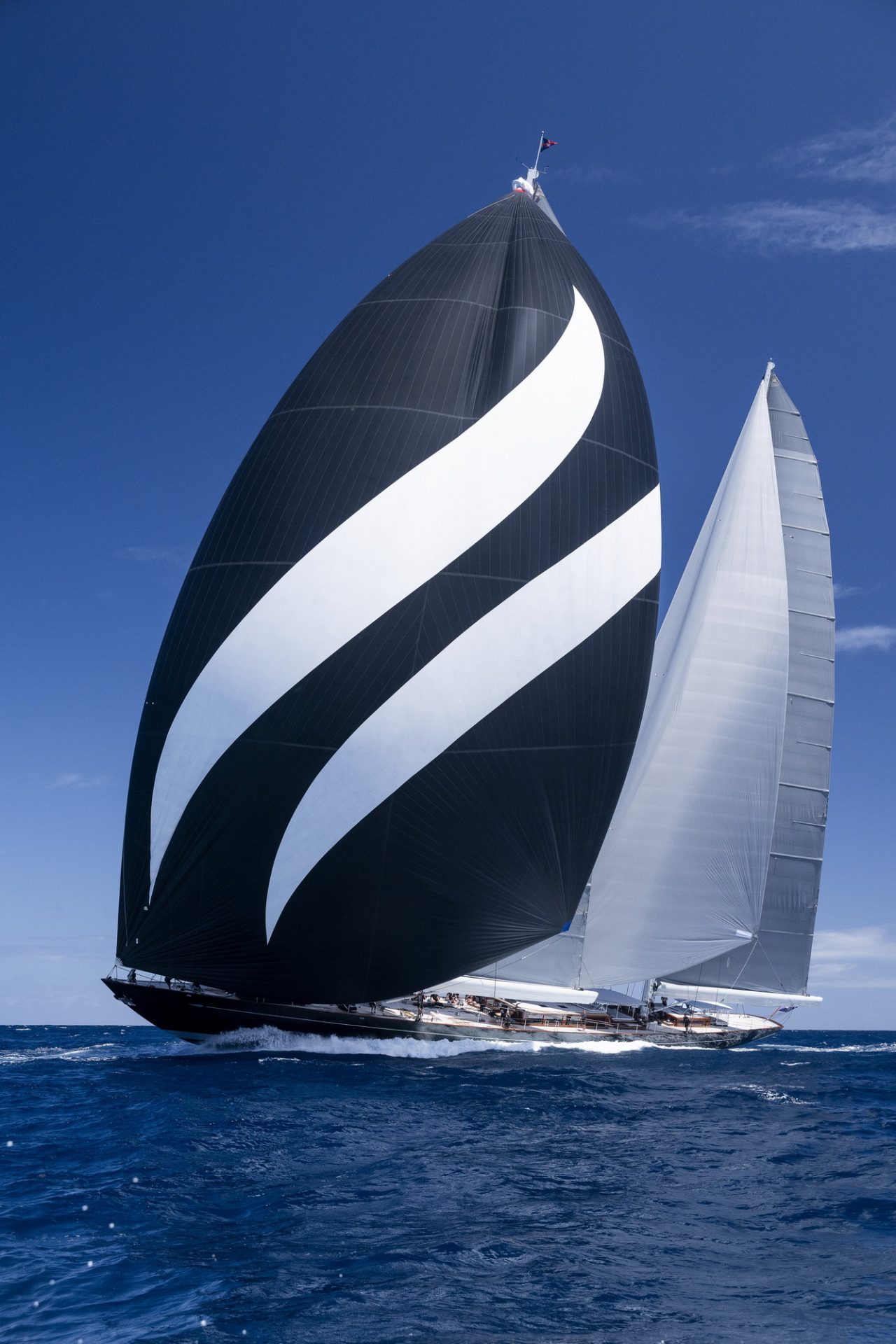
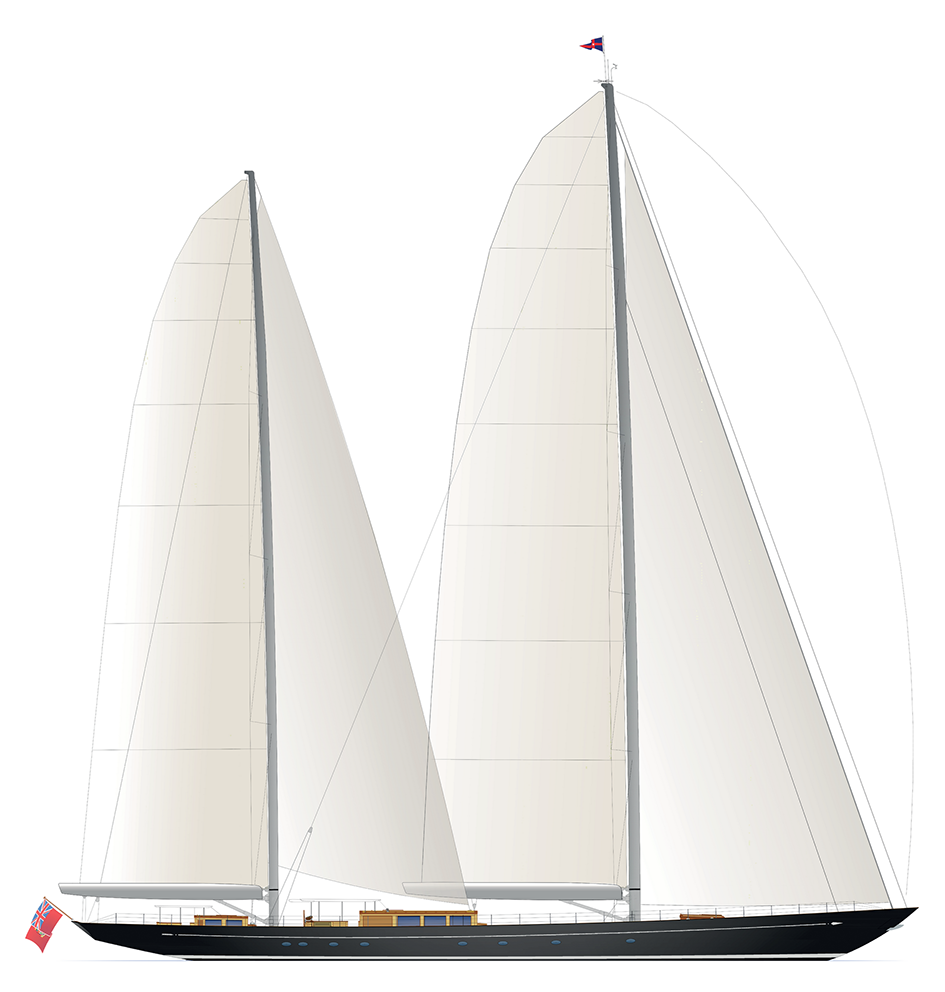
The result is a 65-metre performance ketch with 45 percent more volume than her predecessor, a lifting keel, a towering carbon rig and up to 4,671 square metres of sail downwind.
Rather than starting from scratch, the owners brought together much of the team behind their previous yacht. Owners’ project manager Godfrey Cray and captain James Turner worked with Dykstra Naval Architects, Mark Whiteley Design and Royal Huisman on the new project.
Advertisement
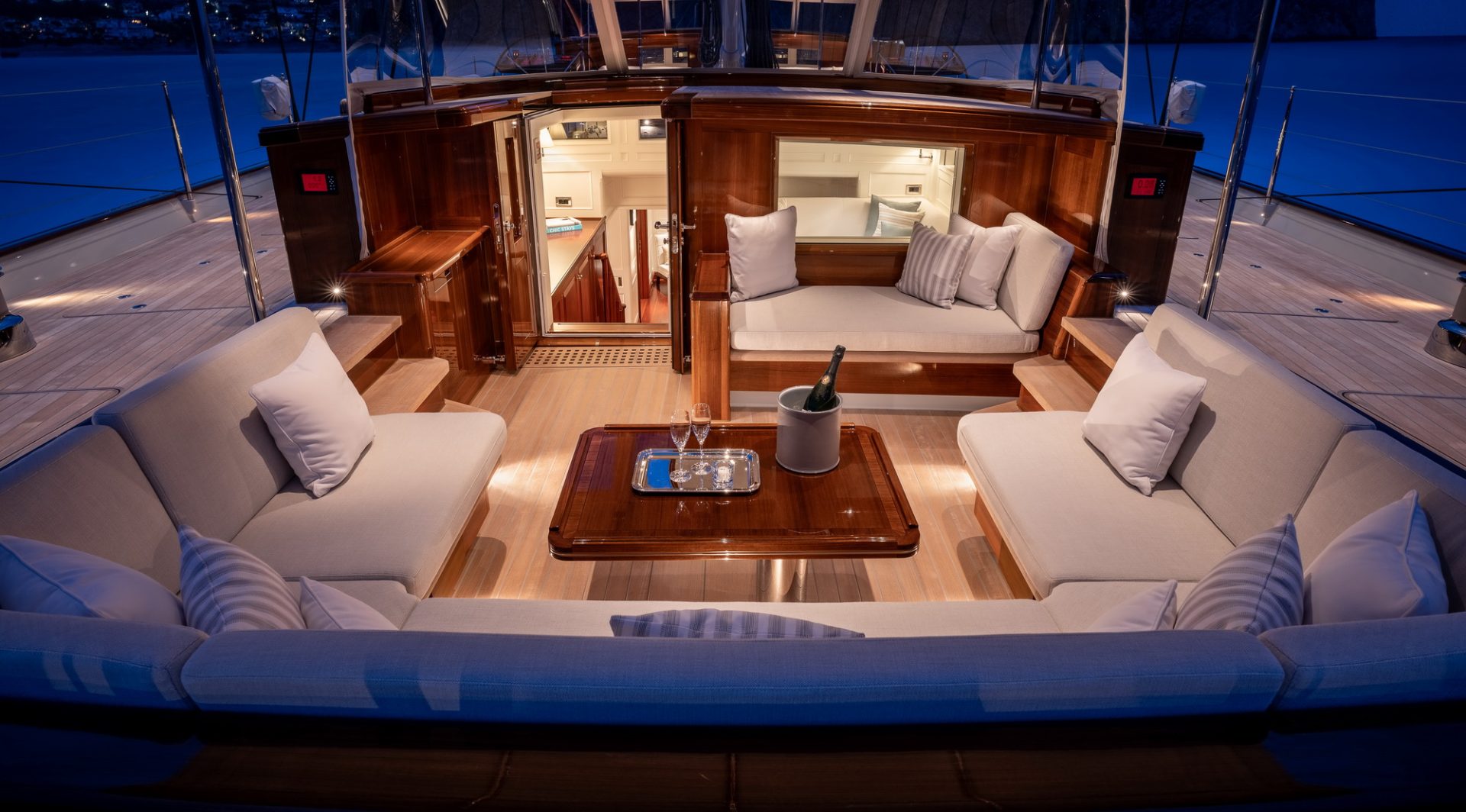
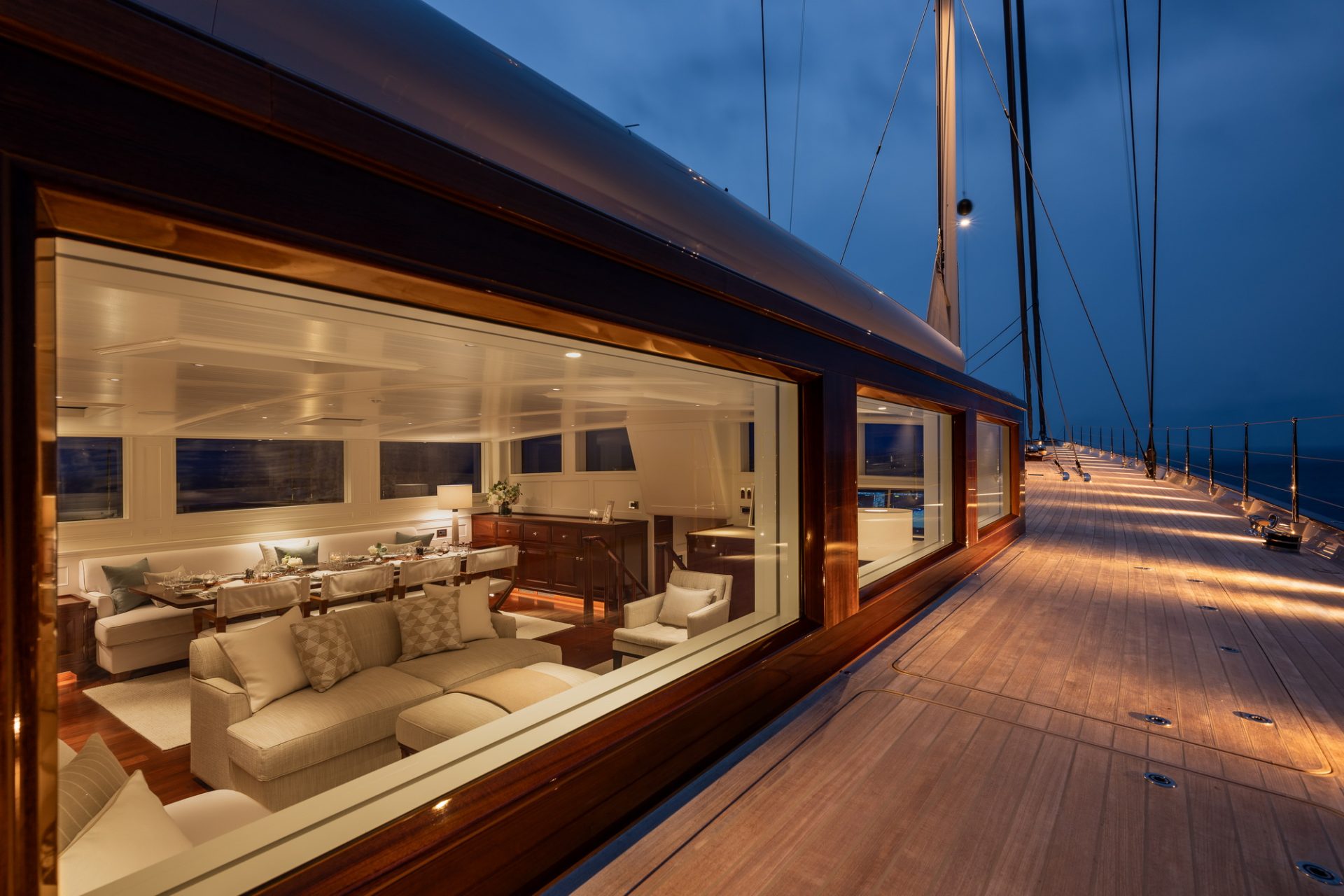
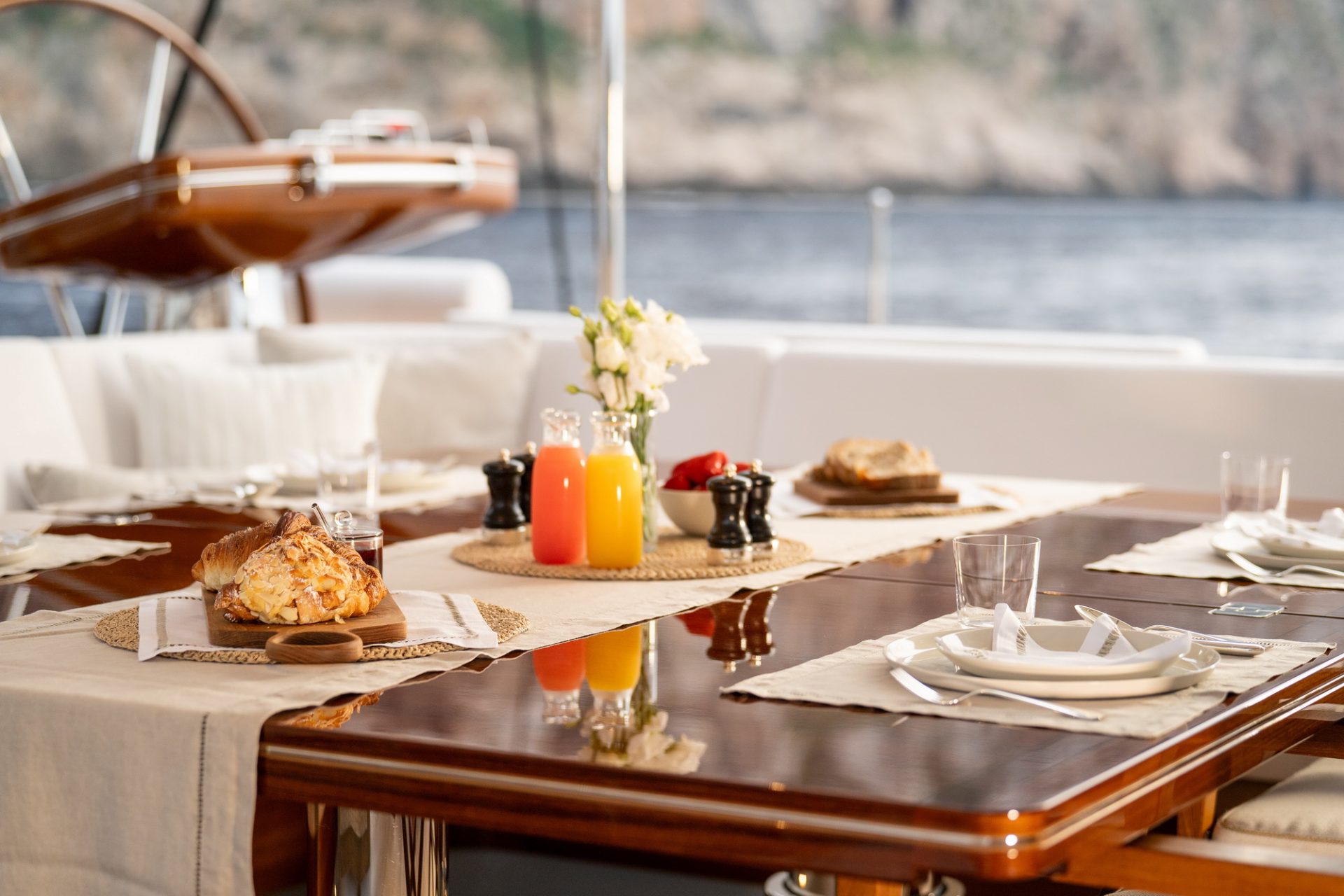
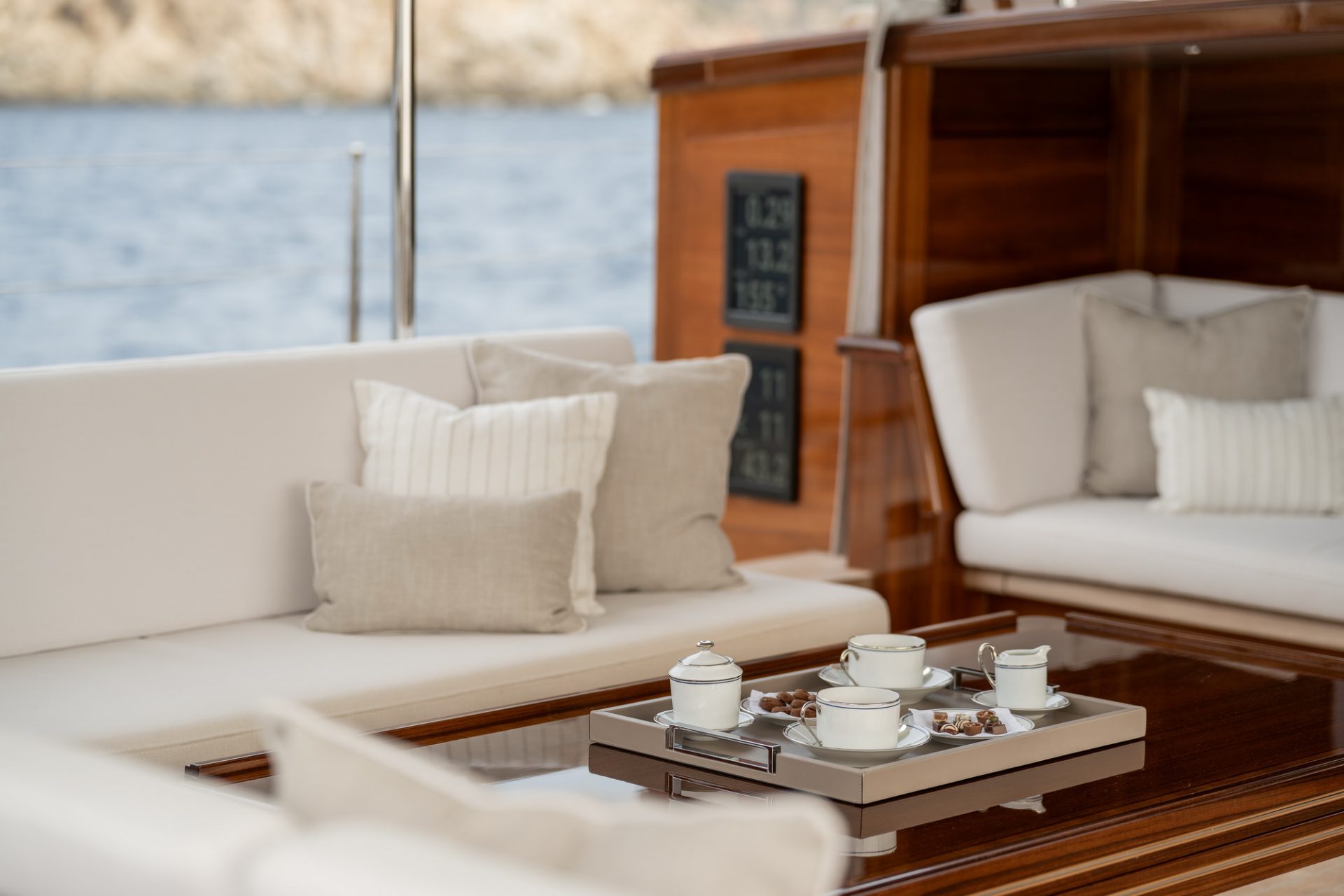
Six years of operating the first yacht also provided an unusually detailed development brief. Turner and the crew compiled 728 ideas covering everything from interior arrangements and maintenance to galley space, systems and storage.
Performance priority
Although unmistakably a world-cruising superyacht, Aquarius was designed with considerably greater emphasis on performance.
One of the fundamental decisions came when the owners were faced with a choice between keeping the mast low enough for Panama Canal transit or maximising sailing performance. Performance won.
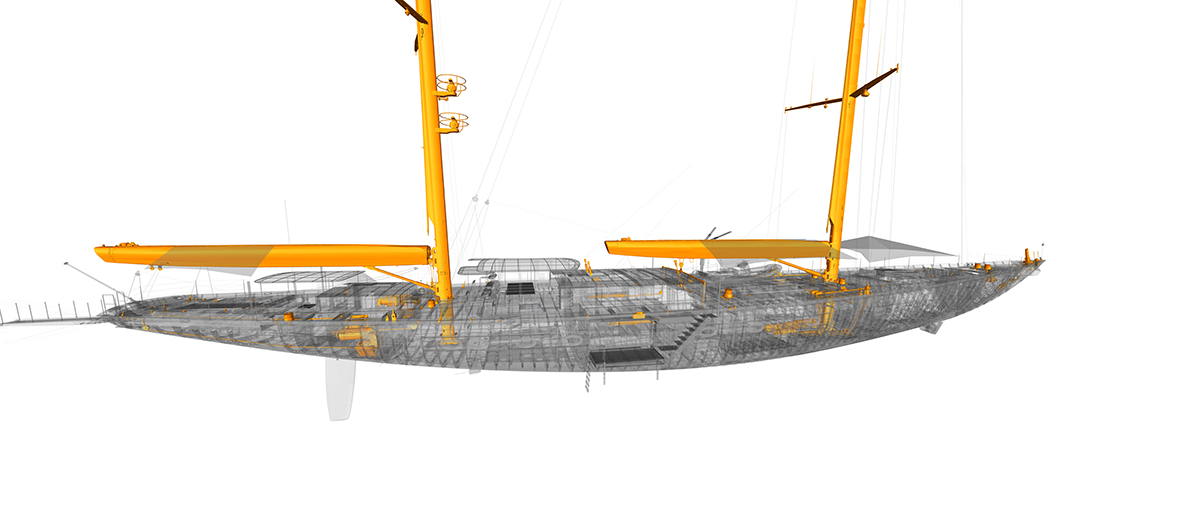
The Rondal carbon ketch rig includes a 67.5-metre main mast, while the sail plan developed with Doyle Sails provides 1,958 square metres of sail upwind and 4,671 square metres downwind.
Carbo-Link carbon rigging and 16 Rondal captive winches form part of an integrated sailing system designed to handle the considerable loads while maintaining a clean deck layout.
The split rig also provides flexibility, allowing a mizzen staysail and optional gennaker to boost performance in racing and light-air cruising conditions.
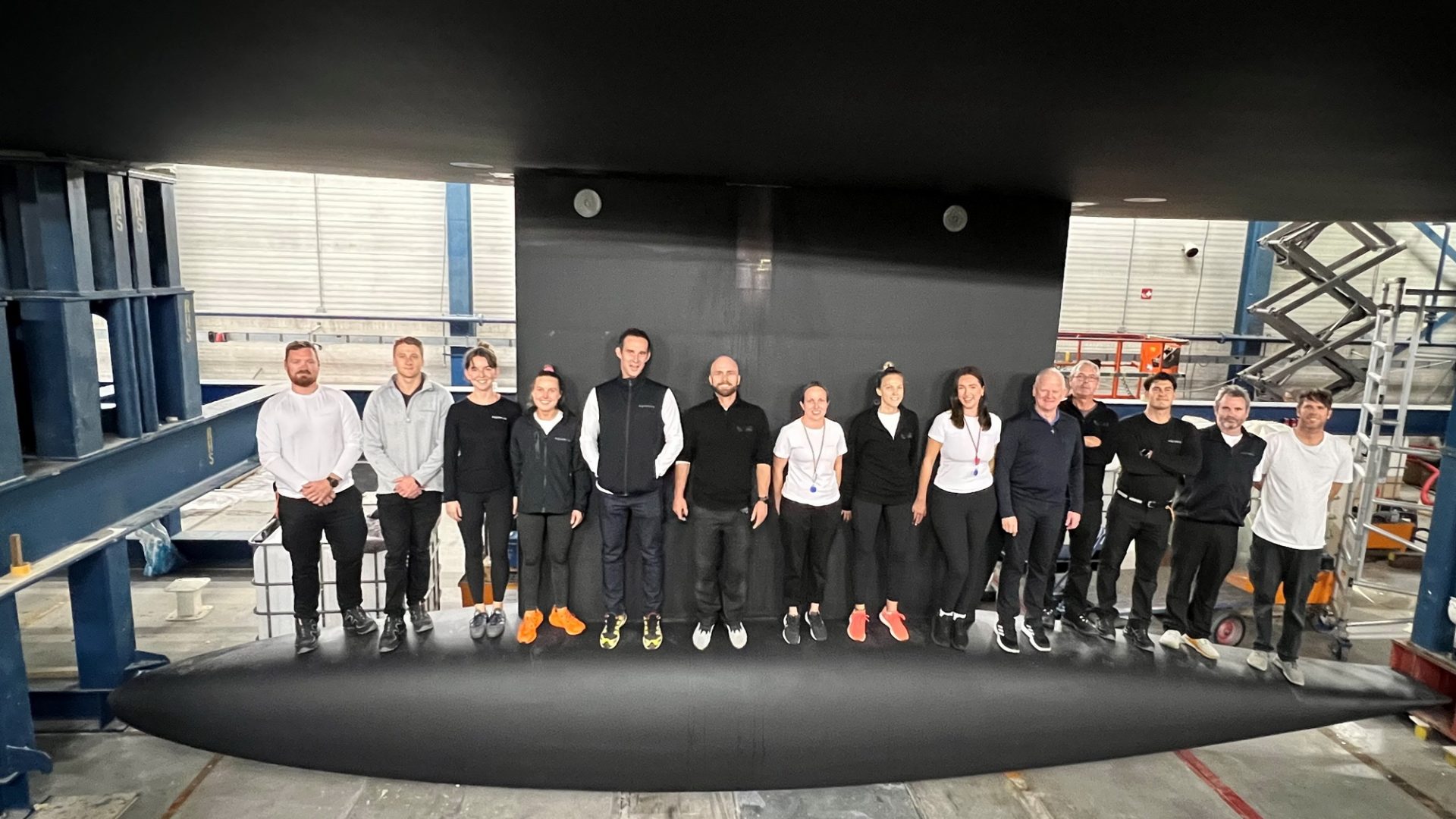
A lifting keel was another major departure from the previous yacht. The 76-tonne keel gives Aquarius a draft of 4.8 metres when raised for harbour access, increasing to 7.6 metres when lowered for sailing performance.
According to Royal Huisman, trials demonstrated the gains. With cruising sails, Aquarius recorded 15 to 16 knots on a reach, while in the Mediterranean she reportedly sailed at more than 10 knots in seven knots of breeze.
The yacht also introduces an Edson electric steering-assist system. Adjustable assistance can absorb up to 50 percent of steering-wheel load in its standard setting while retaining feedback for the helmsman.

More space aboard
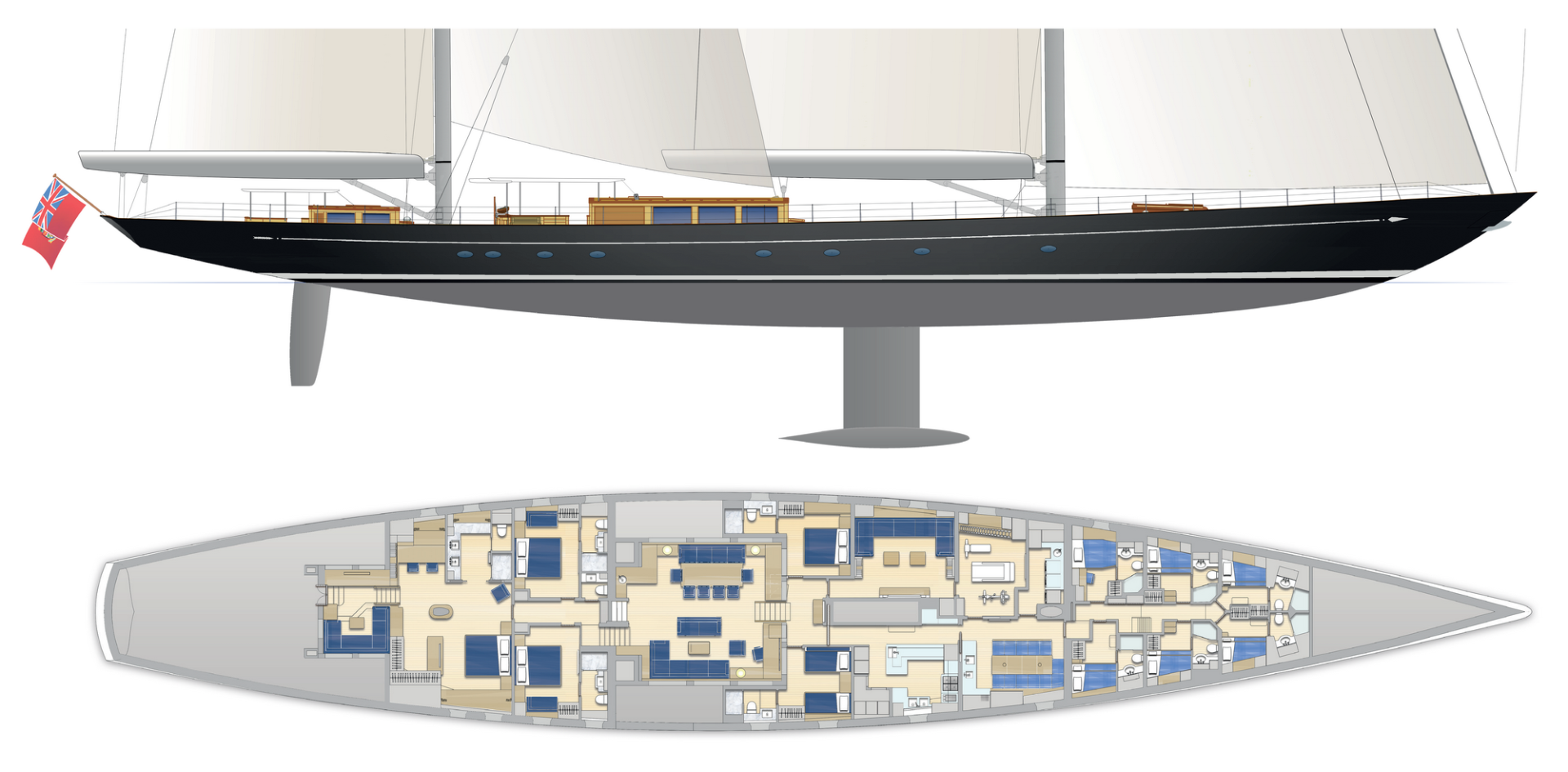
The nine-metre increase in overall length, combined with greater beam and hull depth, delivers 45 percent more volume.
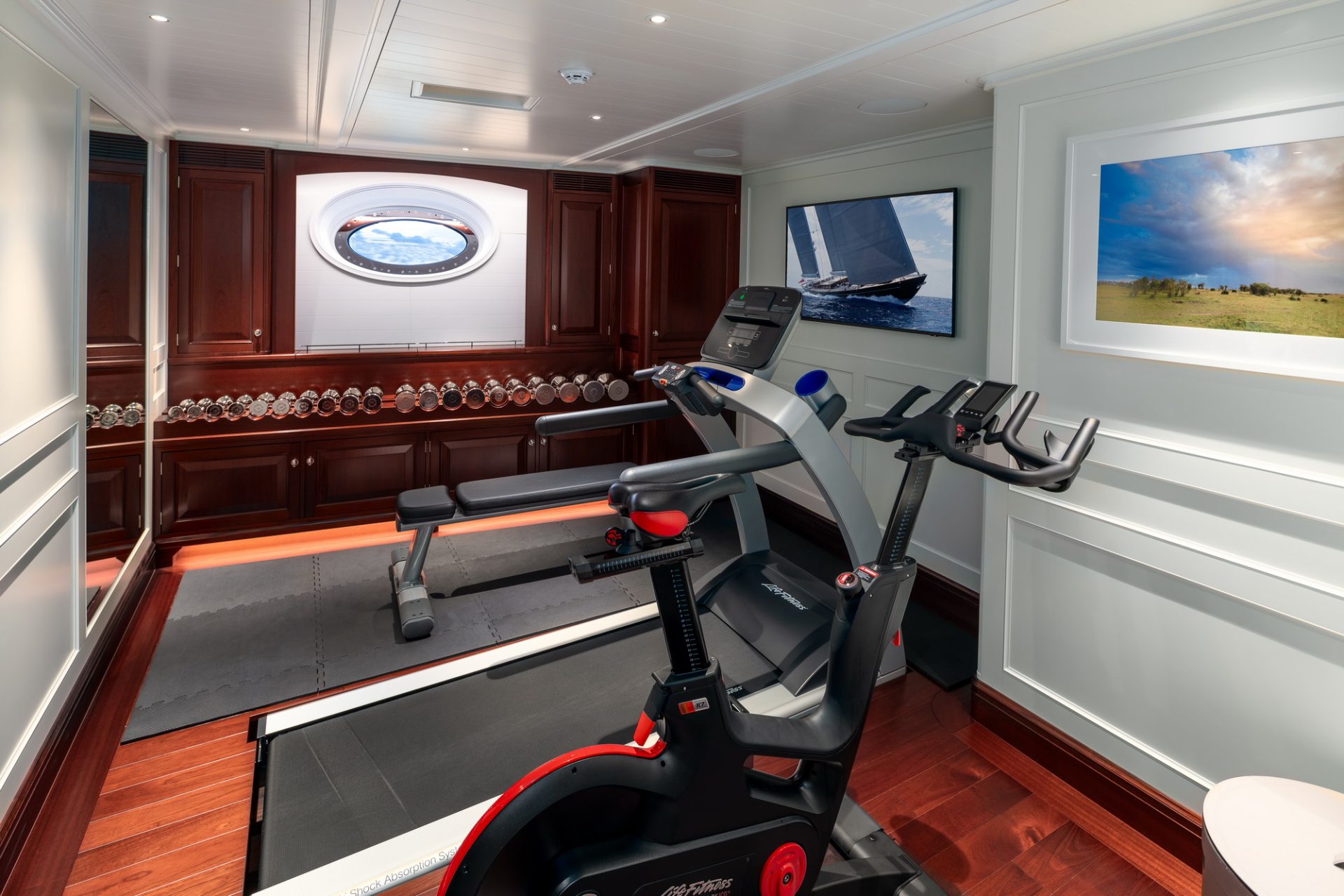
That additional space has been used throughout the yacht rather than simply increasing individual accommodation areas.
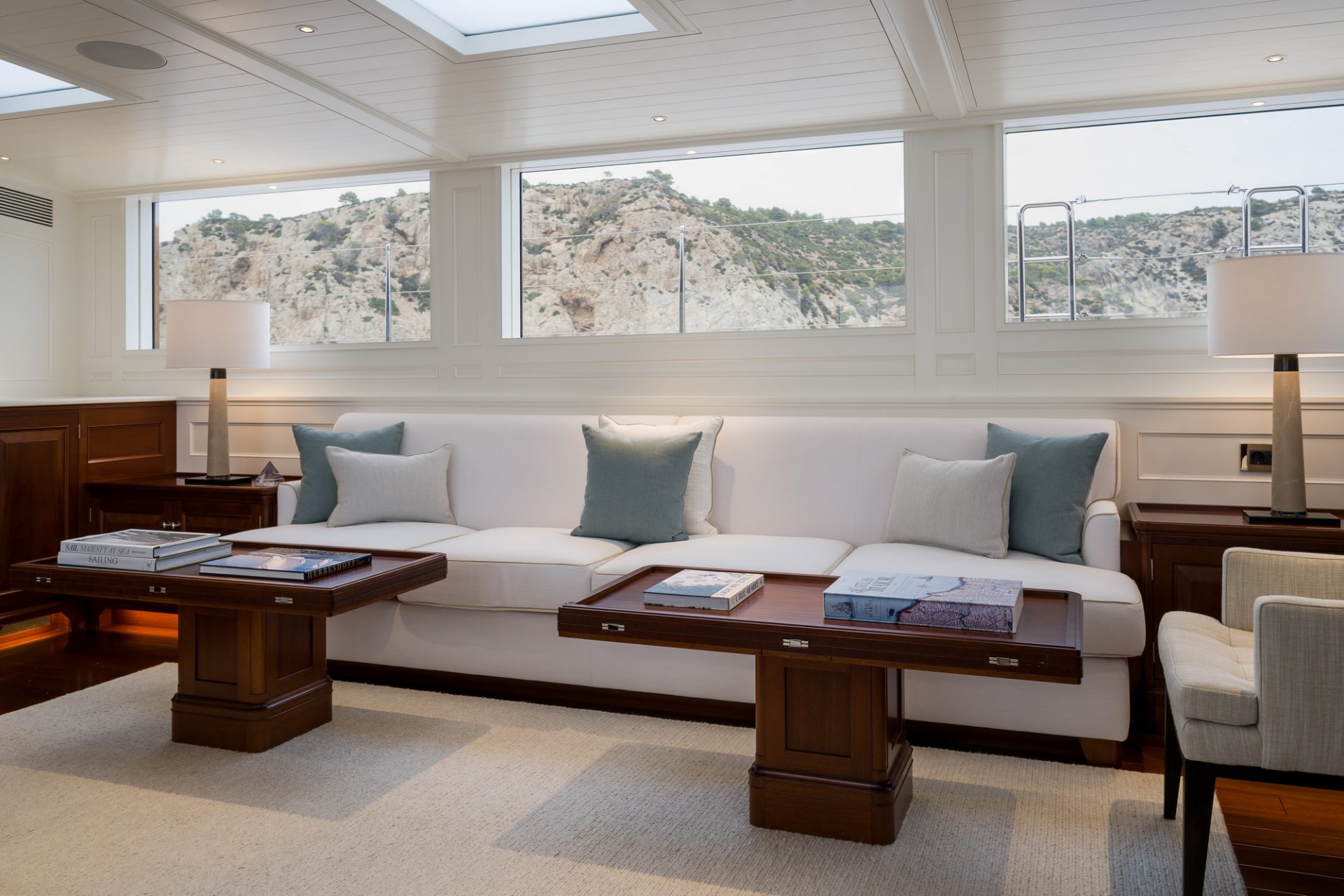
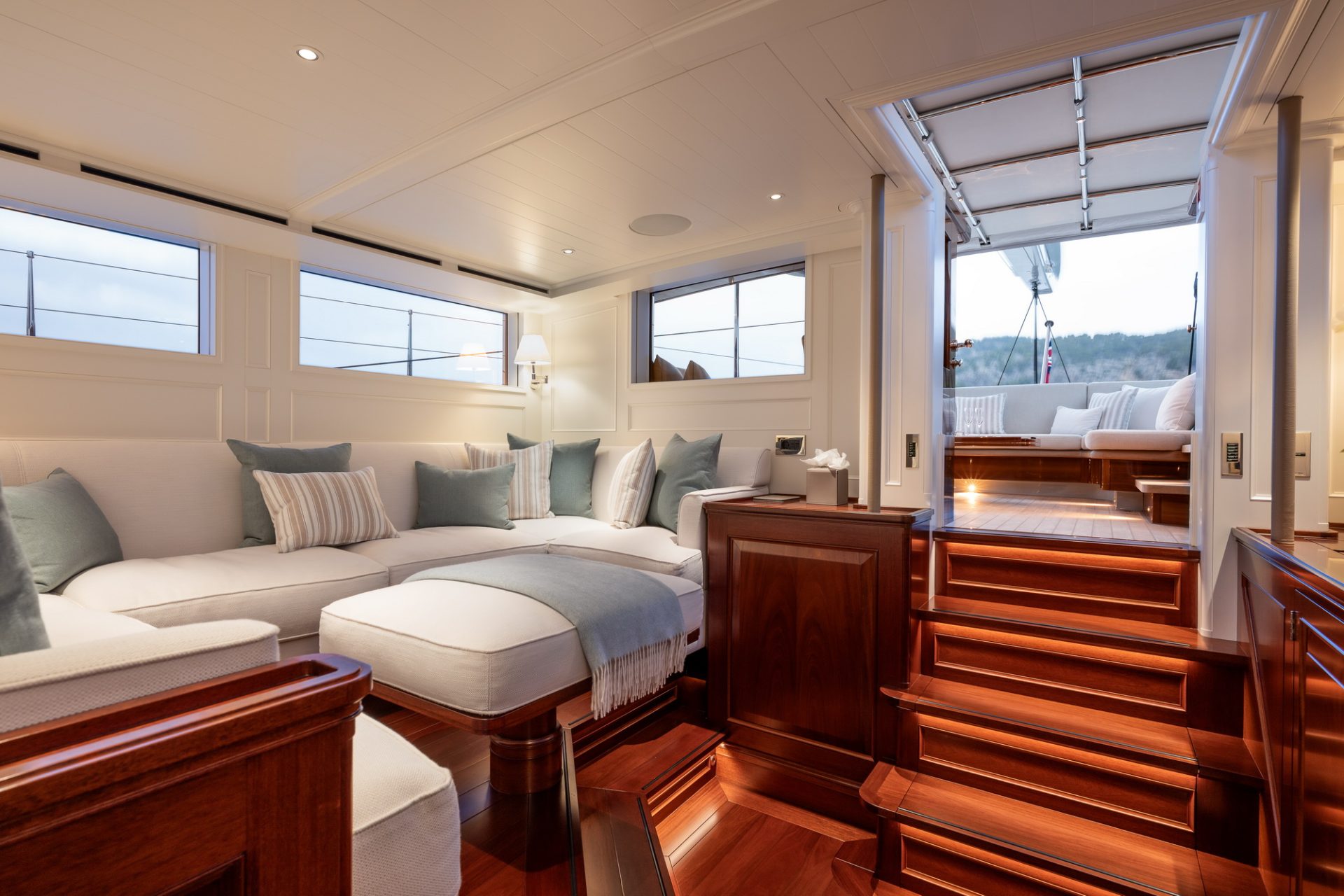
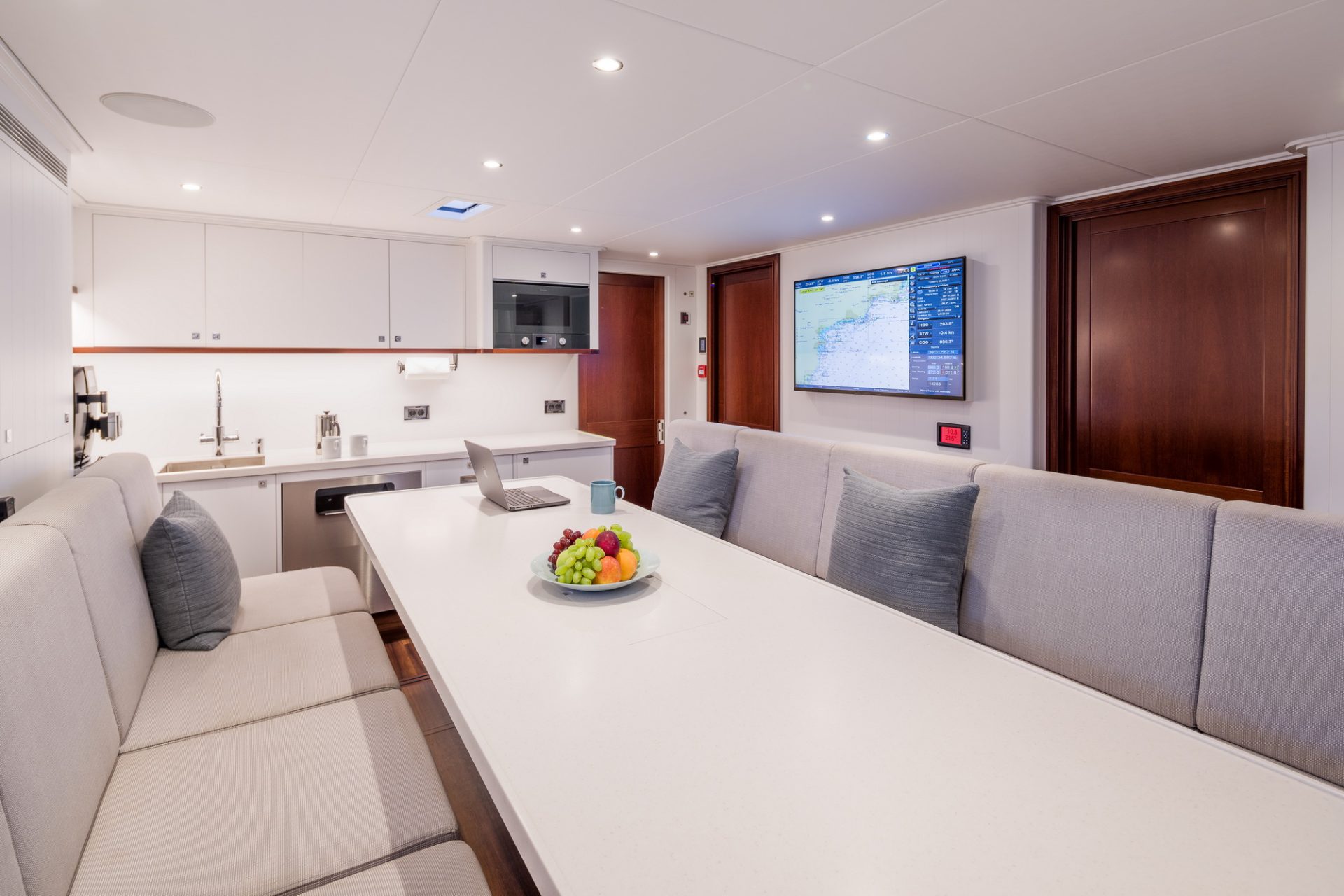
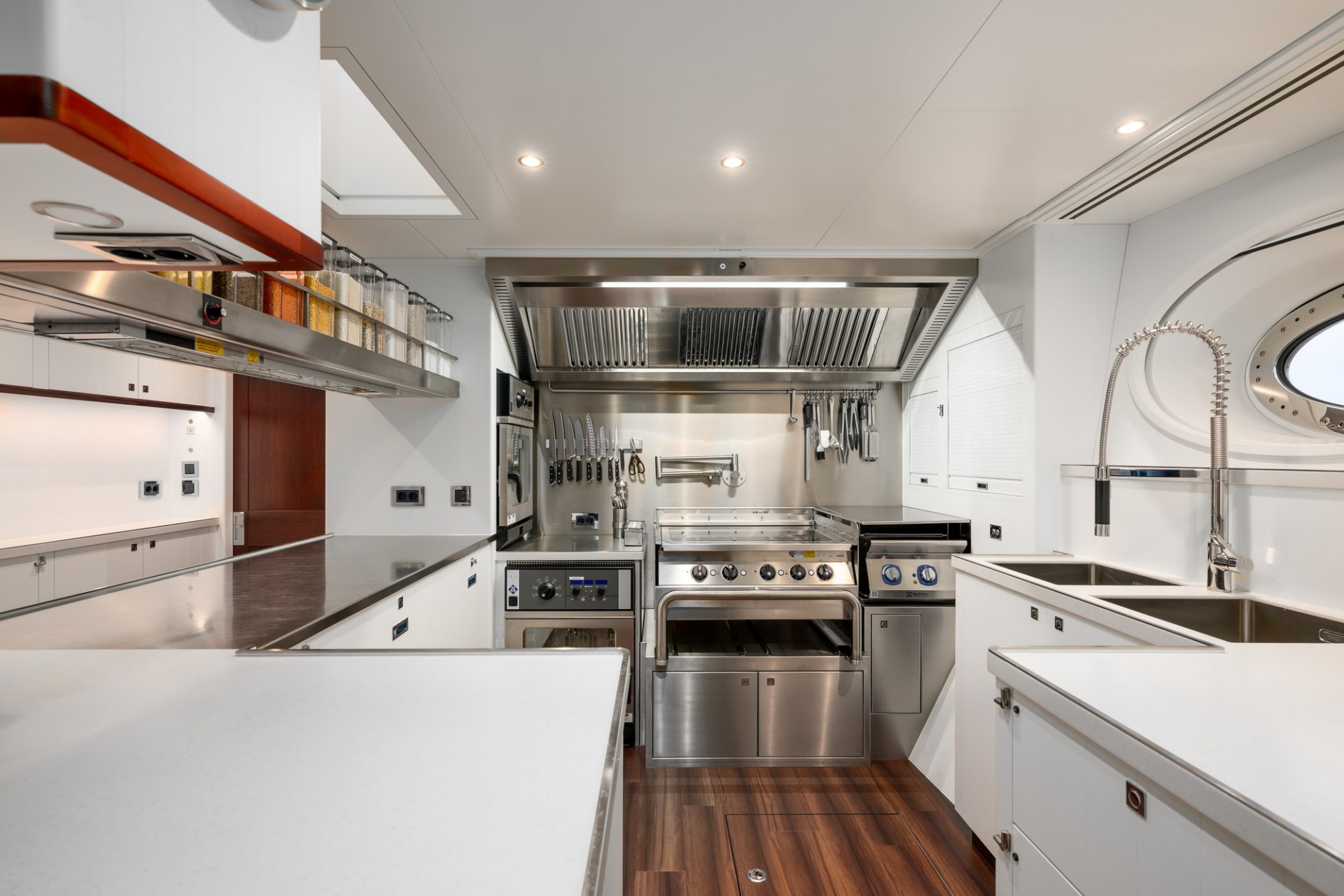
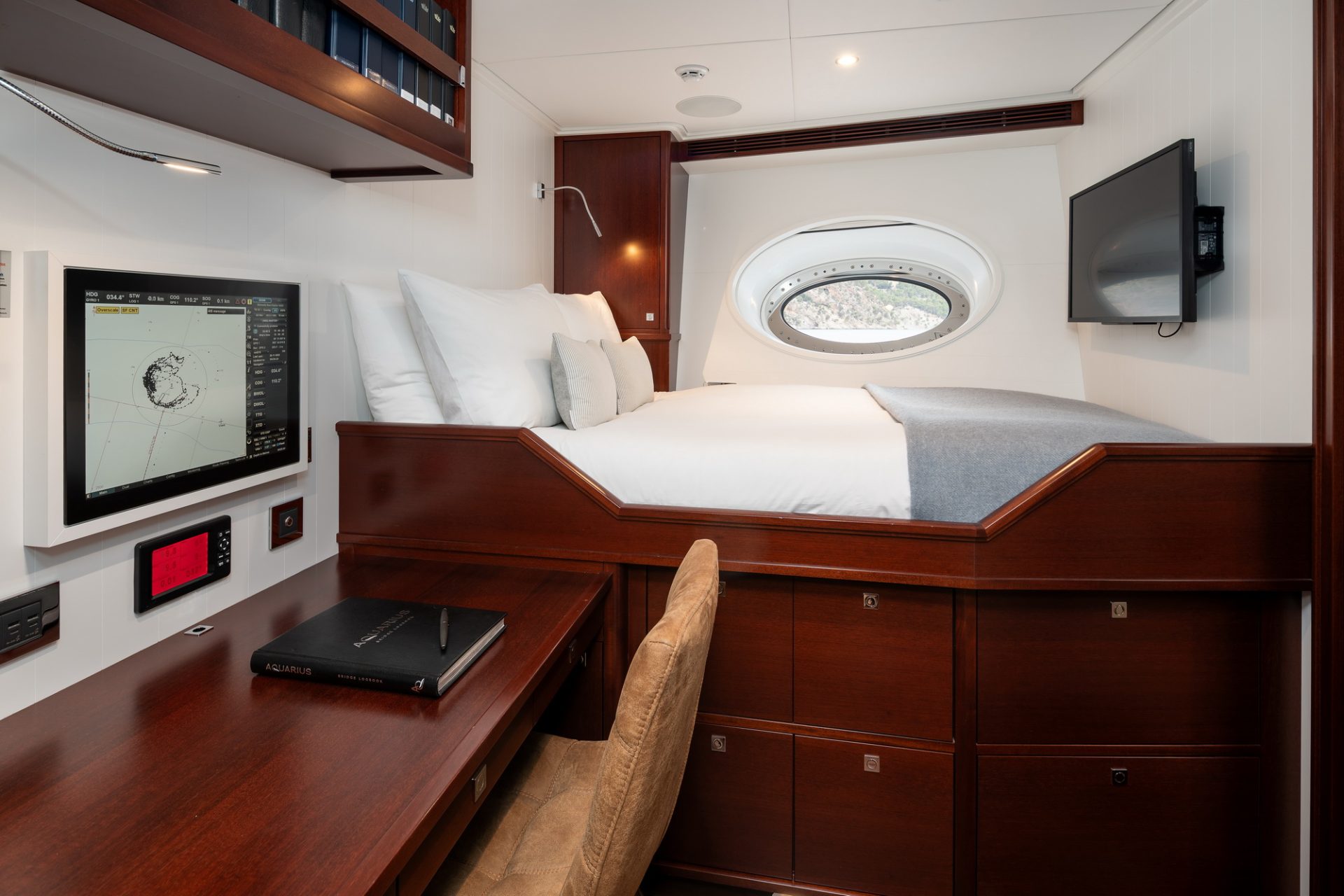
The galley is 67 percent larger, while the main saloon has increased by 62 percent. Crew accommodation and service spaces have also been expanded, with five double crew cabins plus a captain’s cabin provided for the yacht’s 11 permanent crew.
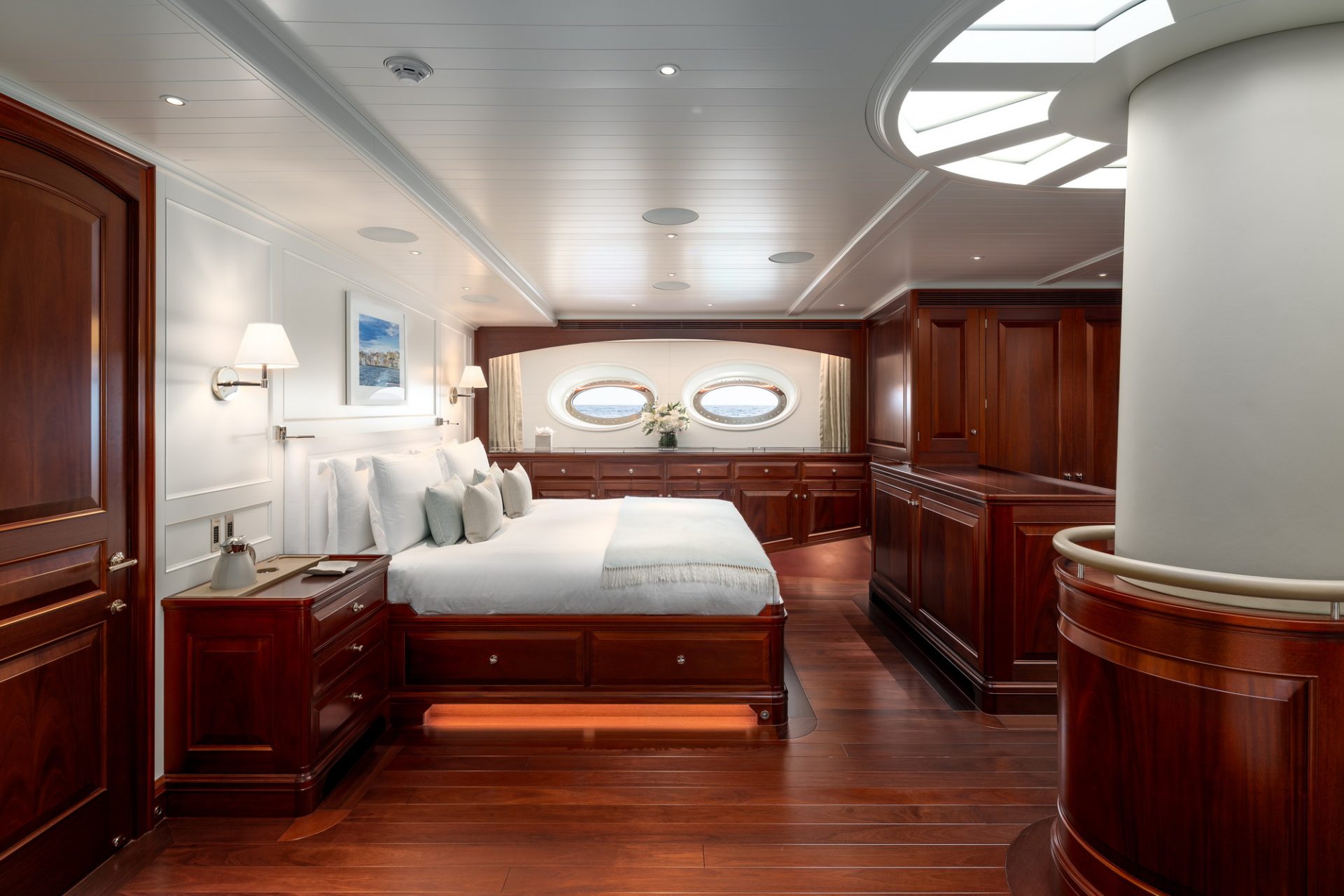
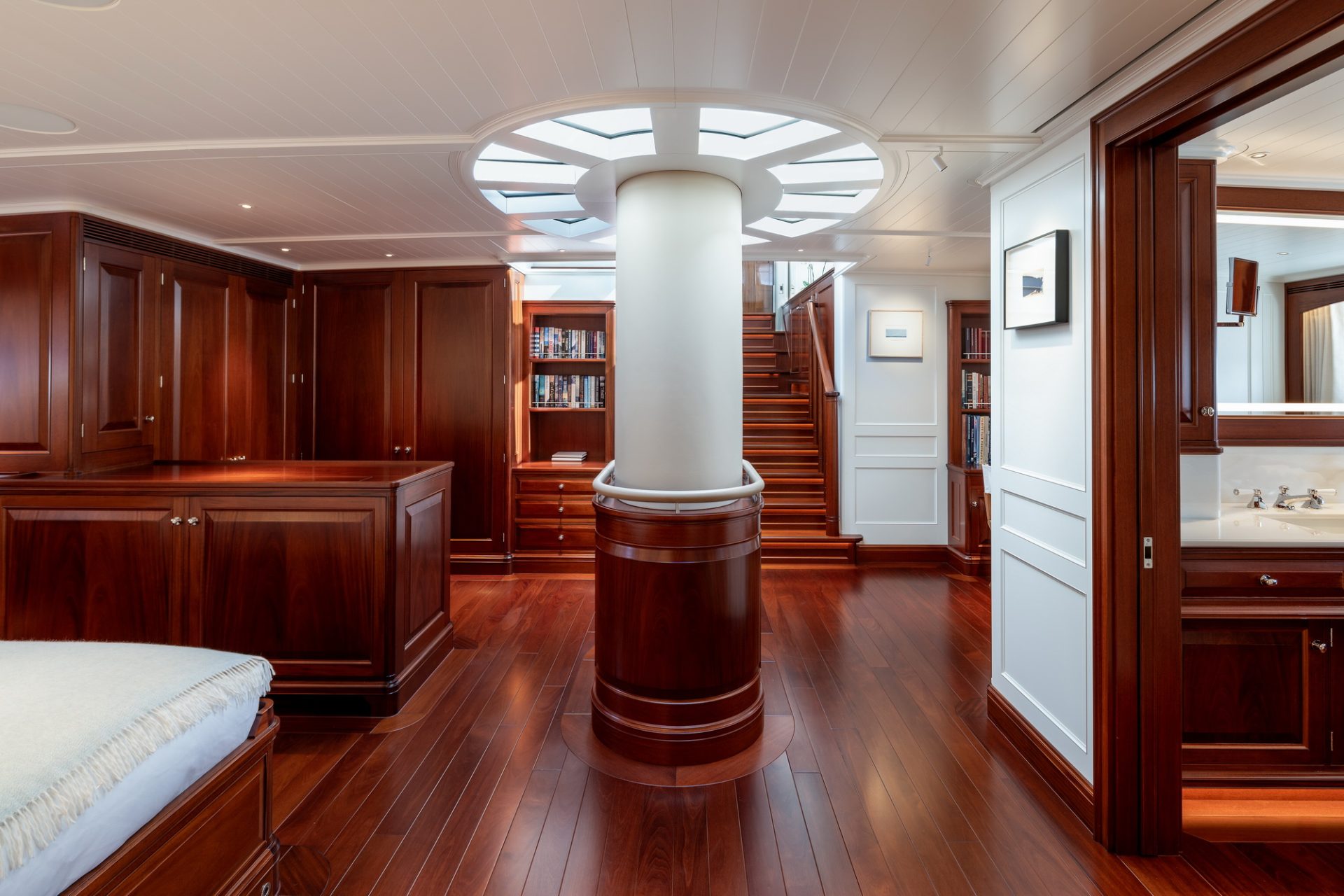
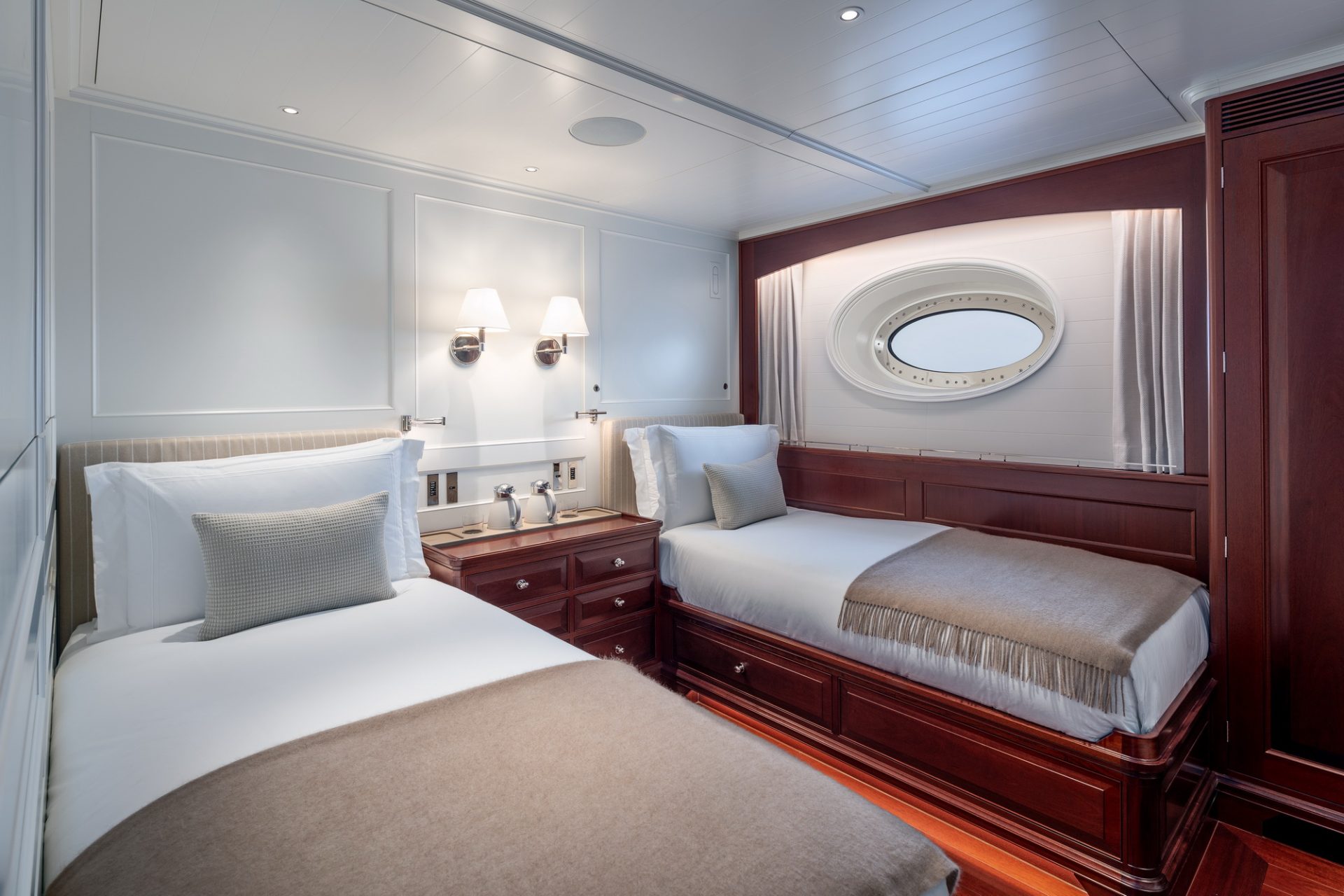
Guest accommodation comprises four ensuite cabins in addition to the owners’ stateroom. The larger hull also allows the owners’ suite to sit on a single level.
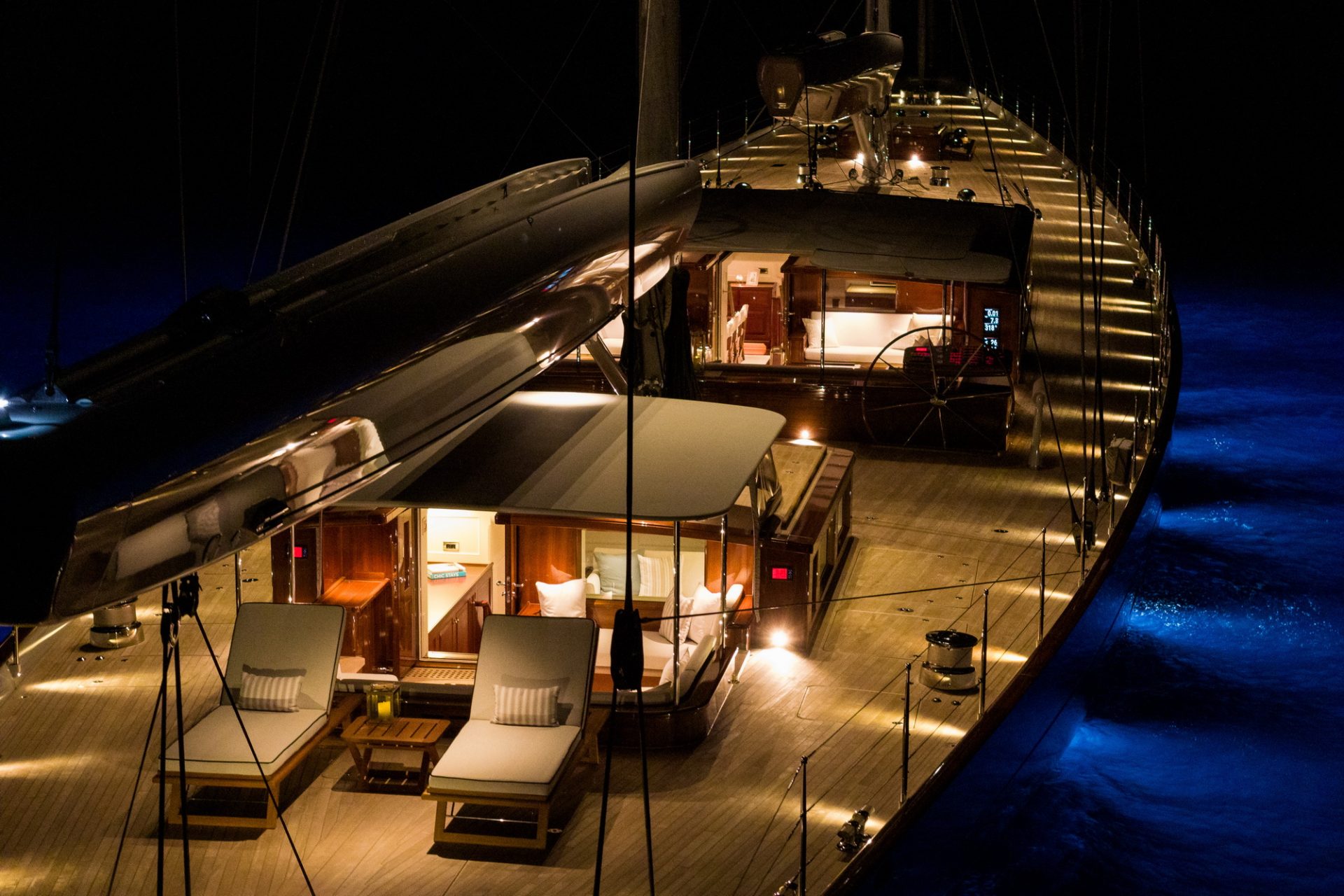
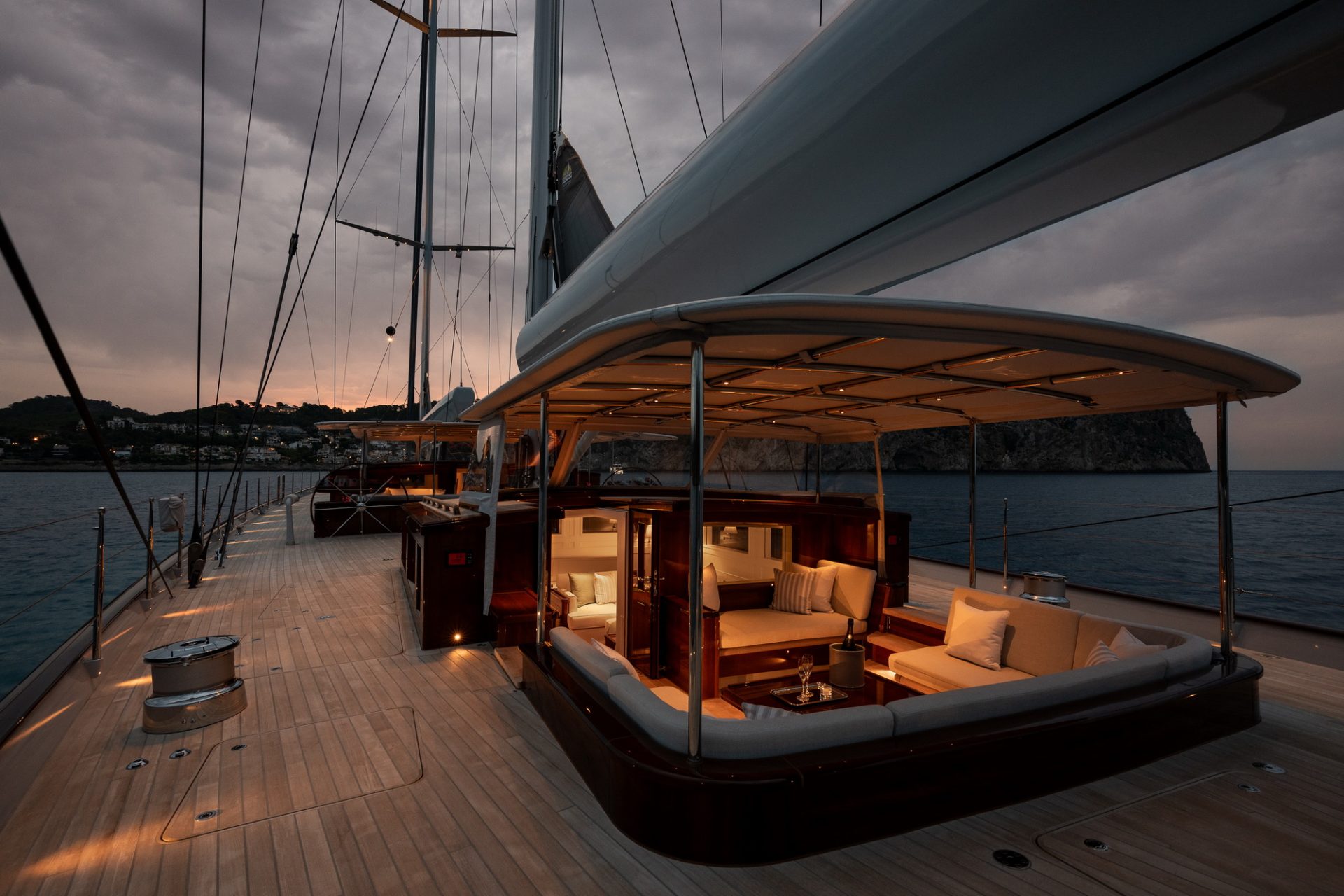
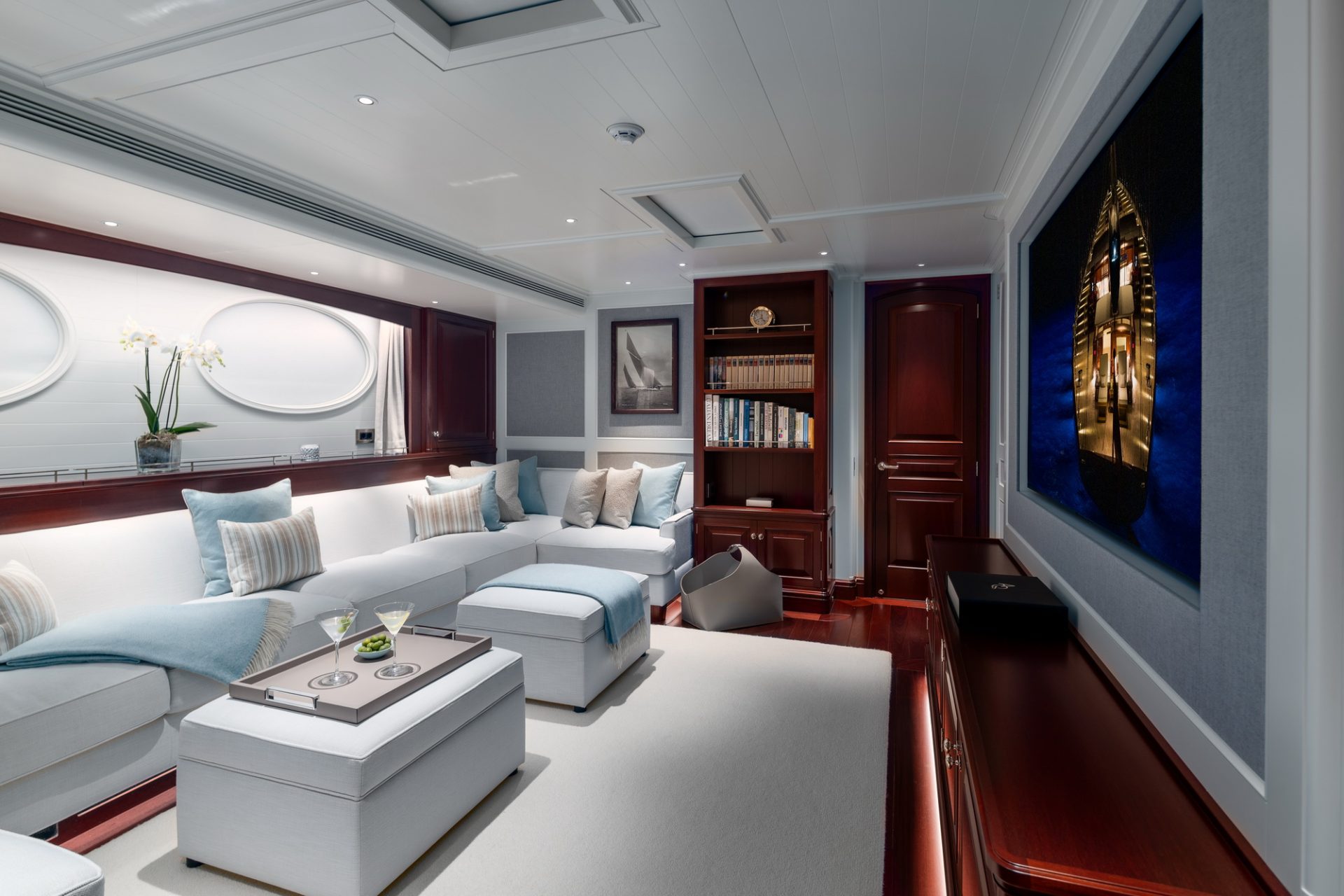
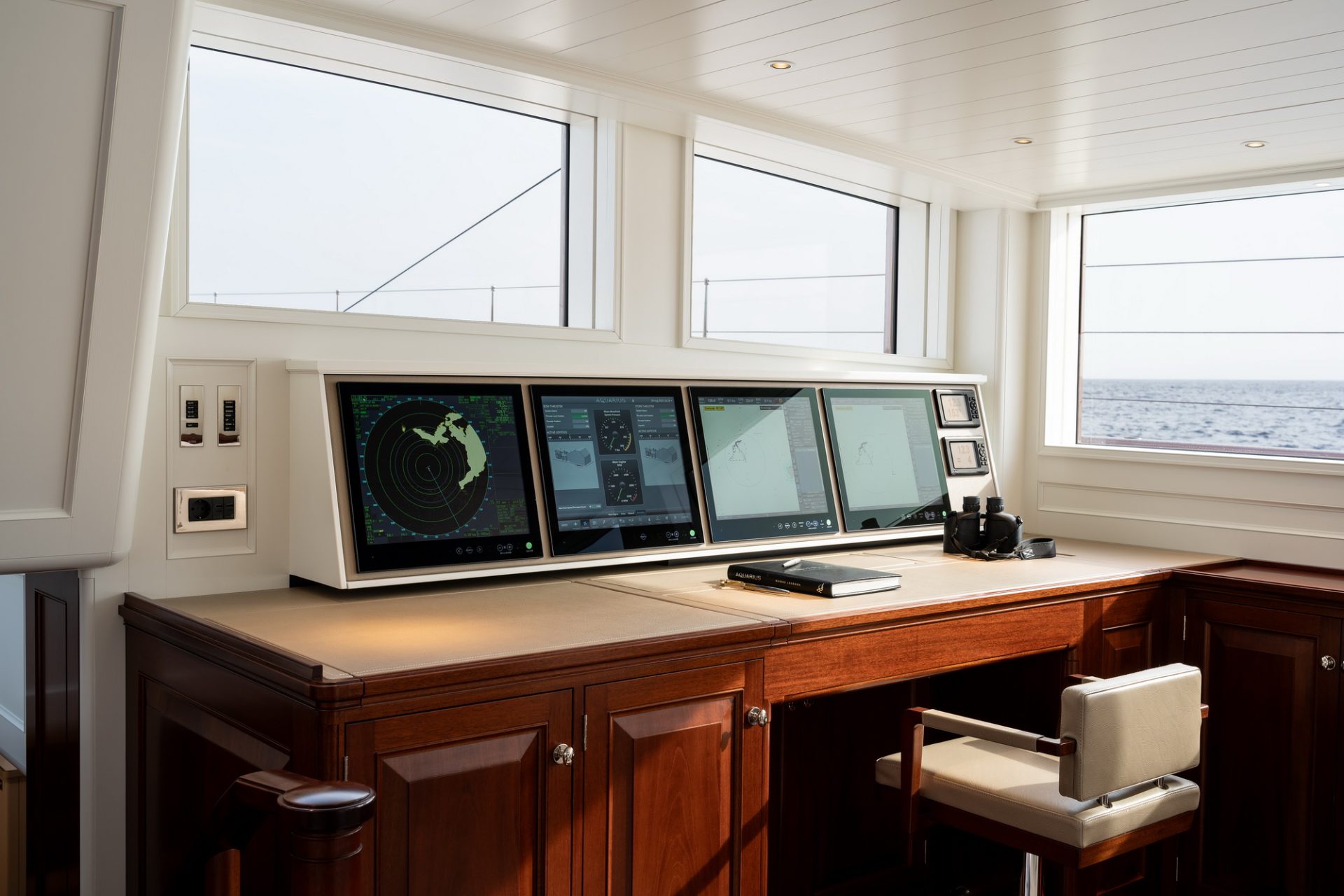
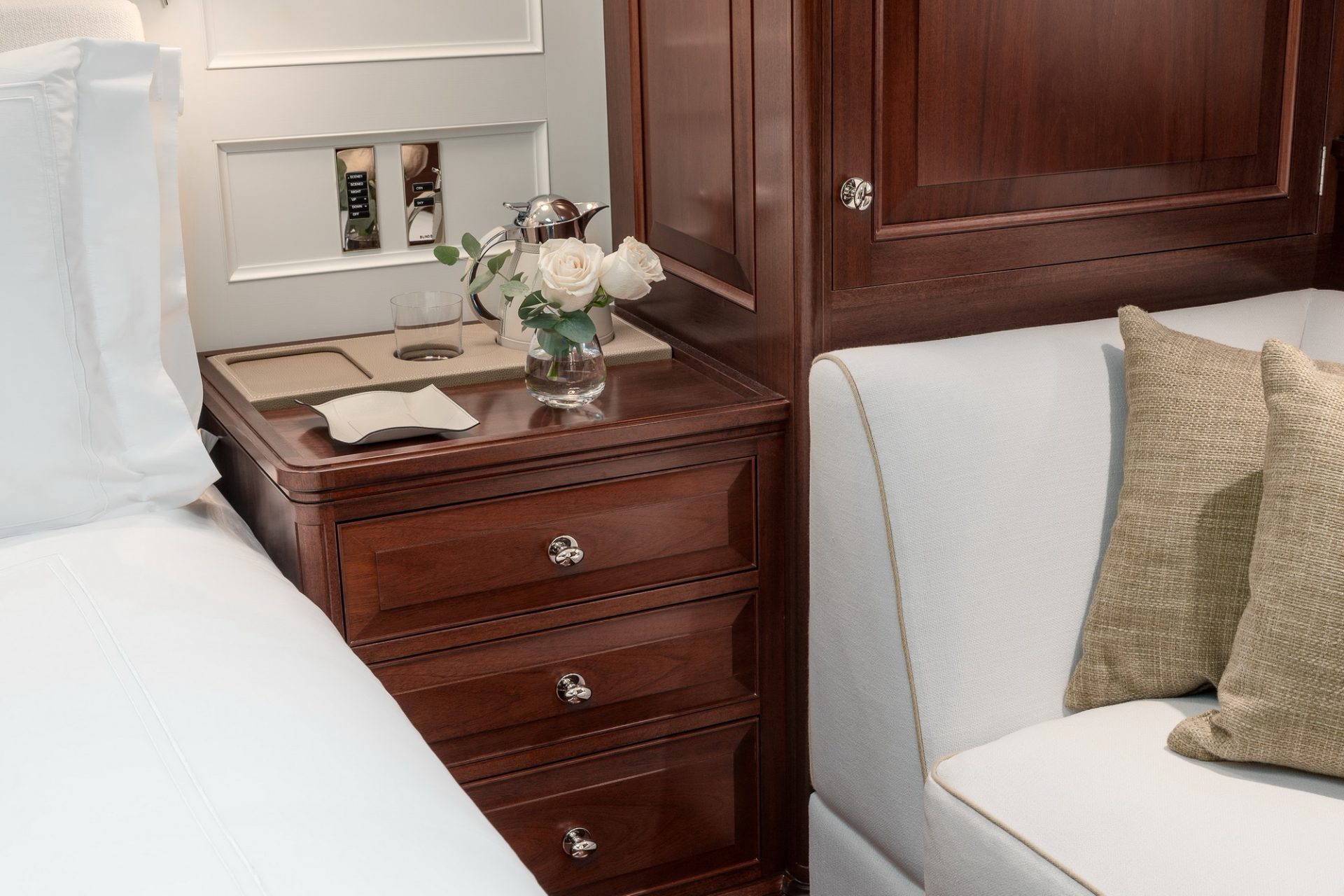
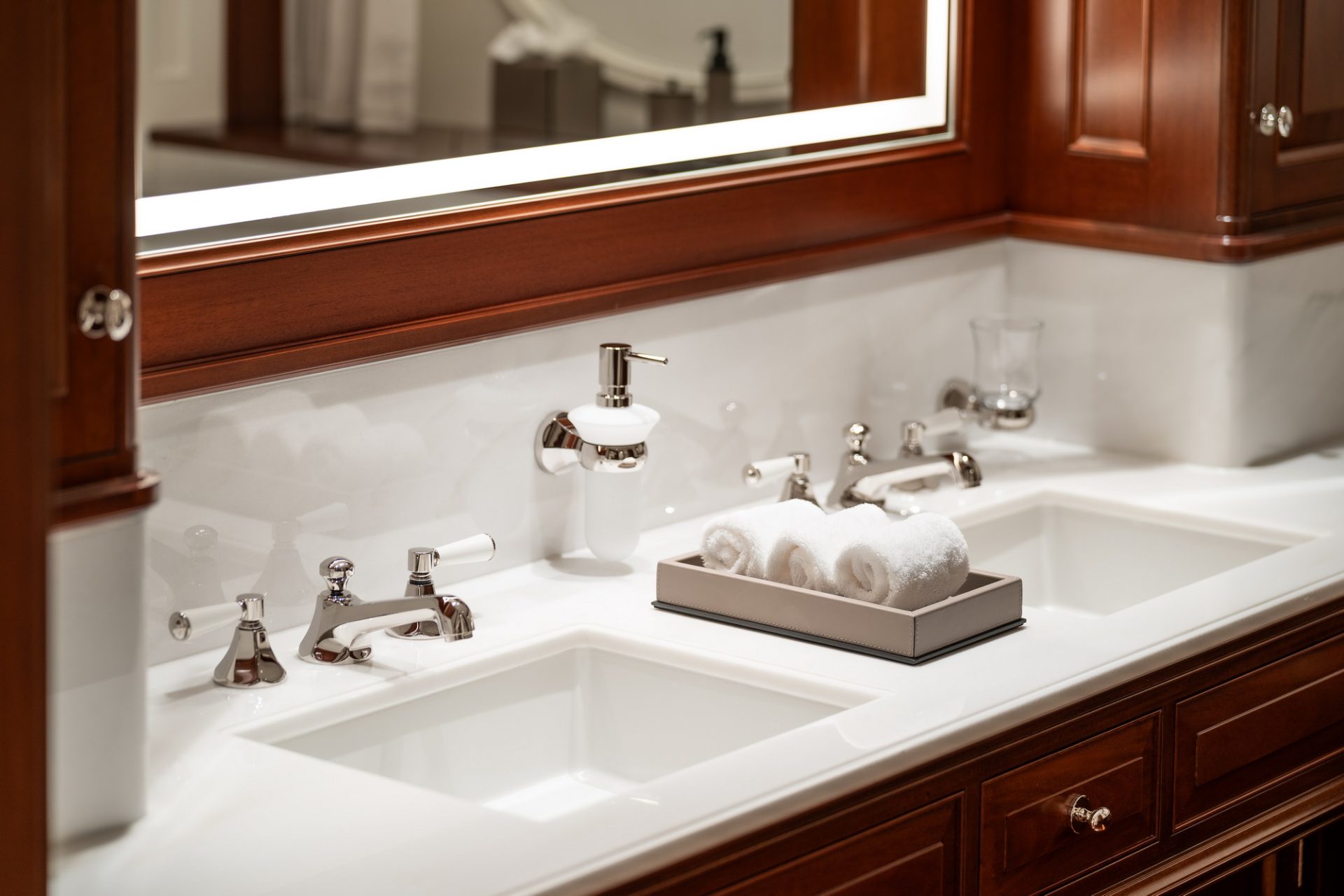
Mark Whiteley Design retained the relaxed, classically influenced interior character of the previous yacht, combining cream finishes and swietenia cabinetry with nickel hardware and contemporary detailing.
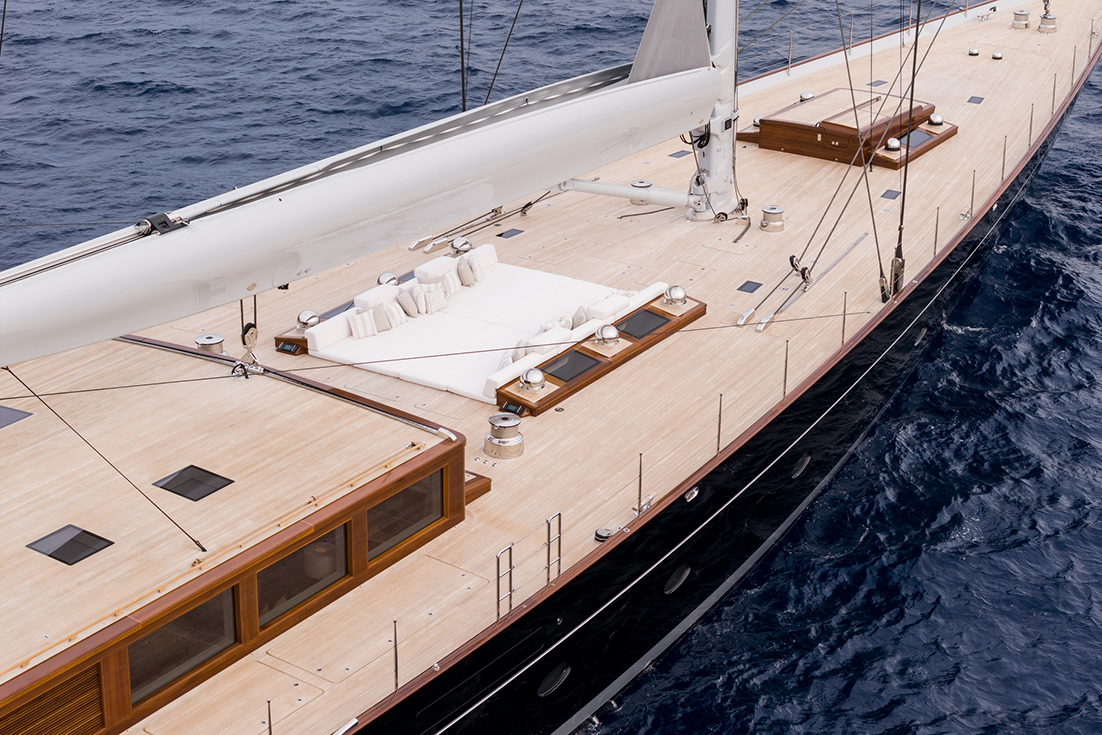
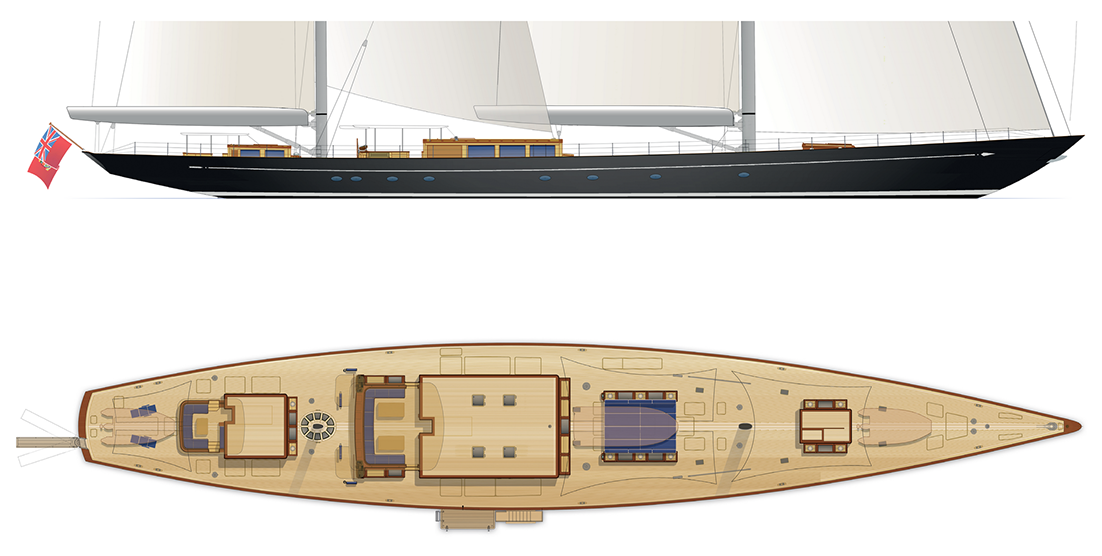
Externally, the family resemblance is equally deliberate. Dykstra Naval Architects retained the spoon bow, overhanging stern, black hull and teak deckhouses that characterised the previous Aquarius, while refining the underlying naval architecture.
Built to cruise and race
Despite her performance ambitions, Aquarius remains a long-range cruising yacht.
Royal Huisman constructed the hull in Alustar aluminium, using structural optimisation and its Featherlight methodology to reduce approximately 10 tonnes from the aluminium structure.
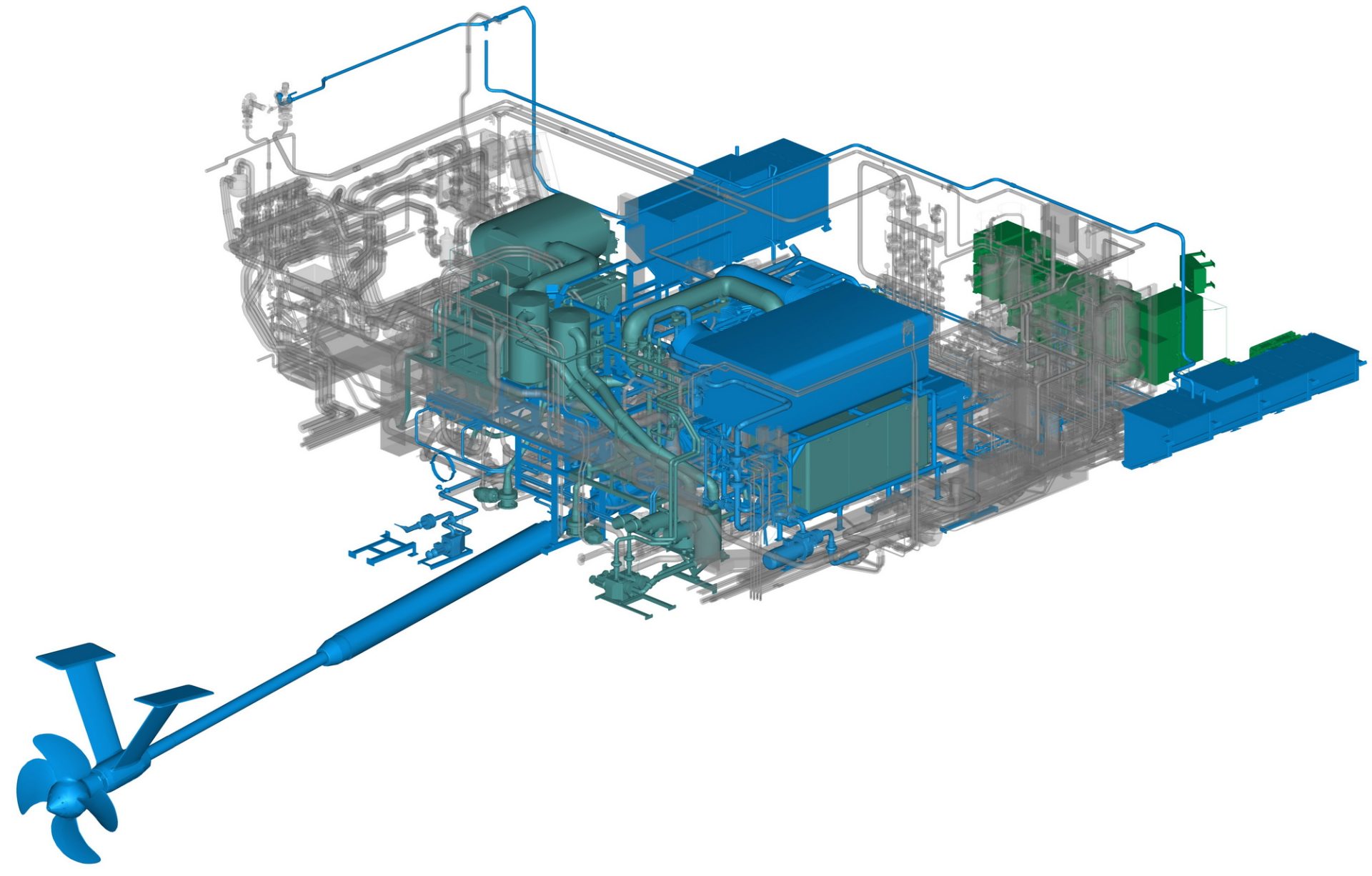
A semi-hybrid power system combines a 900kW MTU main engine with a 110kW shaft generator and 134kWh battery system for peak shaving.
The yacht made her regatta debut at the 2026 St. Barths Bucket, racing against the 67-metre Hetairos and 59-metre Maximus. The three yachts entered the final scheduled day tied on six points before excessive wind forced cancellation of the last race, leaving Aquarius third on countback.
Her owners have already confirmed plans to return for the 2027 edition.
For Aquarius, the brief was not simply to build bigger,” Royal Huisman CEO Peter Naeyé said. “It was to preserve the character the owners loved, while adding the volume, performance and technology refinement their next chapter required.”
Within her first 18 months, Aquarius had travelled around 20,000 nautical miles, including two transatlantic crossings and cruising between Norway and Sicily.
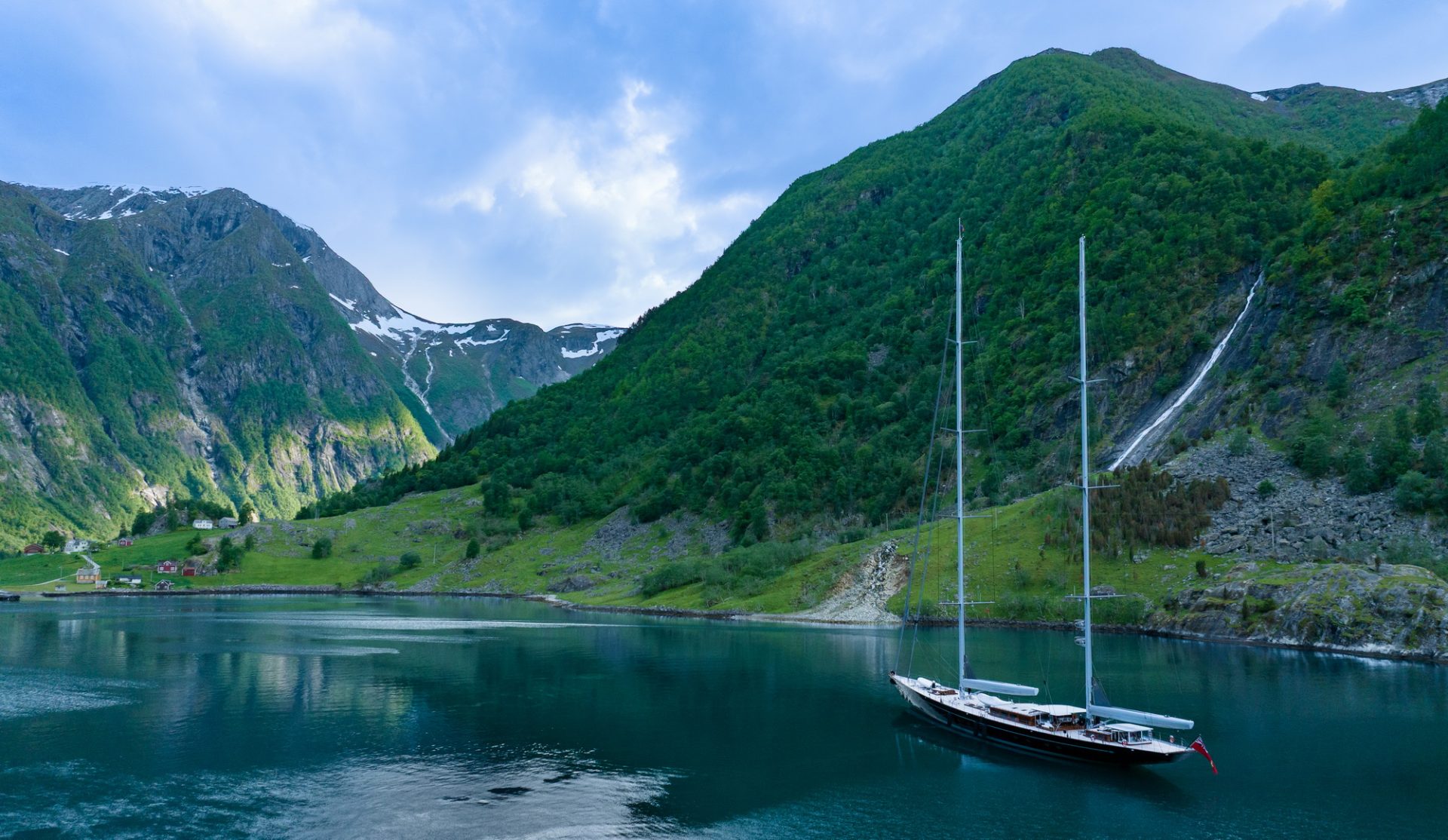
Key specifications
Aquarius
Builder: Royal Huisman
Project: 408
Type: Performance ketch
Length: 65m / 212ft
Beam: 10.8m / 36ft
Draft: 4.8–7.6m / 16–25ft
Naval architecture and exterior styling: Dykstra Naval Architects
Interior design: Mark Whiteley Design
Rig: Rondal carbon masts and furling booms
Rigging: Carbo-Link carbon
Sails: Doyle Sails
Upwind sail area: 1,958m²
Downwind sail area: 4,671m²
Propulsion: 900kW MTU main engine with 110kW generator
Energy storage: 134kWh
Cruising speed: 12.5 knots
Range: 3,900nm at 12.5 knots
Delivered: 2025
-

Advertisement
-
Advertisement
-
Advertisement
