

“Famers” for 2026
Glenn Ashby will be inducted into the America’s Cup Hall of Fame in 2026, recognising a career that has shaped the evolution of high-performance racing and modern racing yacht design.
27 March 2026
Advertisement
Glenn Ashby will be inducted into the America’s Cup Hall of Fame as part of the Class of 2026, joining a select group recognised for their contribution to the sport’s most influential competition.
Established in 1992 and based at the Herreshoff Marine Museum in Rhode Island, the Hall of Fame recognises individuals across sailing, design, innovation and media whose work has had a lasting impact on the America’s Cup. Inductees are selected on performance, international recognition and their contribution to the development of the event.
Confirmed this week, Ashby joins navigator Peter Isler, sailmaking pioneer Lowell North and the Beken family of photographers. While each represents a different part of the Cup’s history, Ashby’s career is firmly aligned with its most progressive period.
Advertisement
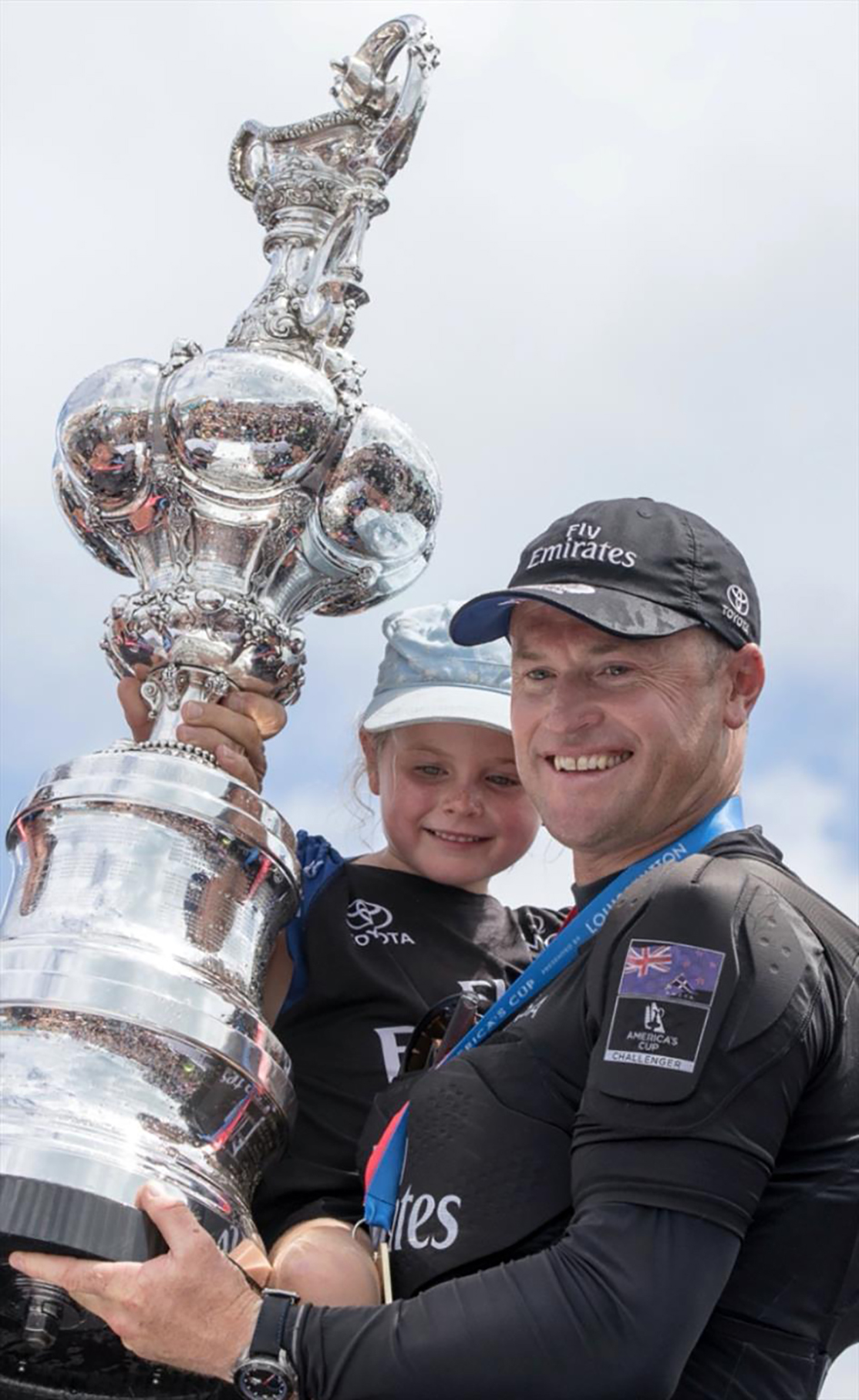
Across five campaigns and three teams, he secured three America’s Cup victories, working at the intersection of sailing performance and design through a period that saw the Cup move from displacement monohulls to foiling multihulls and, more recently, the AC75.
A sailmaker by trade and one of the most accomplished multihull sailors of his generation, Ashby’s role consistently extended beyond the cockpit. He became a key link between sailing and design teams, translating performance on the water into practical development gains, particularly as the Cup moved into increasingly complex, data-driven territory.
His early involvement with BMW Oracle Racing ahead of the 2010 Deed of Gift match introduced him to a campaign defined by scale and experimentation, helping guide the team through the demands of wingsail multihull racing and contributing to the eventual win in Valencia.
At Emirates Team New Zealand, his influence became more pronounced. As wing trimmer during the 2013 campaign in San Francisco, he was part of a team that came within one race of winning the Cup, before regrouping and returning with a more defined and disciplined approach.
By Bermuda in 2017, Ashby had stepped into the role of skipper, leading a lean campaign that prioritised clarity of thinking over budget. Central to that effort was a willingness to commit fully to a different direction, most notably the move to cyclor-powered systems.
Blue Robinson, representing Australia on the America’s Cup Hall of Fame Selection Committee, says Ashby’s contribution during this period was fundamental to the sport’s broader evolution.
Glenn Ashby has been a significant contributor to the evolution of how the America’s Cup is both raced and perceived,” he said.
“A foiling multihull specialist, Glenn was recruited by BMW Oracle Racing prior to the DOG match in 2010, to coach the sailors in a completely new dynamic to that team.
“Glenn’s influence in helping the teams evolve was a significant factor in that 2010 DOG win, plus Glenn was key to orchestrating the shift to skimming – then foiling, on the AC72 at ETNZ, where the ETNZ afterguard and management also came from a displacement monohull background and mindset.
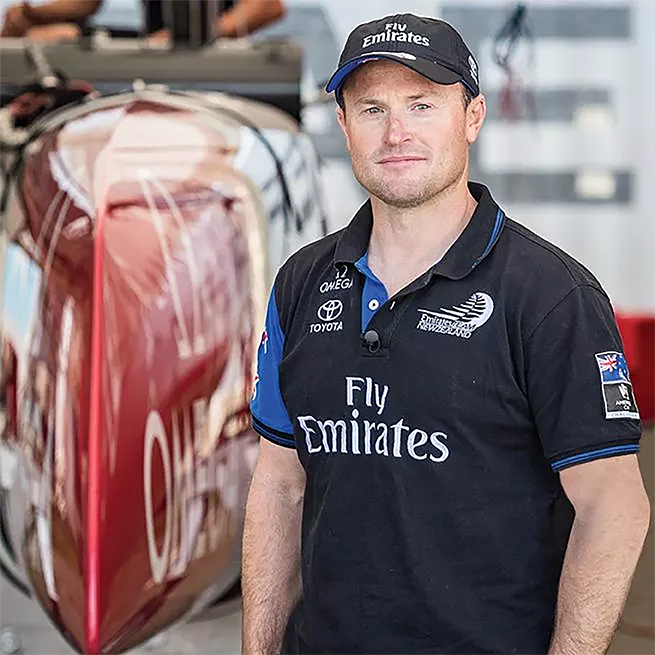
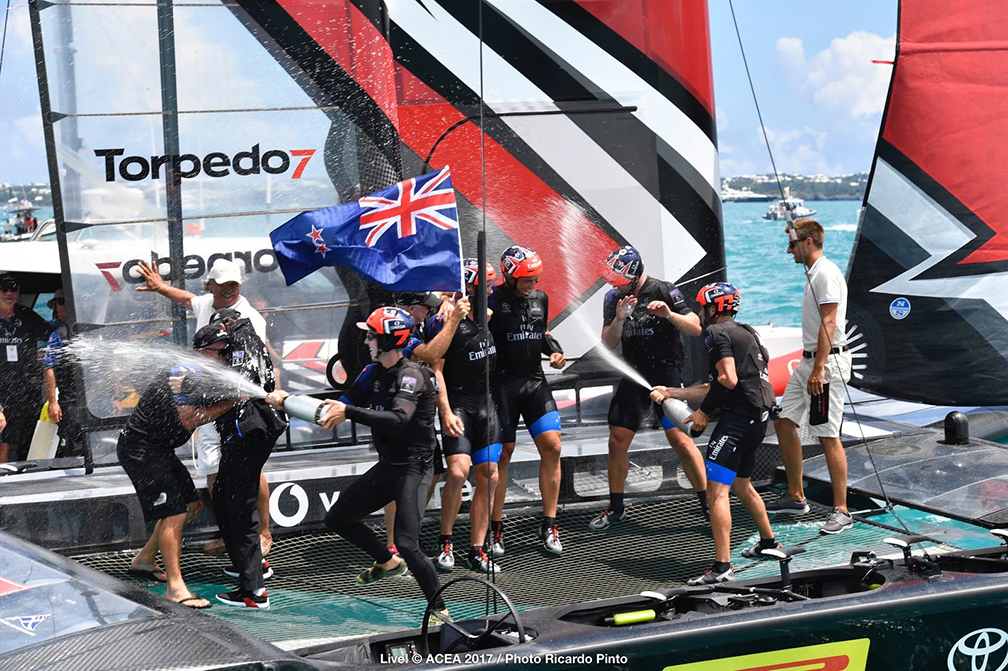
“Glenn was the wing trimmer in the historic close loss in San Francisco onboard ETNZ in 2013, and chose to remain with the lean team, to challenge again as ETNZ skipper in 2017 in Bermuda, winning by out-thinking, rather than out spending their opponents. His final contribution to the team was to help retain the Cup in Auckland in 2021.”
Robinson continued, “Glenn is a highly understated team player, and his contributions can be overlooked because of this modesty. Having won his first of ten A Class World Championships aged 19 in 1996, his understanding of the nuances of high-performance foiling was a rare commodity when he commenced his America’s Cup career.
“This depth of understanding allowed him the confidence to push for innovation – most significantly with the systems onboard ETNZ in 2017, where the team management wanted to hedge their bets, and develop a standard layout AC50 boat, plus a pedal powered option. Glenn pushed very hard for an all-out commitment to cyclors, and the systems which this configuration enabled, has shifted the Cup’s trajectory, returning it to New Zealand.
With colleagues like Dan Bernasconi, and outstanding talent around him, ETNZ has won and retained the Cup, but I believe the input of Ashby – shaping and influencing the broader and finer details contributing to this team’s success, made him an ideal candidate for selection to the America’s Cup Hall of Fame.”
Ashby went on to play a key role in New Zealand’s successful defence in Auckland in 2021 as mainsail trimmer aboard the AC75, reinforcing his ability to adapt across vastly different classes while maintaining a consistent influence on performance outcomes.
Beyond the Cup, his broader career underlines the depth of that experience. A 10-time A-Class catamaran world champion and Olympic silver medallist in the Tornado class, he developed a technical understanding of sail design and aerodynamics early, beginning his apprenticeship as a sailmaker at just 16 years of age.
The wider Class of 2026 reflects the breadth of contribution that defines the America’s Cup.
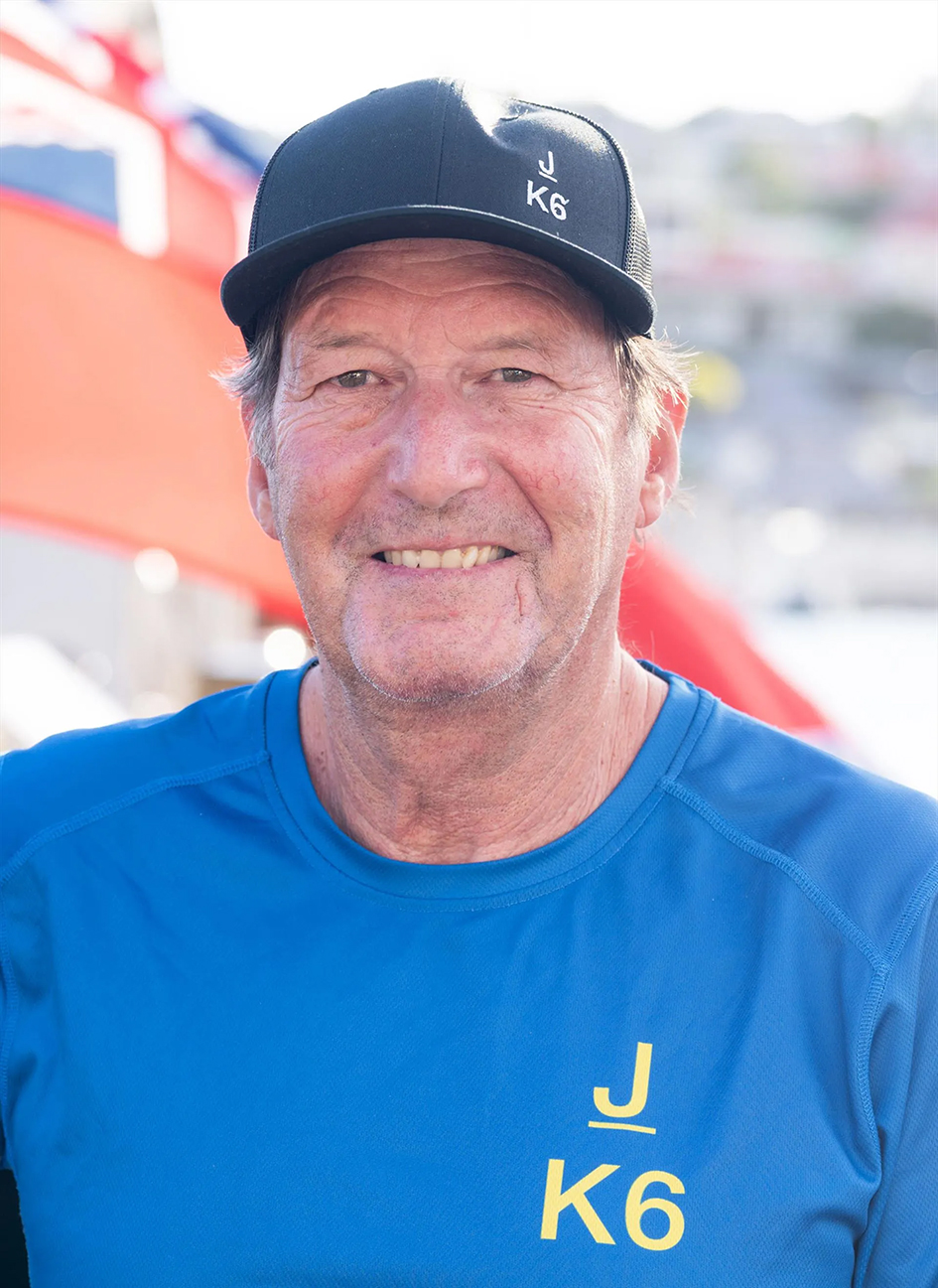
Glenn Ashby (AUS) (b.1977)
Glenn Ashby grew up in Bendigo, Victoria, Australia, sailing dinghies and small catamarans on local lakes. Showing early talent for multihulls, he left school at 16 to pursue an apprenticeship in sailmaking, gaining hands-on expertise in sail design and aerodynamics. This foundation later helped him develop rigid-wing sails and twin-skin mainsails for Emirates Team New Zealand.
Before his America’s Cup career, Ashby established himself as one of the greatest multihull sailors in history, winning 17 World Championships across A-Class Catamaran, Tornado, and Formula 18. He also won a silver medal at the 2008 Beijing Olympics in the Tornado class with Darren Bundock.
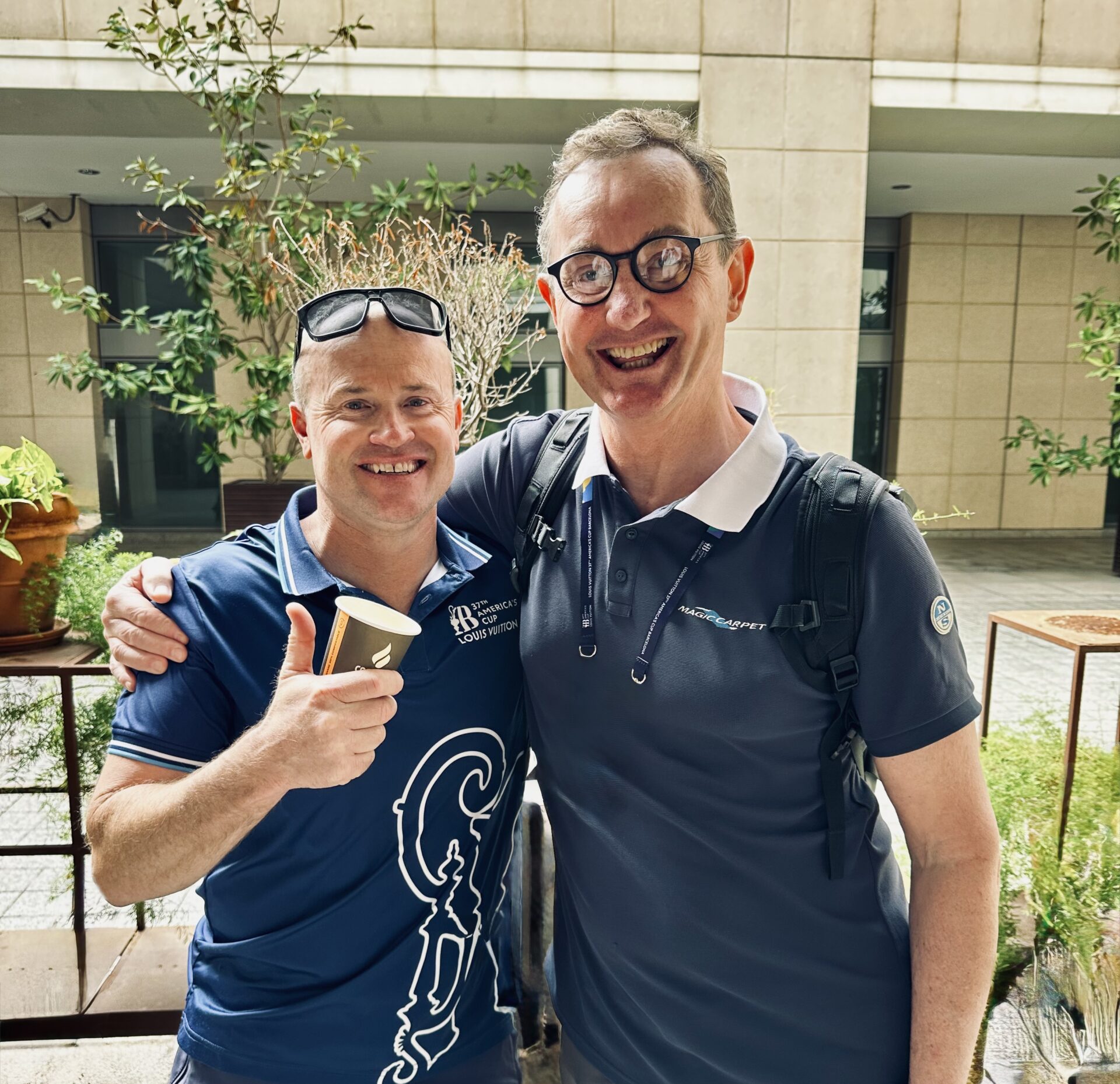
Across multiple America’s Cup cycles, Ashby became a central figure in some of the most advanced and successful campaigns of the modern era. Working across American, New Zealand and French teams, he combined sailing expertise with technical insight, contributing to three Cup-winning programs and playing key roles onboard as a trimmer and skipper.
His ability to connect performance on the water with design development made him an influential figure as the competition evolved into a high-speed, foiling contest.
An avid motorcyclist and speed enthusiast, Ashby extended his pursuits to land yachting, leading Emirates Team New Zealand’s land-speed project and piloting HORONUKU to 222.4 km/h on Lake Gairdner in 2022.
After the 2024 America’s Cup, he joined French Orient Express Racing as coach/consultant and then moved into technical commentary for the host broadcast in Barcelona, bringing his deep technical and sailing insight to a global audience.
Ashby’s influence also extends to culture: he has been instrumental in shaping Emirates Team New Zealand’s open, innovative approach, bridging cutting-edge technical design with practical sailing practices.
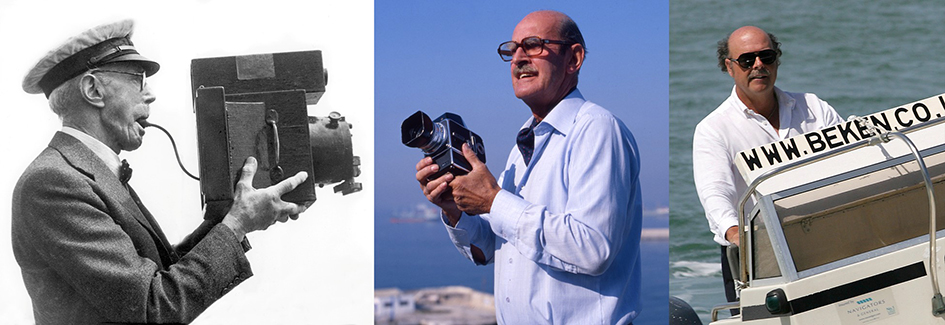
The Beken Dynasty
(ENG)
Synonymous with English yachting for 150 years, three generations of the Beken family have documented the America’s Cup like no others.
Over three generations, the Bekens have photographed participants in at least 19 America’s Cup Challenges, covering nearly 150 years of the Cup’s history.
They began well before the Rosenfelds and continued long after them. As technical pioneers, they captured images that have appeared in reportage and every book on the history of the America’s Cup.
Frank Beken (1880–1970)
Frank Beken arrived in Cowes in 1888, and fascinated by yachts in the Solent, he quickly realised traditional cameras couldn’t handle life at sea. With that in mind, he designed a wooden, hand-held camera, using his body as a gimbal and biting a rubber ball to trigger the shutter, capturing sharp, level images despite the motion.
His first America’s Cup photo was an onboard shot of LIVONIA. He went on to photograph GENESTA, GALATEA, THISTLE, VALKYRIE II & III, all five SHAMROCKS, ENDEAVOUR I & II, and US defenders VIGILANT and YANKEE.
Beyond iconic portraits, his images were practical tools for yacht owners and crews, who studied sail trim and rigging for the next day’s racing. King George V was a frequent visitor, always eager to see the latest BRITANNIA photos.
Keith Beken (1914–2007)
Keith joined his father in the 1930s, photographing ENDEAVOURS and 12 Metres for the America’s Cup. Post-WWII, he became Official Photographer for the British Challenge, filming crews and analysing training to improve performance. He documented Red Duster races, rigs, and the 1964 SOVEREIGN challenge.
Keith continued sailing photography into his 80s, retiring at 82 after capturing the iconic image of SILK nosediving in the Solent in 1996.
Kenneth Beken (b. 1951)
Ken joined Beken of Cowes in 1969. His first America’s Cup photos came in 1979 at the 12 Metre World Cup with LIONHEART. He later documented Peter de Savary’s VICTORY team, the 1987 Cup in Fremantle, and the 1992 challenge IL MORO DI VENEZIA vs AMERICA3.
In 2013, he also captured a dramatic image of AOTEAROA and USA 17, nearly capsizing in a catamaran race for the spectacular shot. Ken also proposed the 2001 America’s Cup 150th-anniversary rerun around the Isle of Wight, which became a celebrated event. His son Jason chose classic yachts instead of photography and now captains SHAMROCK V.
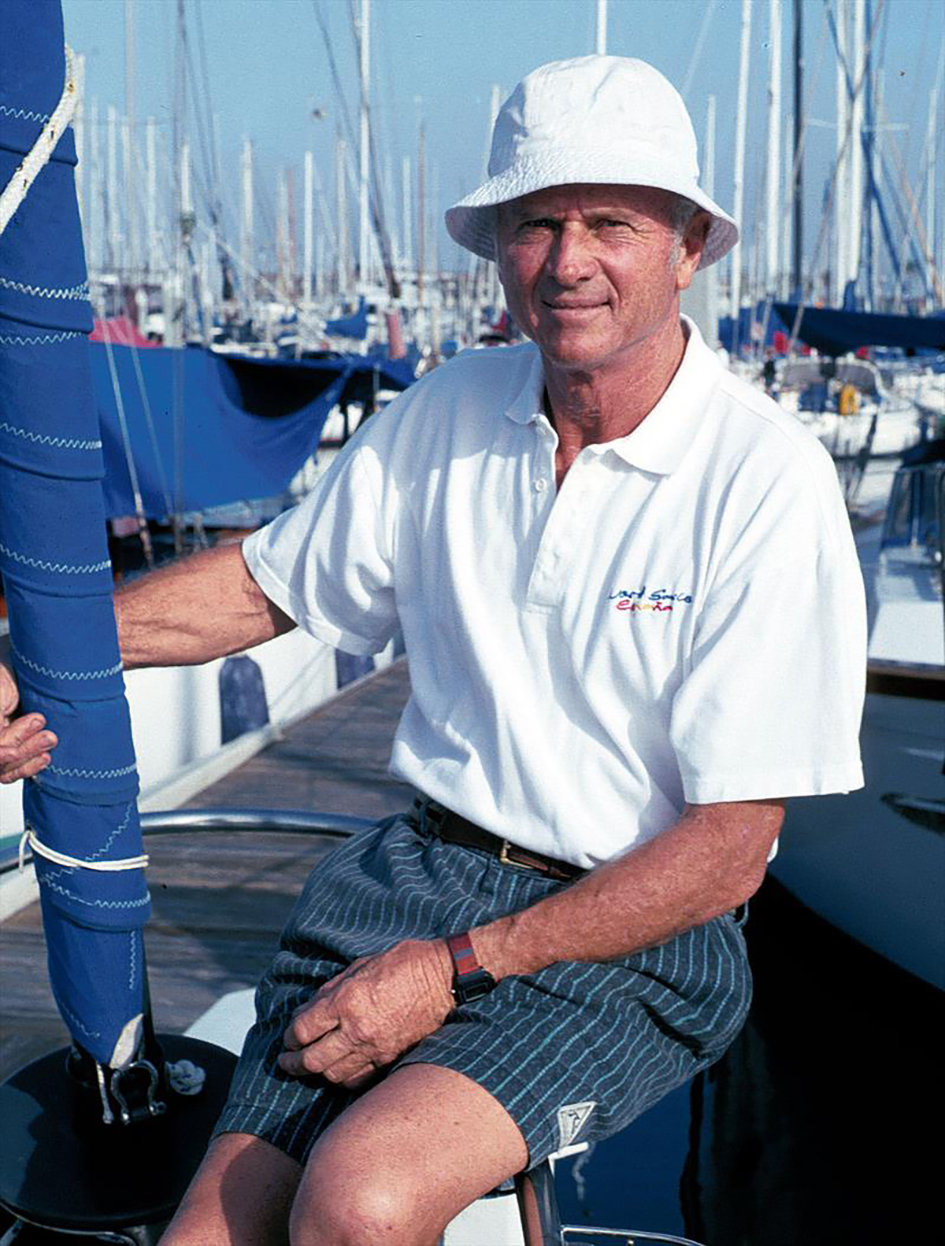
Peter Farnham Isler (USA) (b.1955)
Peter Isler navigated two winning America’s Cup campaigns: aboard the 12-Metre STARS & STRIPES in 1987 and the 60-foot catamaran STARS & STRIPES in 1988. He also sailed in three more campaigns (2000, 2003, 2007) in the afterguard.
Raised in Noroton, Connecticut, Isler sailed dinghies and offshore yachts, earning the nickname “Pedro.” At Yale, he was Intercollegiate Sailor of the Year in 1976 and used his meteorology skills to guide Dennis Conner to Cup victory in 1987, famously heard on live onboard broadcasts off Fremantle.
Isler has coached Olympic sailors, authored books including Sailing for Dummies and At the Helm, and been Editor-at-Large for Sailing World since 1991.
He’s also a celebrated offshore navigator, winning the Newport-Bermuda, Transpac, and Transatlantic races aboard yachts like PYEWACKET and RAMBLER 88 and he co-founded the American Sailing Association and remains active in sailing education.
Lowell Orton North (USA) (1929–2019)
Lowell North was an American sailor, engineer, and sailmaker whose relentless pursuit of speed and accuracy transformed competitive sailing and the America’s Cup. A world‑class racer and visionary founder of North Sails, he combined scientific precision with on-the-water experience to change how sails were designed, built, and used.
By 1980, every winning America’s Cup yacht featured North Sails, and innovations like Mylar laminates, tri-radial designs, and 3Di moulded sails transformed competitive sailing.
A world-class racer, he also won a Star Class World Championship at 16, Olympic gold in 1968, and five Star World titles.
North also mentored generations of sailors and designers, including multiple future America’s Cup Hall of Famers, fostering a culture of innovation and excellence. He remained influential until his death in 2019, leaving a legacy of speed, precision, and engineering-driven performance that reshaped the sport and established North Sails as the world’s leading sailmaker.
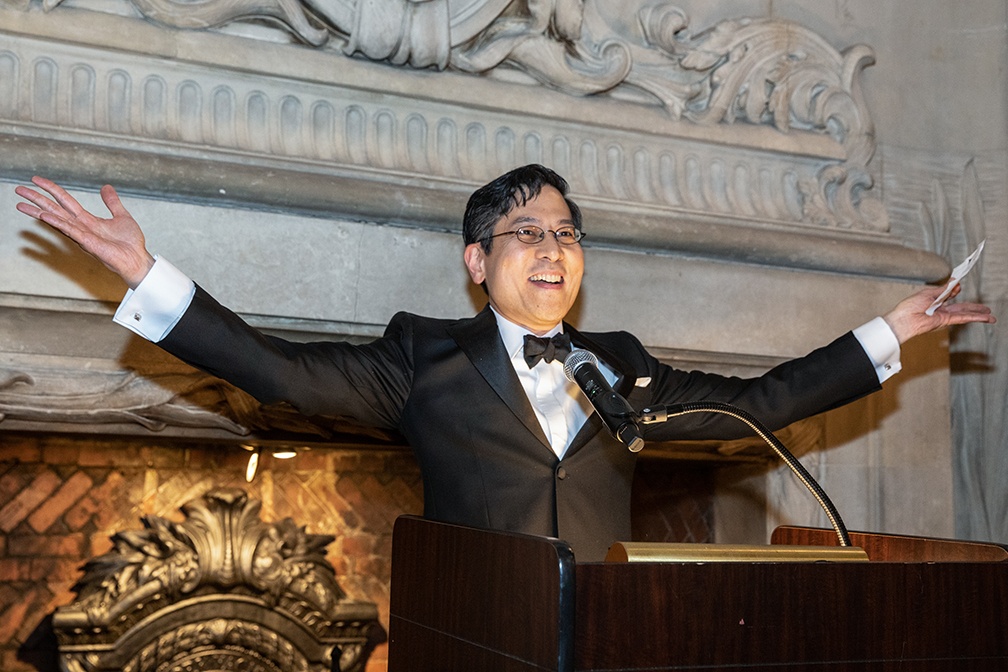
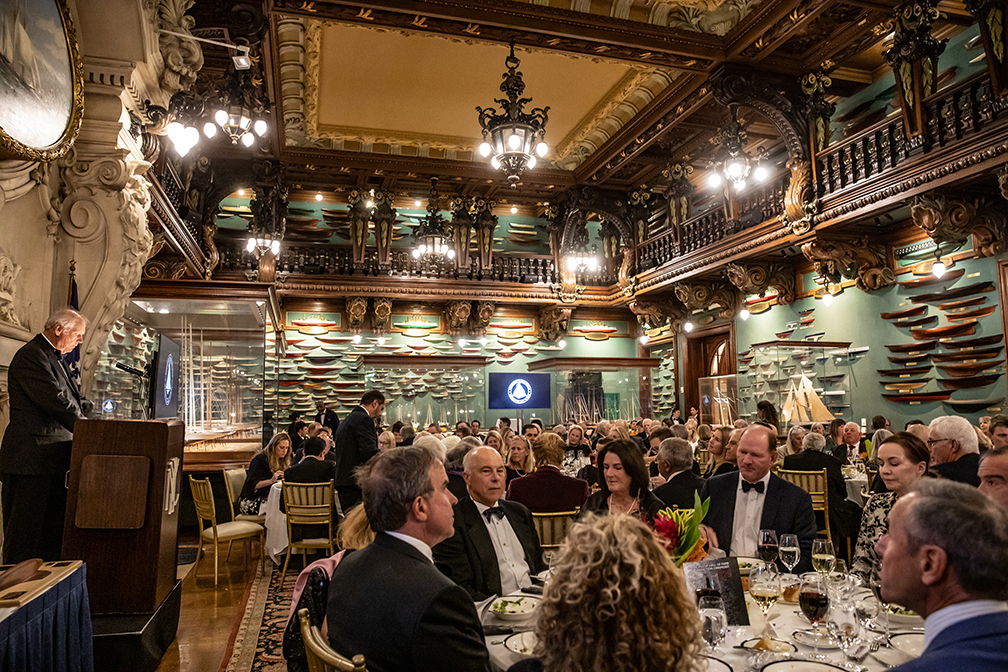
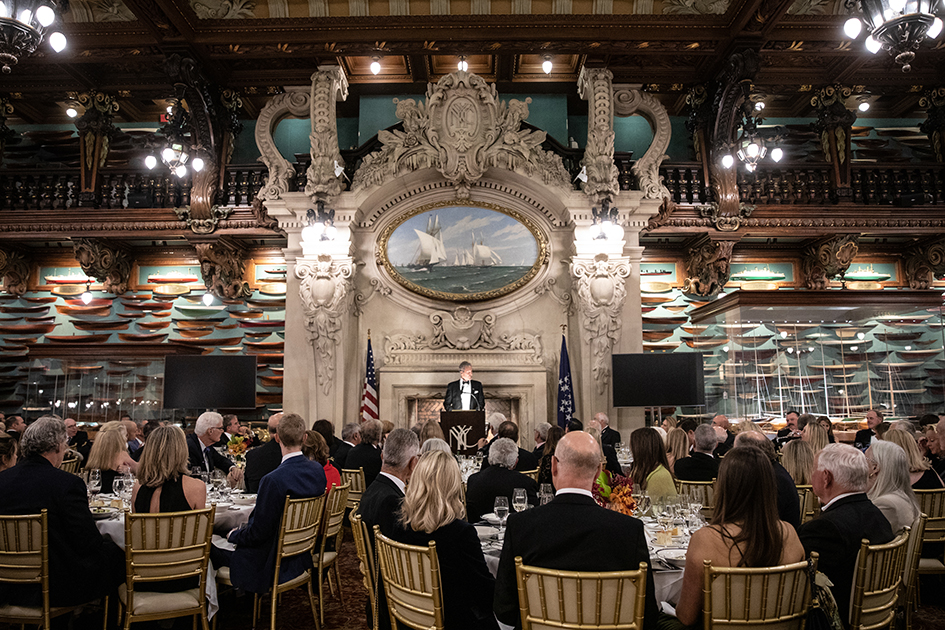
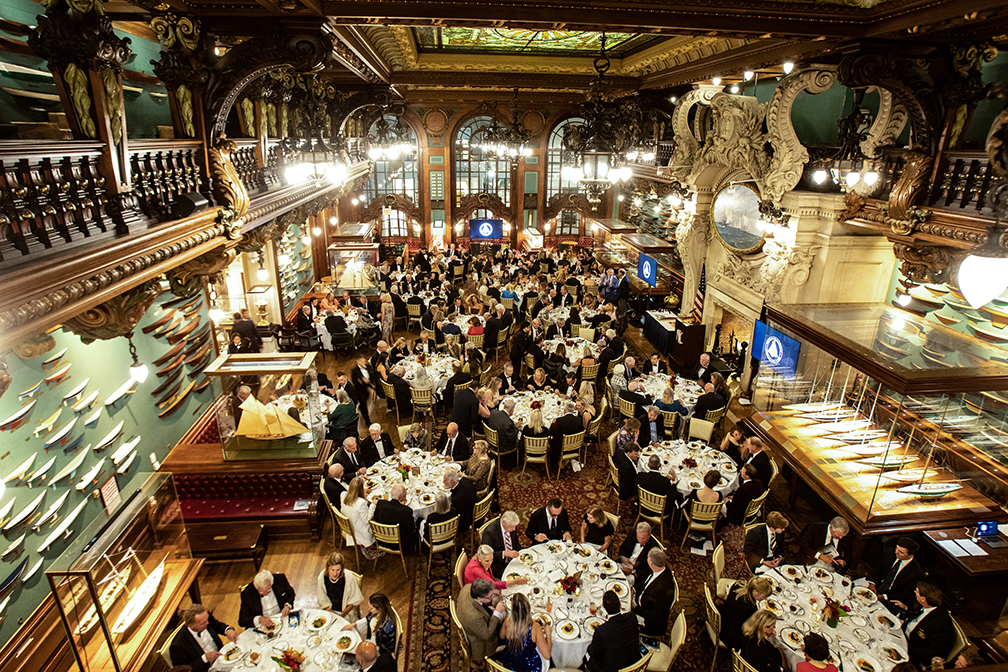
They will be formally inducted on 16 October 2026 at the annual Gala at the New York Yacht Club.
America’s Cup Hall of Fame Selection Committee
Steven Tsuchiya, Chairman
Margherita Bottini
John S. Burnham
Brad Butterworth
William Collier
Richard Gladwell
Jack Griffin
Halsey C. Herreshoff
Tim Jeffery
Gary Jobson
Andrew Johns
Murray Jones
William H. Dyer Jones
John Lammerts van Bueren
Ken McAlpine
Elizabeth E. Meyer
Shirley Robertson
Blue Robinson
Hamish Ross
Mike Toppa
Bruno Troublé
Tom Whidden
-

Advertisement
-
Advertisement
-

Advertisement