

Zero hour
Vitters' 68.91-metre sailing yacht Zero has launched in Harlingen, turning one of yachting’s most ambitious renewable-energy concepts into a working platform for fossil-fuel-free cruising.
Photography by Tom van Oossanen
14 July 2026
Advertisement
After seven years of development, studies, engineering and construction, Zero has reached the water in the Netherlands. Built by Vitters Shipyard, with exterior and interior design by Vripack and naval architecture by Dykstra Naval Architects, the ketch has been conceived as both a working superyacht and a reference project for renewable-energy systems in yachting.
Designed to operate on harvested renewable energy while maintaining comfort, cruising autonomy and classic sailing-yacht elegance, Zero brings together a suite of technical solutions intended to demonstrate what is possible beyond fossil-fuelled operation.
Those solutions include breathing masts, a 250 kW hydrogeneration system, an innovative micro-grid, hybrid photovoltaic-thermal panels, custom control software and an integrated approach to energy storage, management and efficiency.
Advertisement
Importantly, the technologies are being shared through an open-source platform, allowing other designers, builders, engineers and owners to explore, adopt, adapt and refine the systems for future marine projects.
Zero began with the seed of an idea in 2019. Over the following four years, the project took shape through collaboration among Vripack, Dykstra Naval Architects and Vitters Shipyard, supported by a wide group of subcontractors and technology partners.
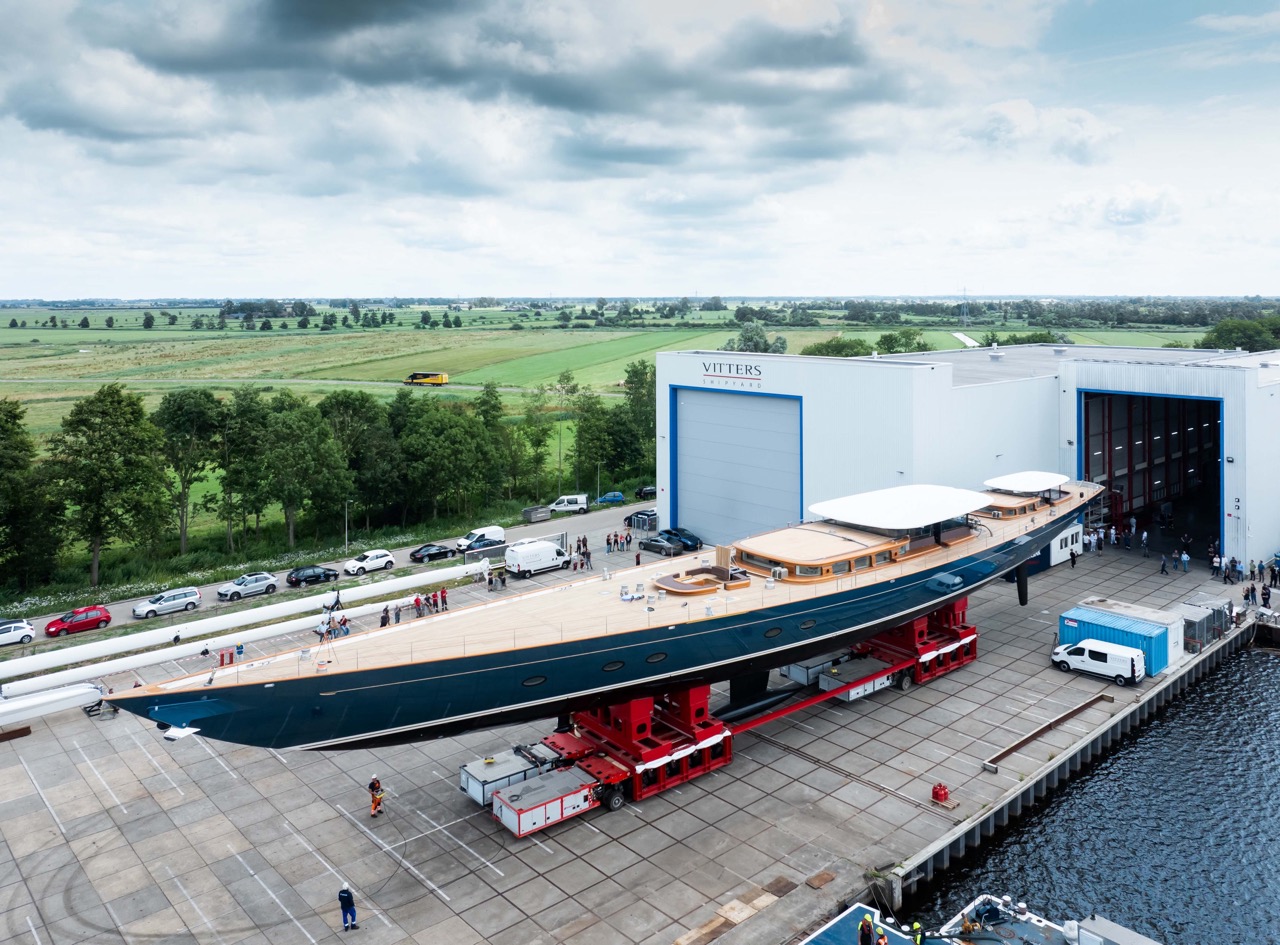
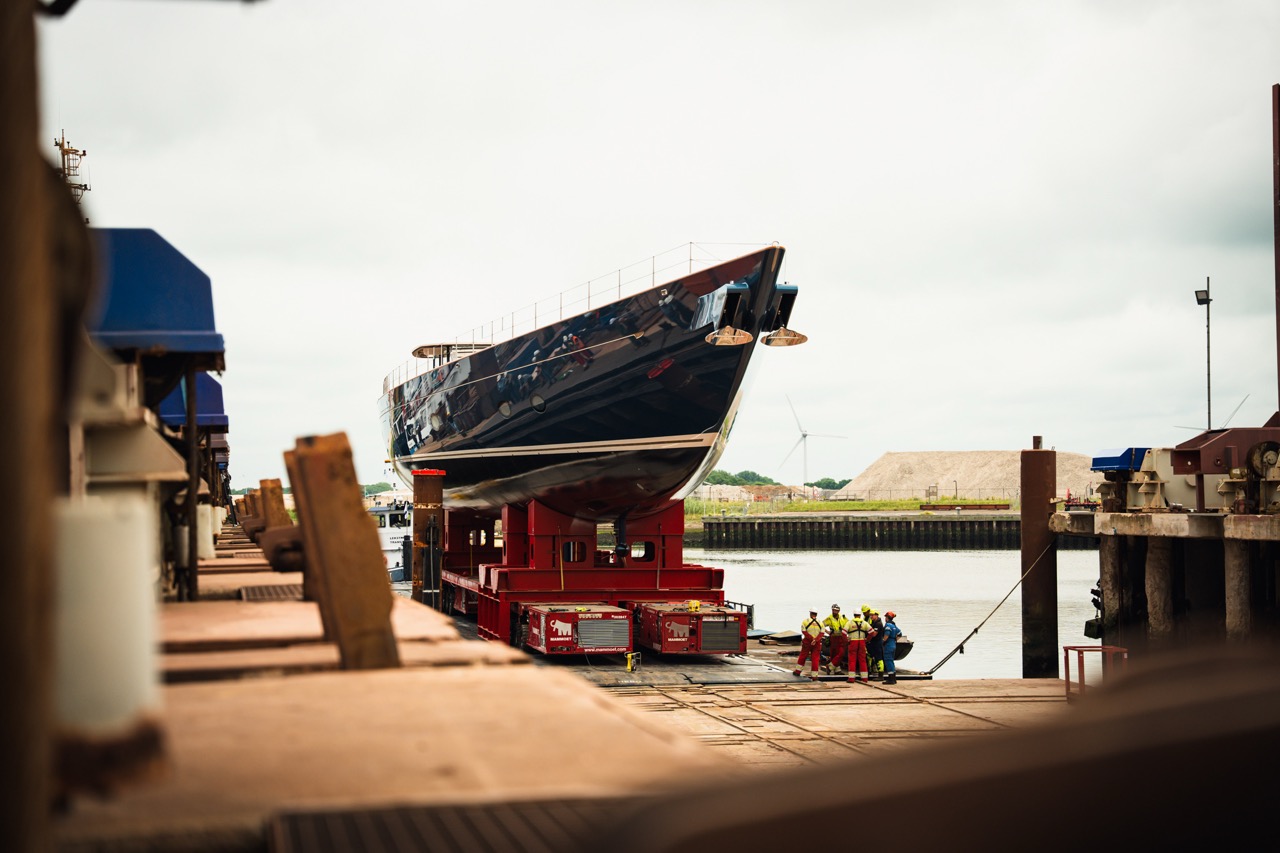
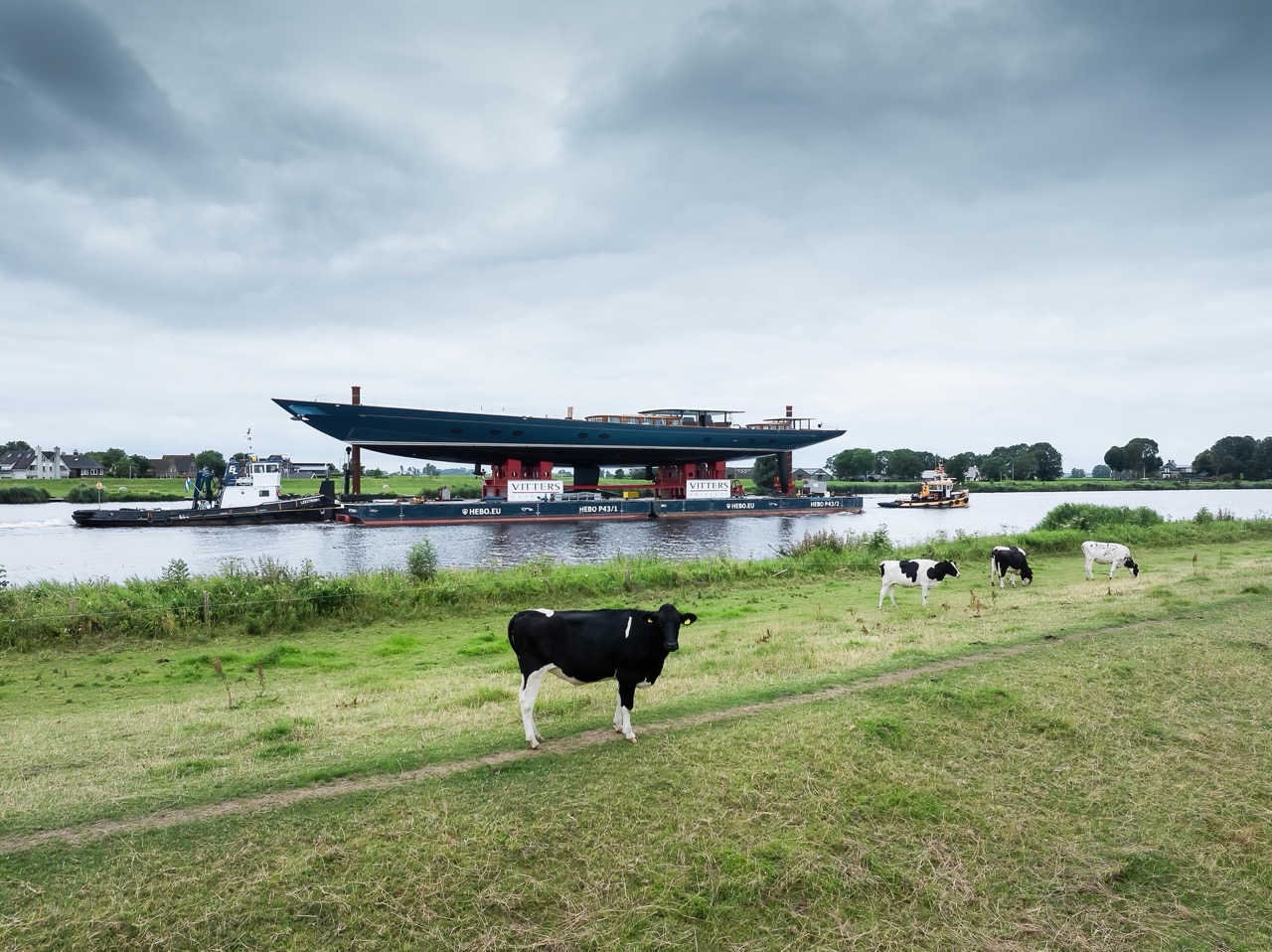
Construction started in 2023 at Jacht- en Scheepswerf Gouwerok, where the aluminium hull was built. The hull was then transferred by barge to Vitters Shipyard in Zwartsluis, where outfitting began.
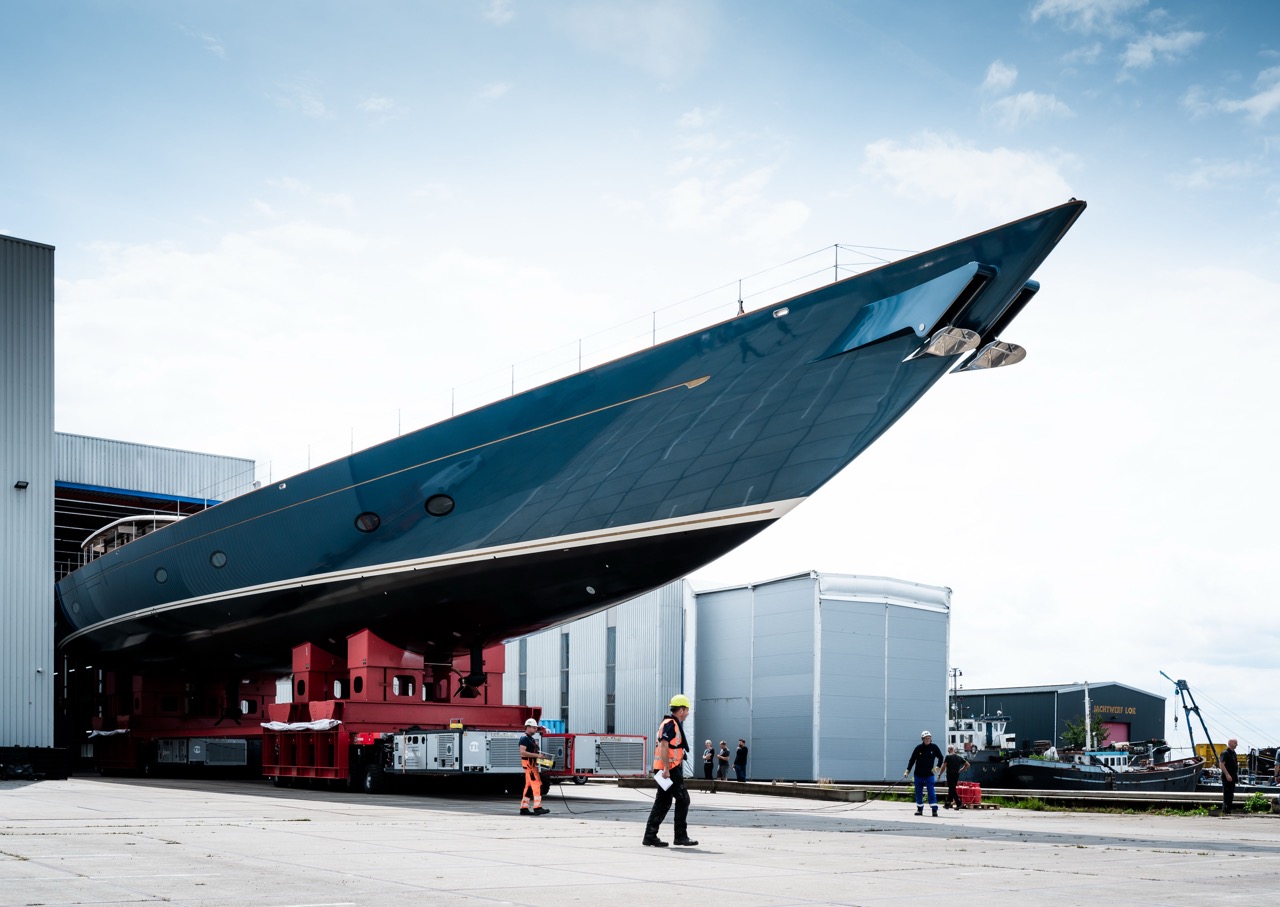
On 6 July 2026, Zero emerged from the construction hall before being transferred by barge to Harlingen for her technical launch and the stepping of her Panamax-height masts.
Her Palma Blue hull, sleek decks and teak-alternative Tesumo decking reflect a design language that blends classic sailing-yacht elegance with contemporary detailing.
The project team says Zero shows that embracing renewable energy and moving away from fossil fuels does not have to mean accepting utilitarian styling or intrusive technology.
SY Zero has been our Perfect Storm,” says Marnix Hoekstra, Co-creative Director at Vripack. “It challenged us in all the ways we like to be tested, and we will forever be proud to have been part of this very special team.”
Louis Hamming, CEO of Vitters Shipyard, says the launch represents an important moment for both the yard and the wider sector.
“We look forward to seeing SY Zero in her natural habitat and showing the world what can be achieved when creative minds embark together on a voyage to create a yacht that proves what can be done to make the world and the seas a little better.”
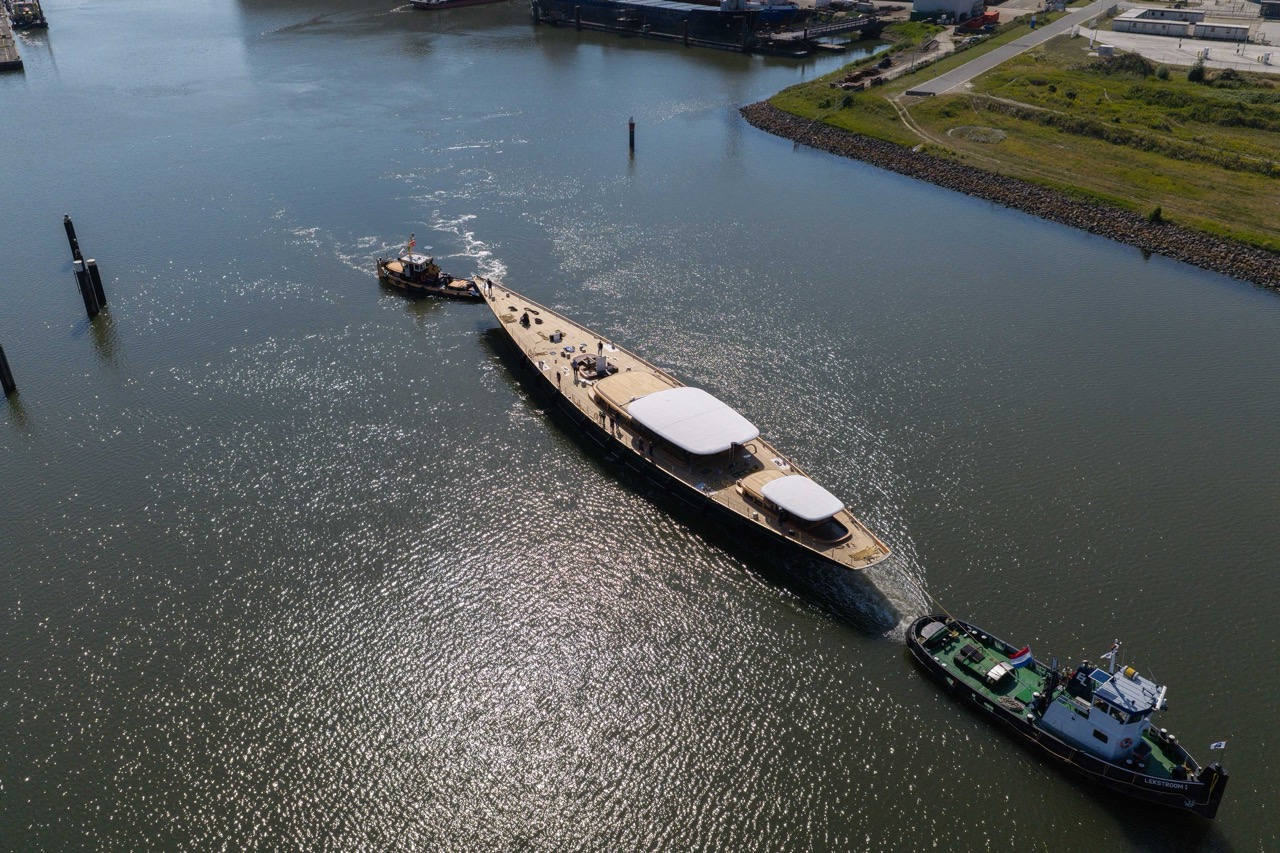
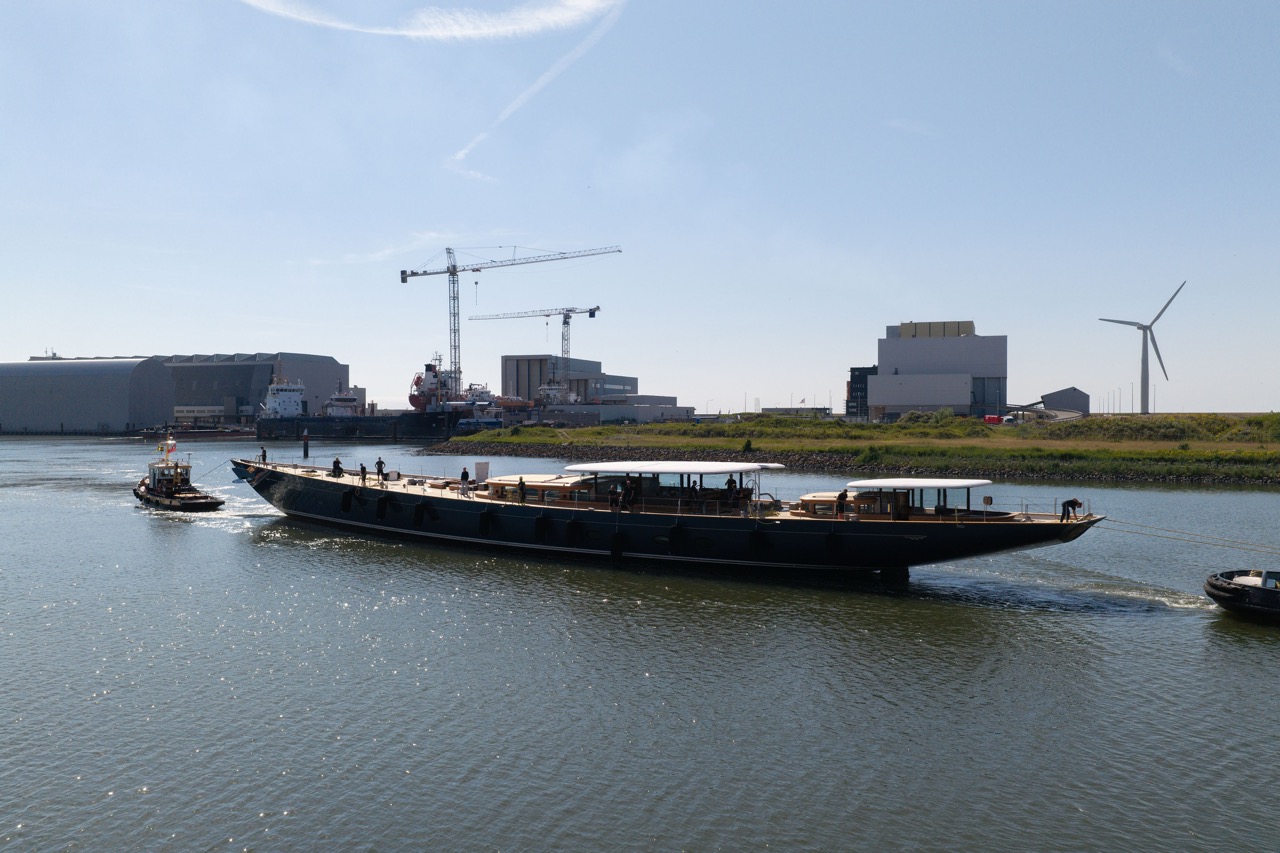
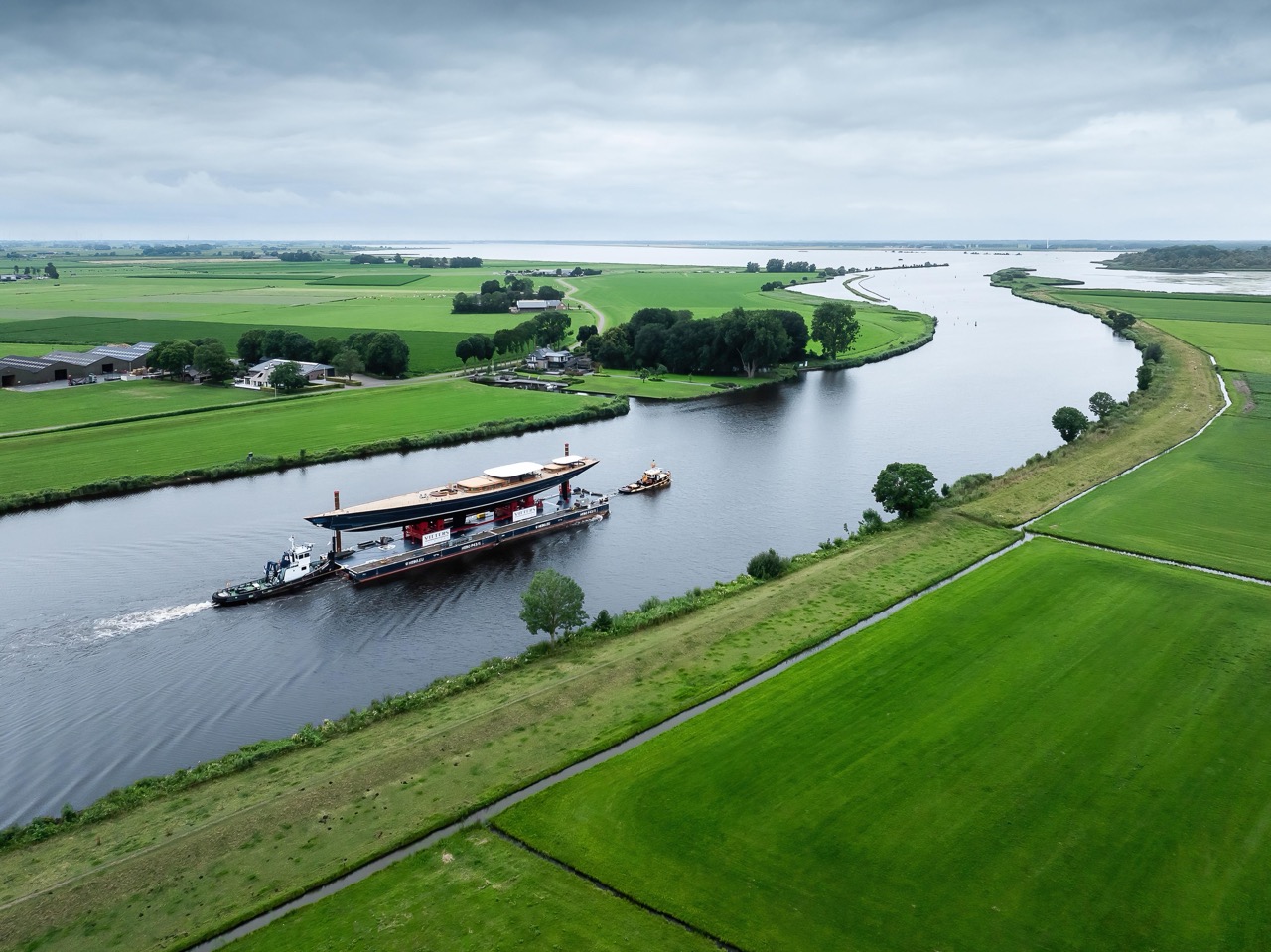
The launch marks the beginning of the yacht’s next phase, rather than the end of the project. Zero will now embark on an extensive sea-trial program, during which her systems will be tested and validated and initial data gathered.
For years, Zero has existed as a vision, a series of calculations, design studies and engineering hypotheses,” says Mark Leslie-Miller, Partner at Dykstra Naval Architects. “Seeing her afloat transforms all of that into a living experiment.”
Data from the yacht’s systems, along with research insights, software code and system-design schematics, will be shared publicly through the non-profit, open-source Foundationº platform.
Foundationº was given exclusive access to the project to highlight and share its technologies. It has covered the project in depth but is unrelated to the build and has no ownership stake in the vessel.
Through foundationzero.org, the platform will continue to share information about Zero’s technologies, the results of her sea trials and other renewable-energy projects across marine, urban and rural applications.
At a glance
Zero
Builder: Vitters Shipyard
Length: 68.91 metres
Beam: 11.11 metres
Draft: 4.22 metres minimum, 8.4 metres maximum
Displacement: 456 tonnes
Gross tonnage: 494 gt
Air draft: 62.5 metres, Panamax
Sail area: 1,912 square metres upwind
Hull construction: Aluminium
Configuration: Ketch with lifting keel
Batteries: 5.2 megawatt-hours, 28 tonnes
Naval architecture: Dykstra Naval Architects
Design: Vripack
Year: 2026
Key feature: Designed to operate on harvested renewable energy, with technical solutions shared through an open-source platform.
vitters.com
sy-zero.com
foundationzero.org
-

Advertisement
-
Advertisement
-

Advertisement
