

Blue breakthrough
Record-breaking solo sailor Lisa Blair is leading a landmark initiative to develop a collaborative solution for next-generation hulls and revolutionise the maritime industry.
01 May 2026
Advertisement
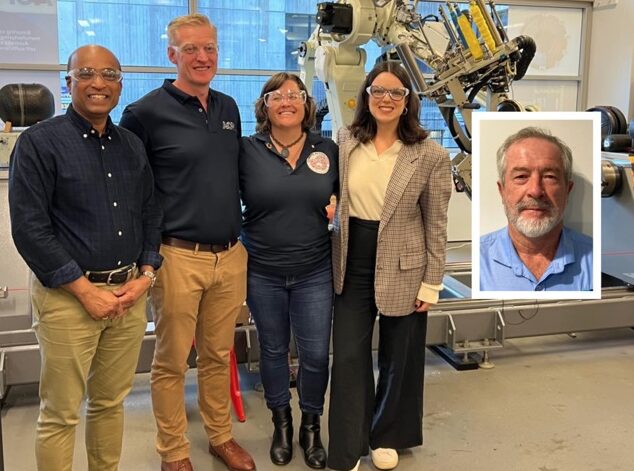
In a goal to advance sustainable marine composites, world record explorer Lisa Blair OAM, the Australian Composites Manufacturing CRC (ACM CRC), UNSW Sydney, and Steber International have launched a solution-focused research project: Sustainable Composites for Next Gen Boat Hulls.
The unique two-year collaboration – a $1.9 million research partnership – aims to investigate the viability of basalt fibre (derived from volcanic rock) and current bio resins as a scalable solution to outperform fibreglass and provide a circular solution to a growing industry problem.
The initiative addresses the urgent challenge of end-of-life vessel waste and the marine sector’s heavy reliance on non-recyclable materials. Currently, figures estimate that 35 to 40 million fibreglass boats worldwide are reaching their end of life, with no scalable pathway for recycling, and that these vessels are becoming a significant environmental burden, dumped in mangroves, scuttled in deep water, or destined for landfills where they will persist for centuries.

Advertisement
This venture is focused on tackling this by developing high-performance, sustainable alternatives that reduce environmental impact while maintaining durability, safety, and cost-efficiency.
“Composites are transforming mobility across aviation, marine, automotive and beyond – lighter, stronger, more efficient,” said Luke Preston, CEO, ACM CRC.
“But as we accelerate their adoption, we have a responsibility to ensure we are not trading one environmental problem for another. The ACM CRC and its partners are committed to ensuring that the composites revolution is built on a truly circular foundation.”
The environmental toll of traditional fibreglass
For 70 years, Glass Reinforced Plastic (GRP) has been the gold standard for boat building.
However, recent research has revealed a dark side to this durability. A study by the University of Brighton found 7,000 shards of fibreglass in just 1kg of oyster flesh in the UK’s Chichester Harbour.
Putting the scale of the problem into perspective: Chichester Harbour is home to roughly 12,000 vessels. By comparison, the 2023 Boat Registration and Ownership Statistics reported that Australia has over 925,000 registered boats, 33 percent of which are fibreglass, totalling over 300,000 fibreglass vessels in Australia. If a small harbour in England is seeing the direct impacts of fibreglass on the oyster population, the implications for Australia’s vast coastline and seafood industry are immense.
The reality is that high volume research into the long-term impacts of fibreglass just does not exist yet; we are only seeing the tip of the iceberg,” said Blair.
“But the lack of historical data does not change the fact that a solution needs to be found and ‘we’ as an industry need to transition towards a circular economy.”


Basalt fibre and bio resins: A high-performance, circular alternative
A primary solution lies in basalt fibre. Derived from natural volcanic rock, basalt is not just a “green” alternative; it is a performance upgrade. Basalt fibre is up to 10 times stronger than fibreglass, naturally fire resistant, and, most importantly, 100 percent recyclable.
When paired with modern bio resins, basalt fibre has been proposed to offer a viable pathway to a truly circular maritime economy. This research will evaluate this material combination, focusing on mechanical performance, scalability and circularity.
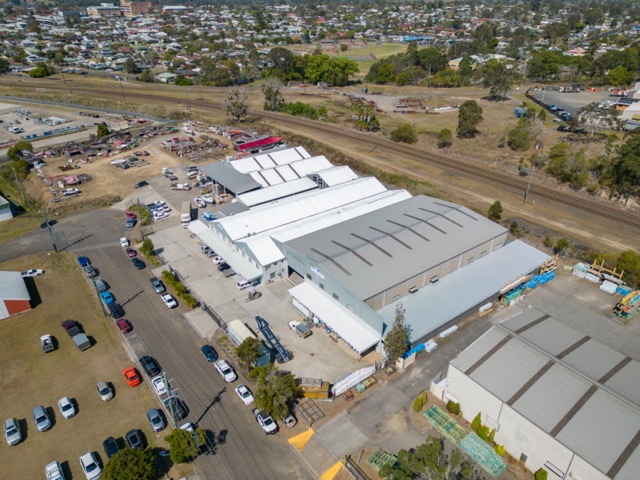
As part of the practical validation, Steber International is constructing a dedicated test hull to investigate real-world scenarios and the repairability of these materials.
This sits alongside focused materials research by UNSW, led by advanced materials expert Scientia Professor Gangadhara Prusty, and a comprehensive Life Cycle Analysis (LCA) conducted by circular economy specialists SOENECS.
“We are identifying the right bio resins and basalt fibres, available in sufficient quantities and with sufficient properties, to demonstrate a solution allowing the entire boat industry to offer more sustainable products,” according to Scientia Prof. Prusty.
“By coming up with an engineered solution, prototyping and testing it, and then having it demonstrated in an incredibly challenging environment, we’ll be producing data to show boatbuilders that sustainable composite materials are a viable option.
“The team will open source this information so that the entire industry benefits.”
In addition to this, Blair is also independently funding an Environmental Impact Study to be completed by SOENECS through her Arctic Impact Project.
“This project highlights a critical materials challenge, with millions of Glass Reinforced Plastic (GRP) vessels reaching end of life without a viable circular pathway.
The transition to alternatives such as basalt fibre and advanced bio resins offers a credible route to redesign material flows in the marine sector,” Said Prof. David Greenfield, Founder of SOENECS.
“For SOENECS, it is both an honour and an exciting opportunity to deliver detailed Life Cycle Assessment and environmental impact modelling, and to work alongside Blair, a renowned sailor and environmental advocate. This ensures decisions are grounded in robust evidence.
“This work can define a scalable circular blueprint for marine composites, shifting the industry from linear dependency to regenerative design.”
The goal is to be able to share with the industry a verified and scalable solution so we can transition to a sustainable future together.
The Arctic Impact Project: New world record putting innovation to the test
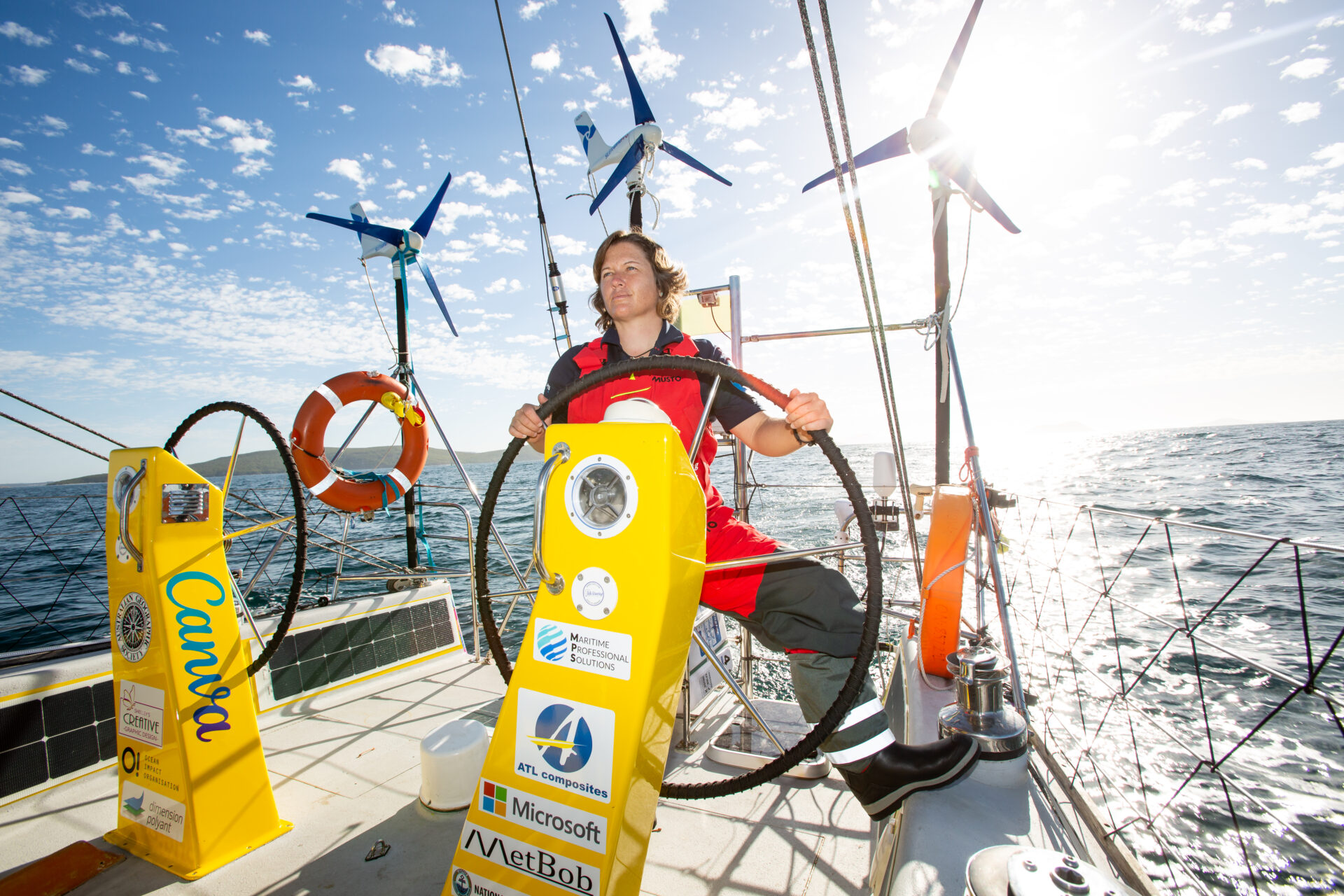
Following the initial research, Blair will also build her new expedition yacht from these sustainable materials before setting off for her next record.
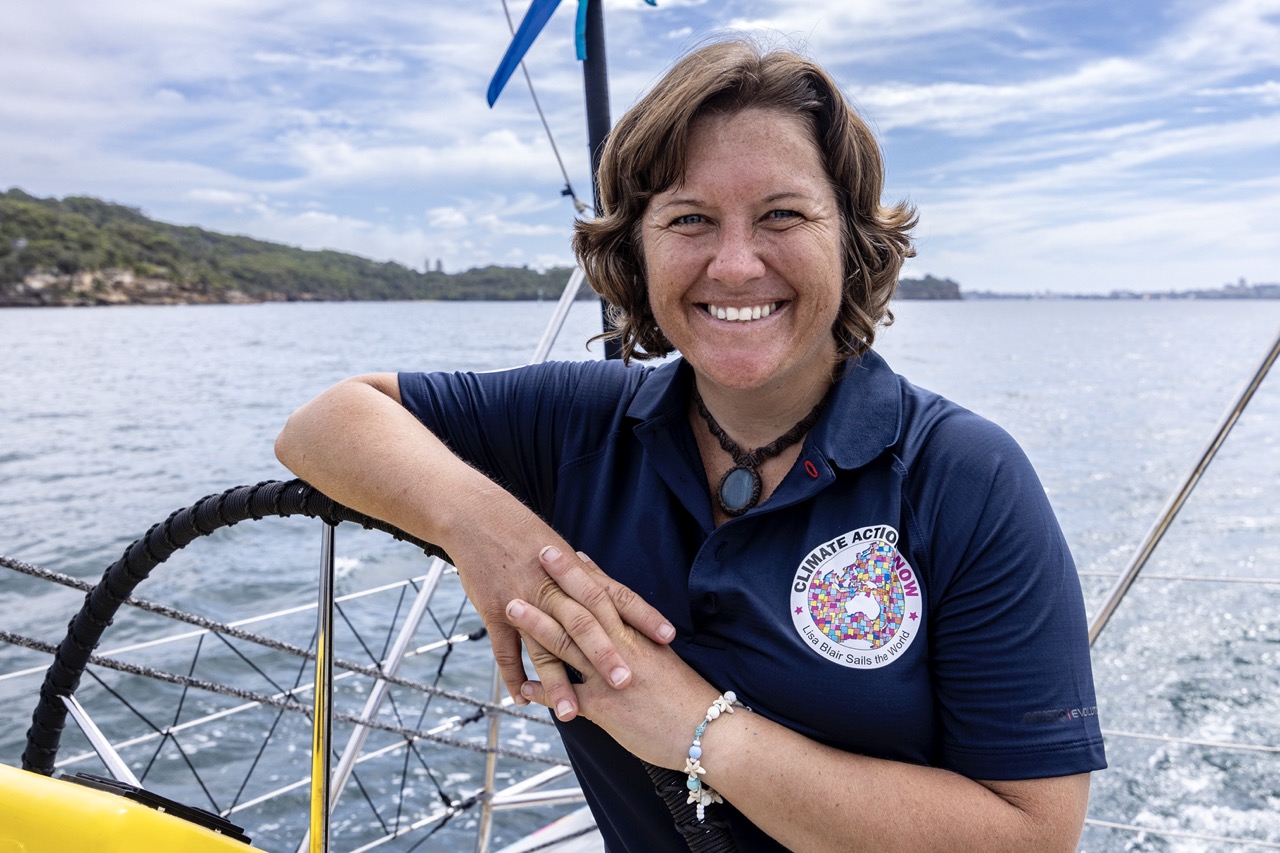
Blair is one of Australia’s modern explorers and holds the record as the fastest person to sail solo, nonstop and unassisted around Antarctica aboard her current yacht Climate Action Now, spending 92 days at sea and facing down waves the height of 5-storey buildings and cyclonic winds.
Building on this, Blair is also setting off on a new world record attempt: ‘The Arctic Impact Project’.
As part of this, she will be sailing in July 2027, aiming to become the first person to sail solo, nonstop and unassisted around the Arctic Circle in one season. The 8,000 nm journey will see Blair tackle freezing conditions, dodge icebergs and spend an estimated 3 months solo at sea.
Commenting, she said: “While climate change has opened the path for this record, my focus is on the solutions we can create together.
“This project is a multi-layered mission: driving innovation through our sustainable composite research, empowering communities via a global schools program and ‘Climate Action Now’ events, and advancing science by documenting the health of our remote oceans.
“By building my vessel from basalt fibre, I’m showing that adventure can, and must, be a vehicle for change.”
Ensuring a commercially viable transition
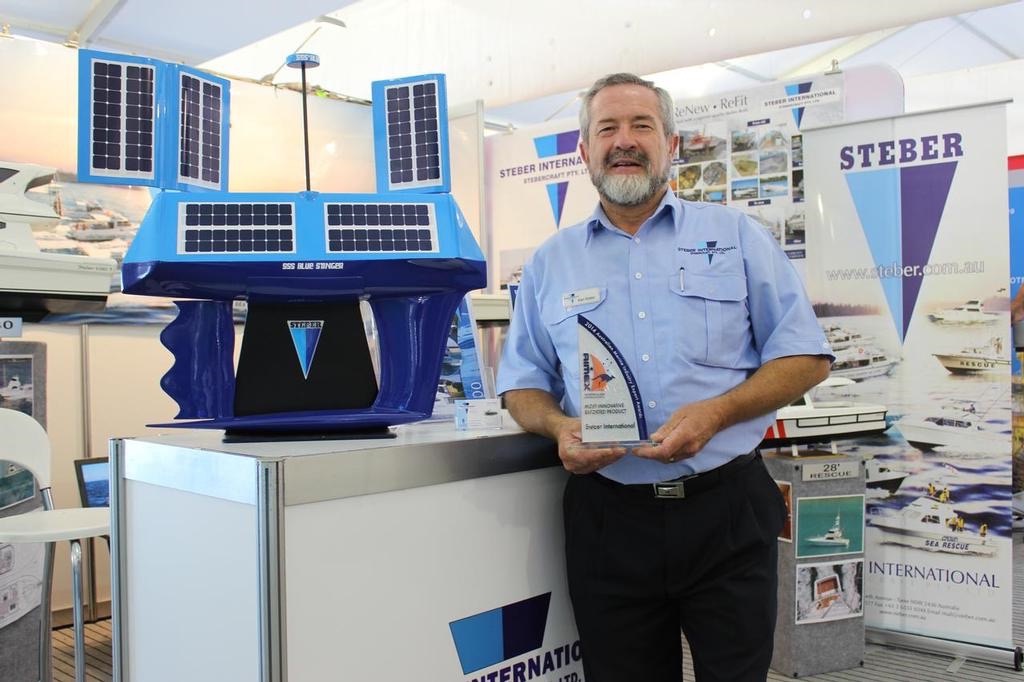
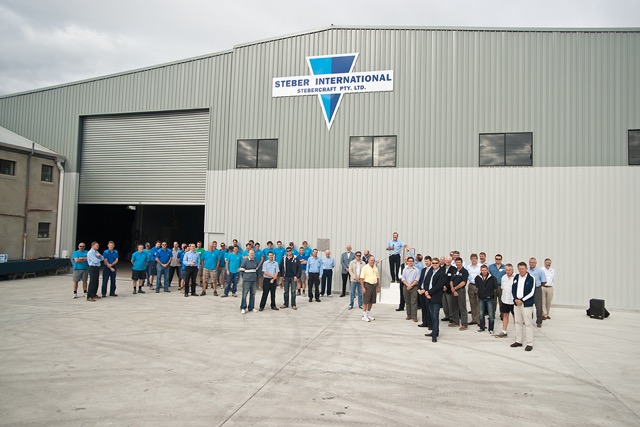
For industry leaders like Alan Steber, the focus is on a seamless transition. By finding a material that requires minimal changes to existing factory workflows, the partnership is ensuring that the next generation of Australian-built boats is as commercially viable as it is environmentally responsible.
Steber International is already paving the way towards sustainability in the marine market with their ‘Re Use, Re New, Re Fit’ program, a sustainable approach to vessel refurbishment and repowering, and encourages developments such as electric hybrid power systems.
“Steber International is excited about being involved in the Advanced Sustainable Marine Composites project,” said Steber, MD at Steber International.
“My father, Bruce Steber, was involved with testing Resins and Gelcoats in 1958-1962. He applied experimental resins, gelcoats and other FRP products from Monsanto, Ferro corporation, and ANZOL paints into various moulds, producing small runabouts. Feedback was given to the supplier laboratories from real factory floor conditions. I am proud of our past input supporting the industry, especially where it has advanced to today.
Steber added, “We are currently building Recreational, commercial, and Defence vessels and hopefully one day we will see a complete, sustainable, reliable, affordable, and safe composite material for all industries, hence I put my hand up to be part of the team.”
A positive step, this research partnership marks a new era for Australian sovereign capability, providing the “Circular Blueprint” that the global marine industry has been waiting for.
-

Advertisement
-

Advertisement
-
Advertisement
