

Electric efficiency
Team Malizia’s new IMOCA Malizia 4 has launched with a second Molabo hybrid-electric propulsion and energy system, extending a technical partnership focused on offshore efficiency, weight placement and reduced fossil fuel use.
Photography by Team Malizia
08 July 2026
Advertisement
Team Malizia’s new IMOCA Malizia 4 has launched with a second Molabo hybrid-electric propulsion and energy system, targeting efficiency, weight placement and future Vendée Globe fuel limits.
The new installation builds on the system previously fitted aboard Malizia – Seaexplorer, giving the team real-world experience to inform the design of its next-generation IMOCA campaign.
For modern offshore racing teams, energy management has become a critical performance factor. IMOCA yachts depend on autopilots, navigation systems, communications, sensors, onboard computing, safety equipment and media systems while racing for weeks or months in some of the world’s most demanding conditions.

Advertisement
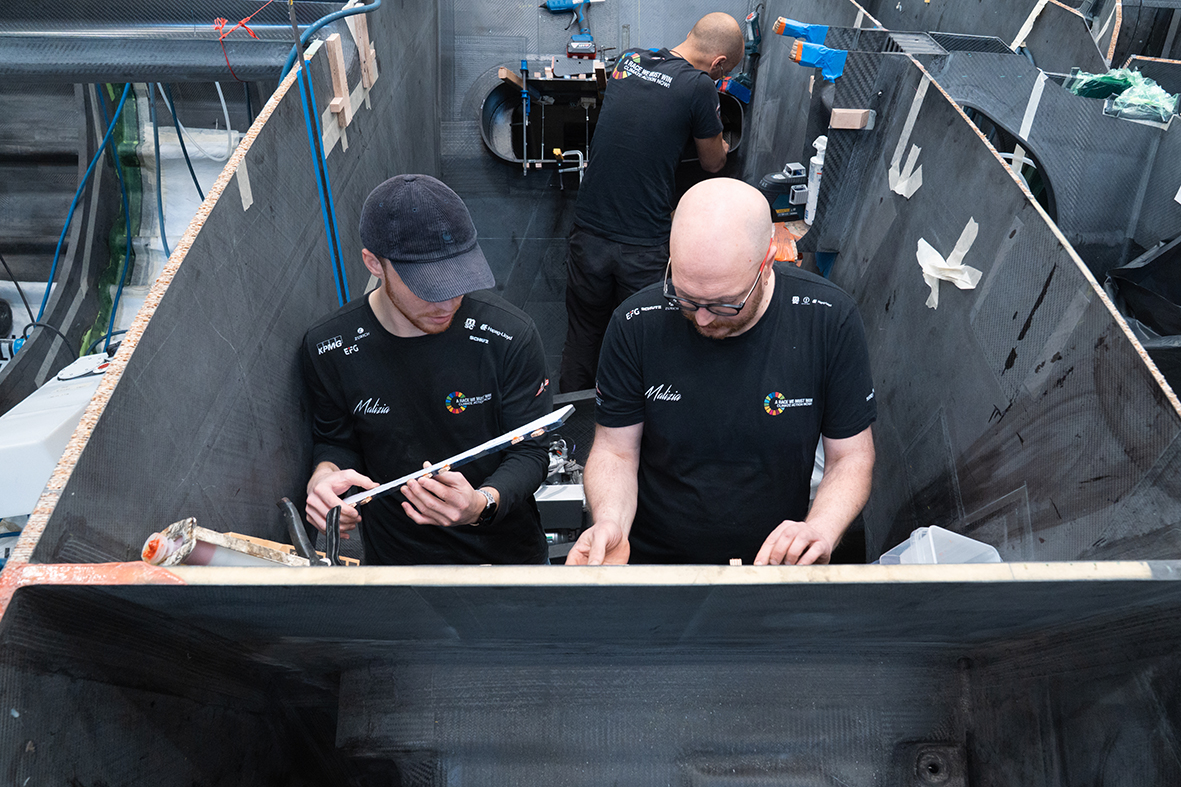
According to Team Malizia technical consultant Jesse Rowse, the priorities for Malizia 4 were clear.
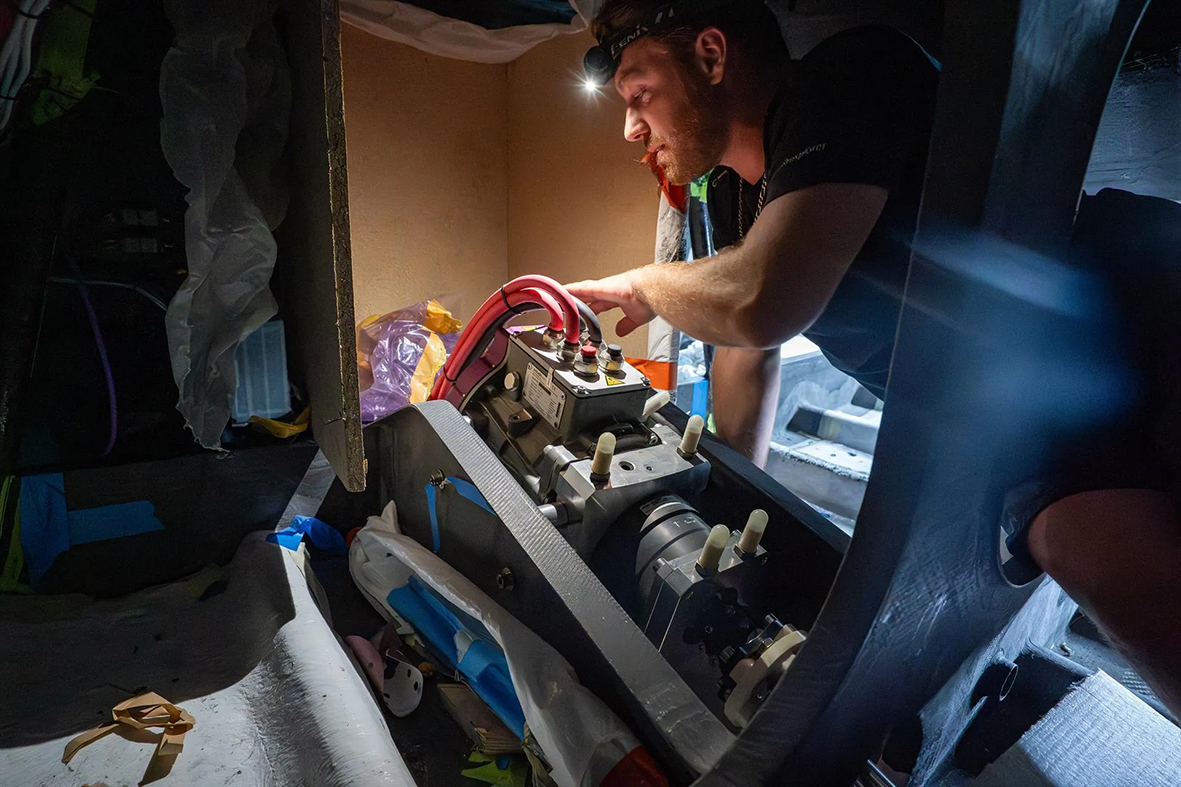
“For the next generation, the two biggest priorities were weight and maximum efficiency,” said Rowse. “The Molabo motor that makes the whole hybrid package possible is so small and compact, it gives us much more flexibility in the overall system architecture.”
The first Molabo hybrid installation gave the team a clearer understanding of how the system would perform offshore. For the new yacht, that knowledge allowed the integration to be considered from the start, rather than adapted around an existing diesel-engine layout.
“The system itself is quite similar, but the physical layout is very different,” Rowse explained. “On the previous boat, everything had to go where the diesel engine had been. This time, because we already knew the system worked, we could optimise the layout from the start.”
Team Malizia estimates the new hybrid installation can deliver significantly more usable energy from the same amount of fuel compared with a conventional diesel system. That efficiency is becoming increasingly important as the IMOCA class and race organisers impose stricter limits on fossil fuel use.
Rowse said future Vendée Globe competitors will be limited to 60 litres of fuel, compared with the much larger quantities historically carried by IMOCA teams.
With the new rule, everyone can carry the same amount of fuel, but with this system we can get roughly twice as much energy from those 60 litres,” said Rowse. “That is a big difference.
“Without a highly efficient system, teams will have to make compromises elsewhere, whether that means reducing communications, using hydrogenerators more often, or adding more solar panels and weight.”
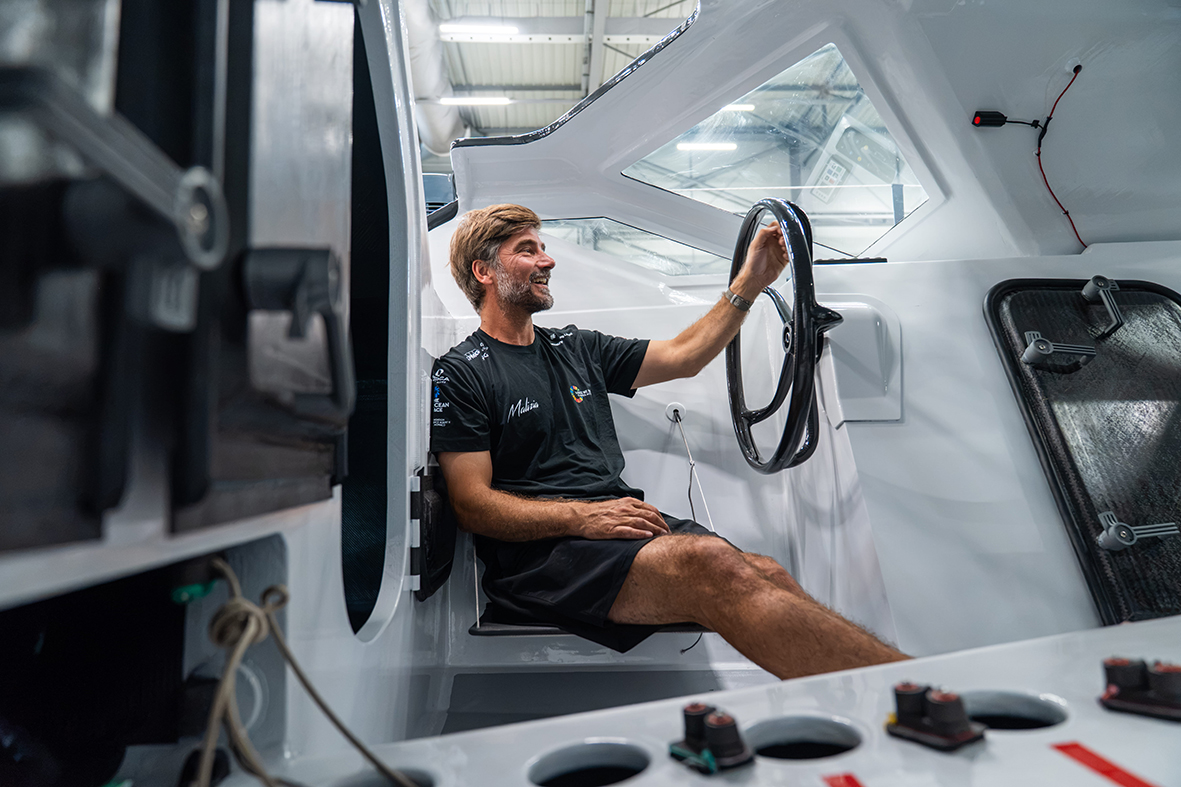
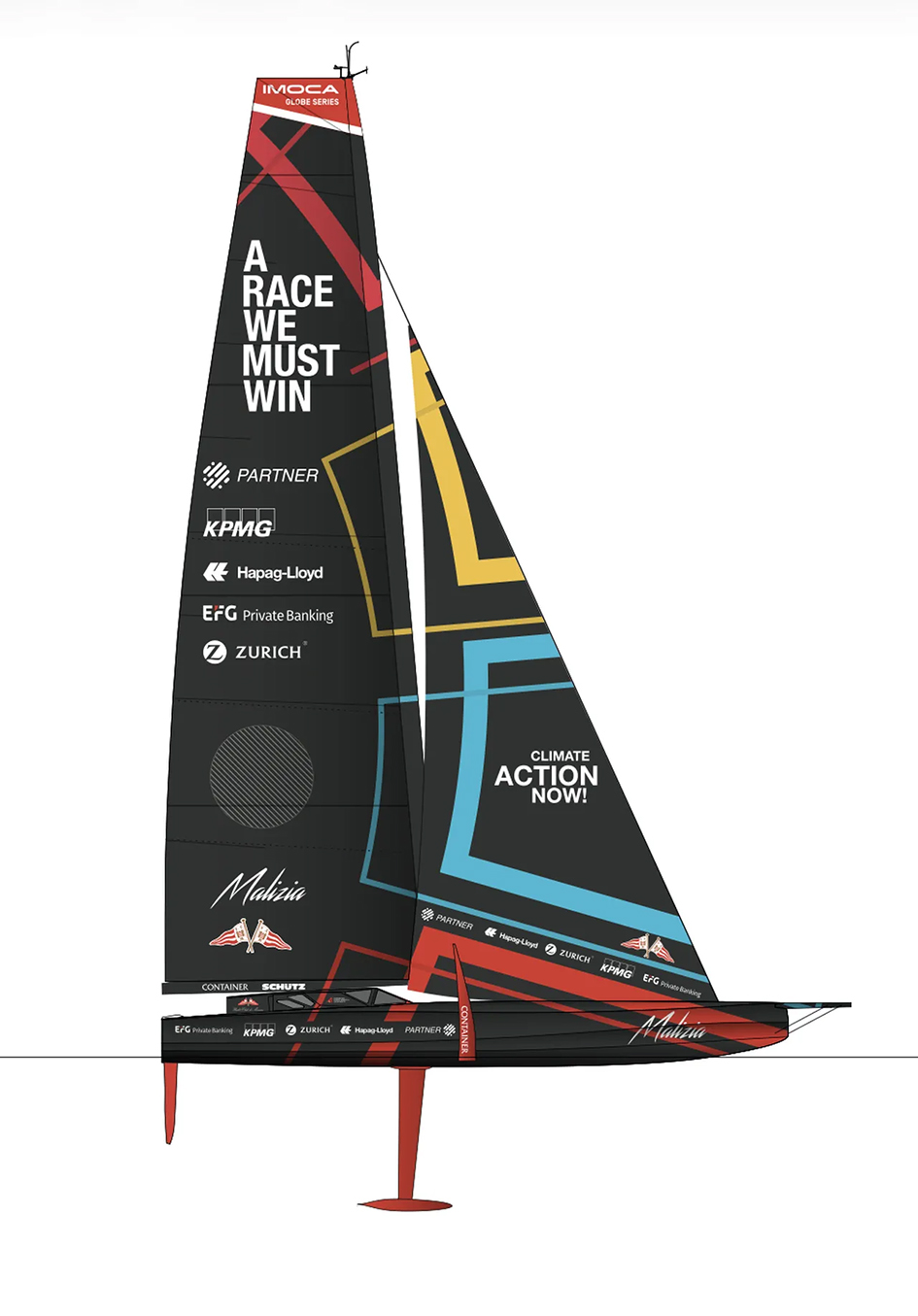
The hybrid package also gives designers greater freedom when placing weight within the boat, an important consideration in the highly optimised IMOCA fleet.
“The hybrid system gives gains in weight placement, gains in efficiency and many smaller gains in terms of the ergonomics and architecture of the boat,” said Rowse. “For me, it is absolutely worth it, especially on an offshore boat.”
Reliability was another key lesson from Team Malizia’s first Molabo installation.
“We never had a problem with the Molabo motor,” said Rowse. “The motor always did what it was supposed to do.
The first system was partly about proving that it would work. Now we can be much more confident. We know the motor is reliable, we know the system works, and that allows us to optimise the whole design around it.”
While hybrid systems remain more expensive than conventional diesel installations, Rowse believes the performance and design advantages justify the investment.
“I would choose the hybrid system over a diesel system every day,” he said. “It gives you flexibility, efficiency and advantages in how you design the boat.”
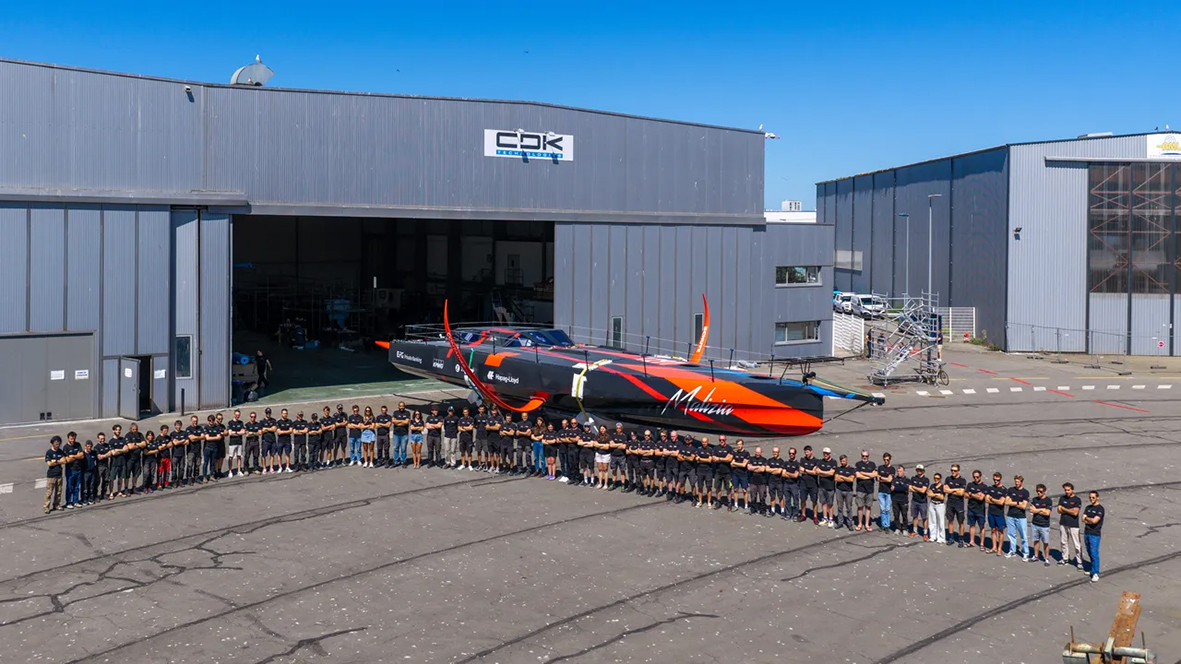
Rowse said interest is growing across the IMOCA fleet as technical teams assess the potential advantages of hybrid propulsion and energy systems.
“The technical teams are very interested,” said Rowse. “On paper, they can see that it is better. I think as more boats use systems like this, confidence will grow.”
He also sees broader applications beyond offshore racing, describing hybrid systems as a practical bridge between conventional diesel propulsion and fully electric operation.
The hybrid concept makes sense beyond race boats,” said Rowse. “You get the good parts of electric propulsion, but you keep the ability to generate power when you need it.
“You can leave the dock silently on battery power, but if the wind disappears and you need to motor for several hours, you still have that capability.”
Molabo said the continued partnership with Team Malizia is helping advance marine electrification in a high-performance environment.
“We’ve learned a lot from our continued partnership with Team Malizia,” said Adrian Patzak, chief operating officer at Molabo GmbH.
“The confidence and knowledge gained from the first system allowed the design team to improve layout, efficiency, and ultimately sailing performance in their new yacht. That is exactly how advanced marine electrification should evolve.”
-
Advertisement
-

Advertisement
-
Advertisement
